The Microchimerism,
Human Health &
Evolution Project
The project aims to cultivate and revitalize the microchimerism community.
Dear colleagues
A Look Back
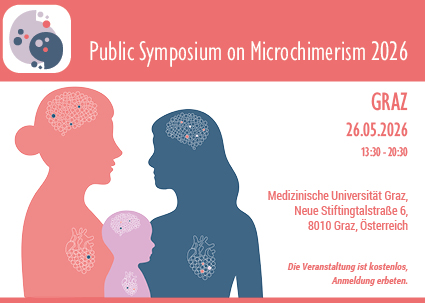
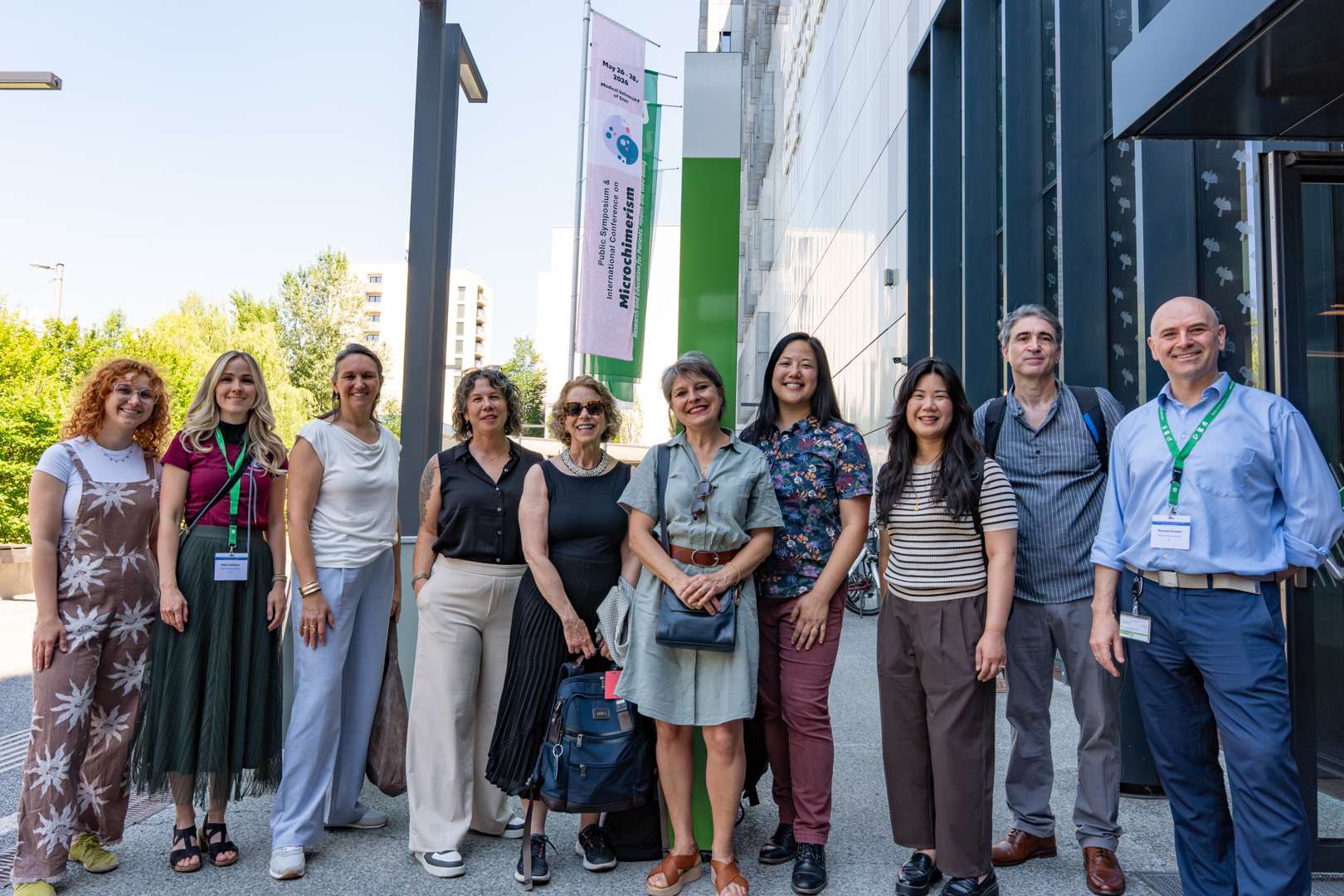
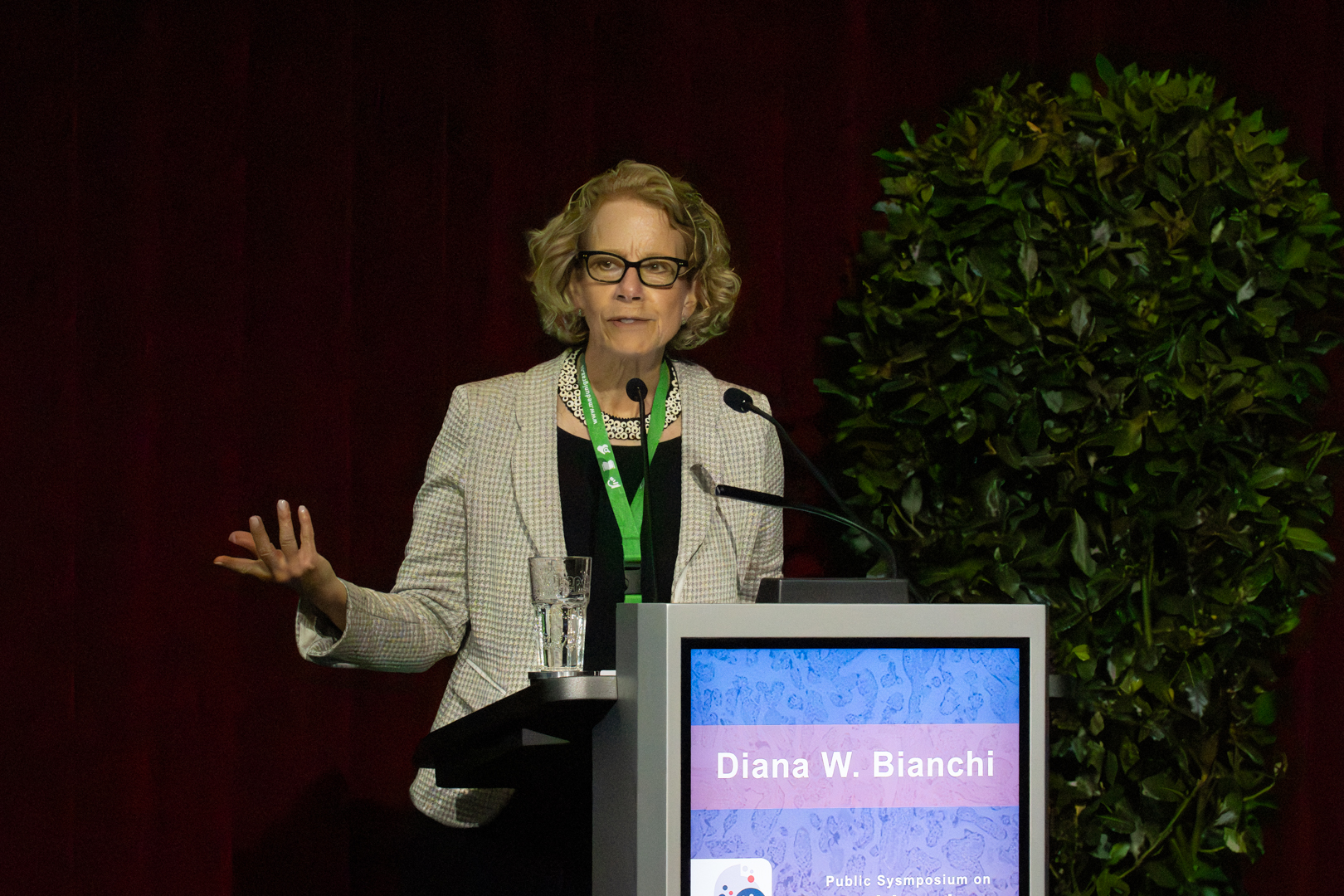
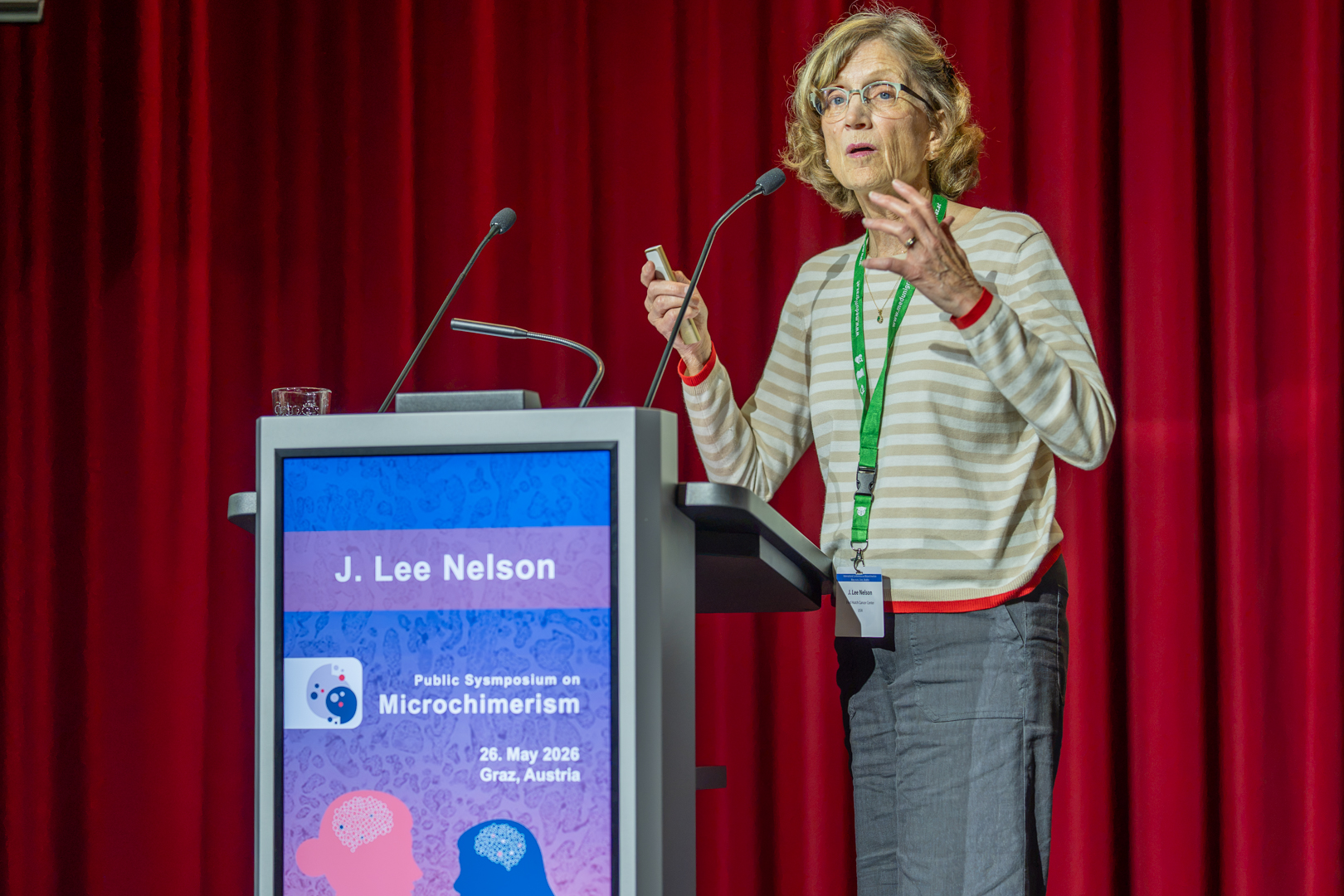
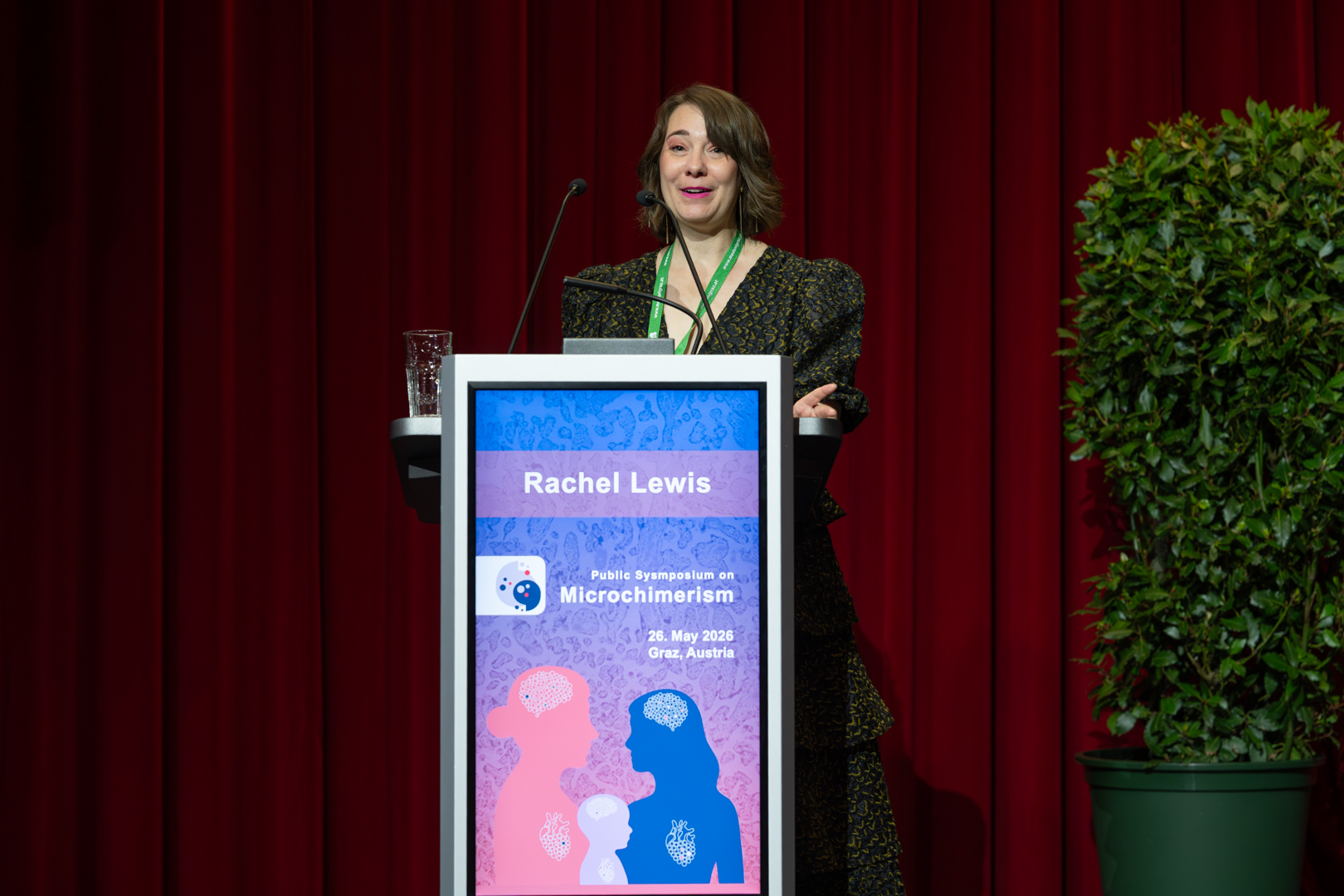
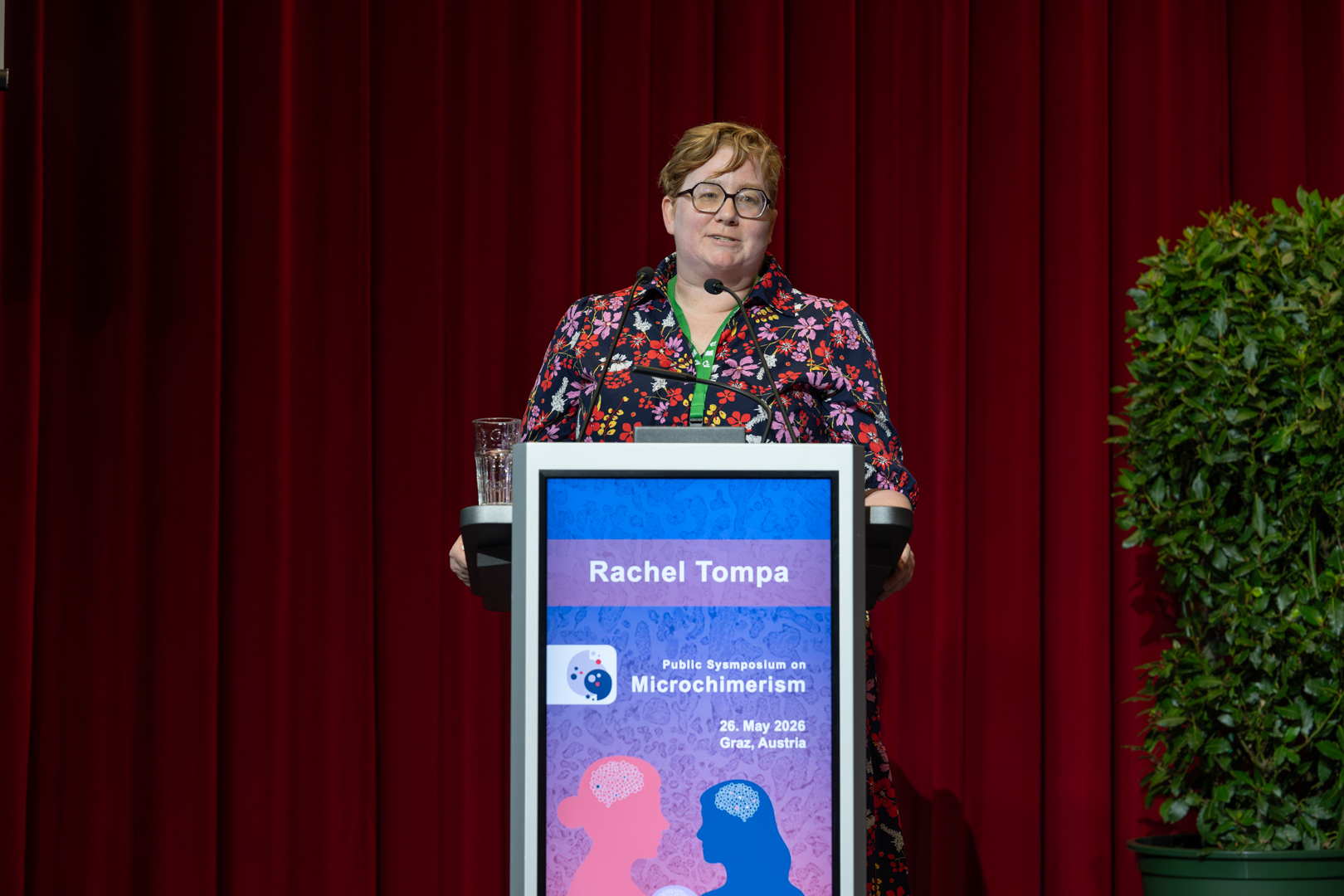
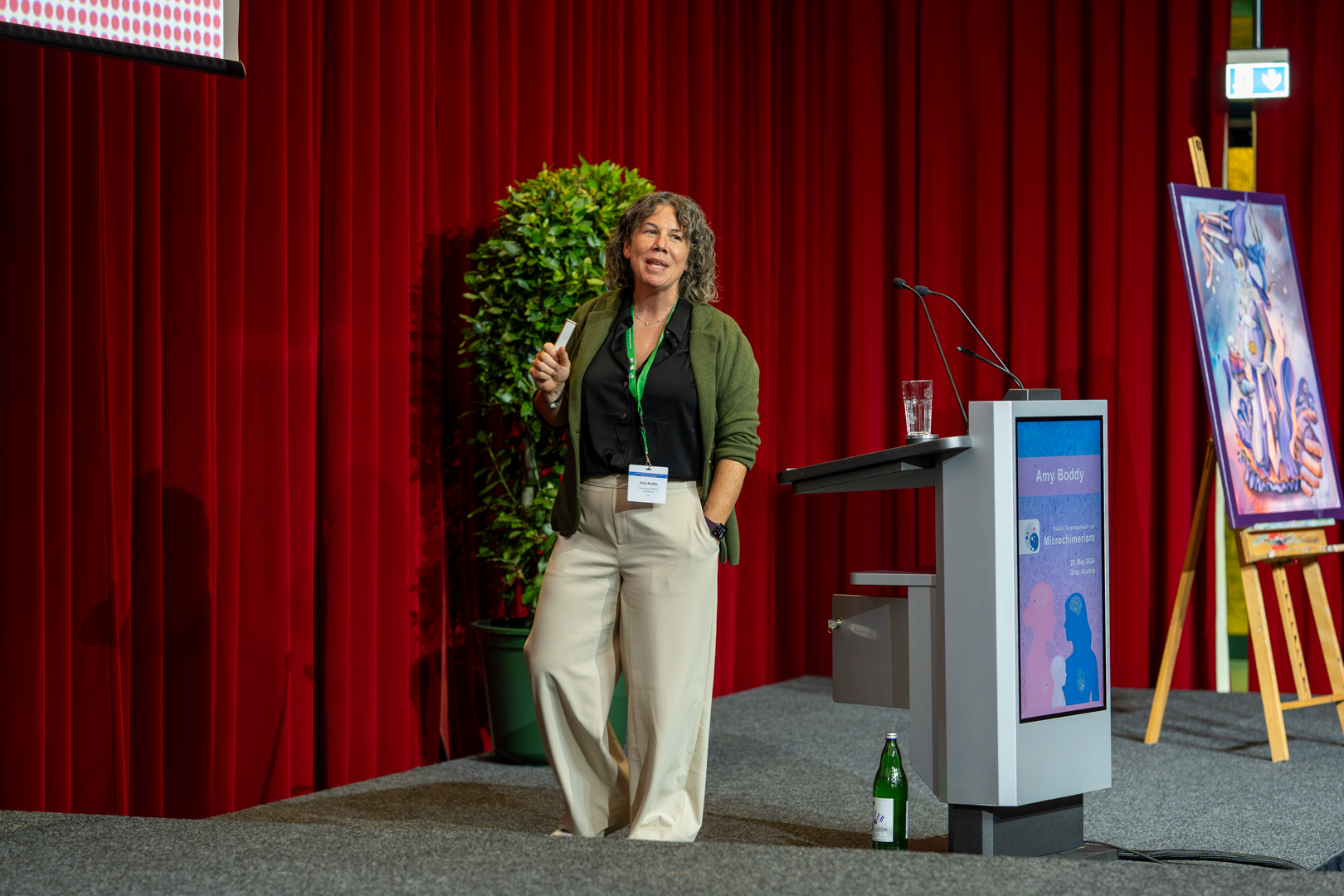
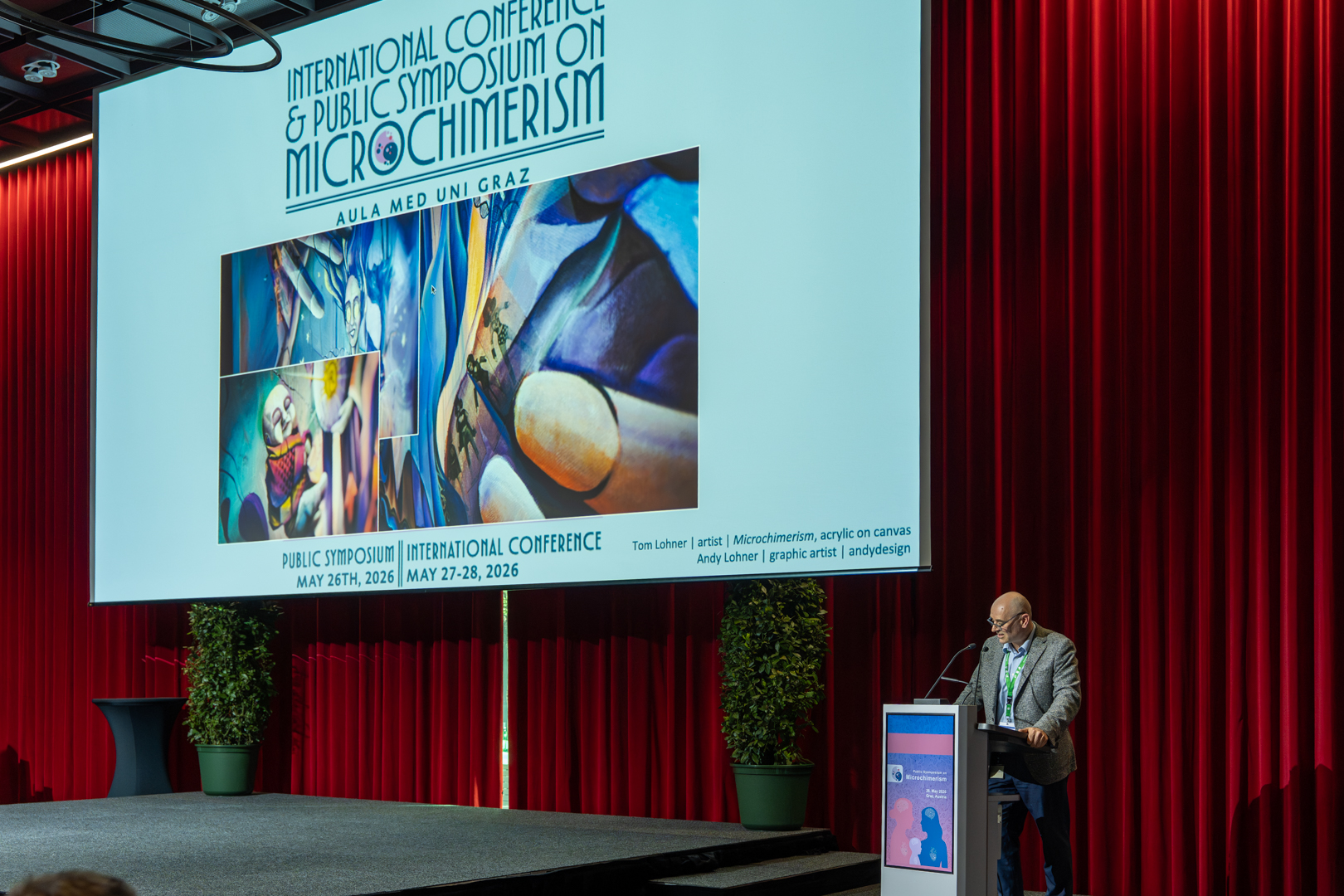
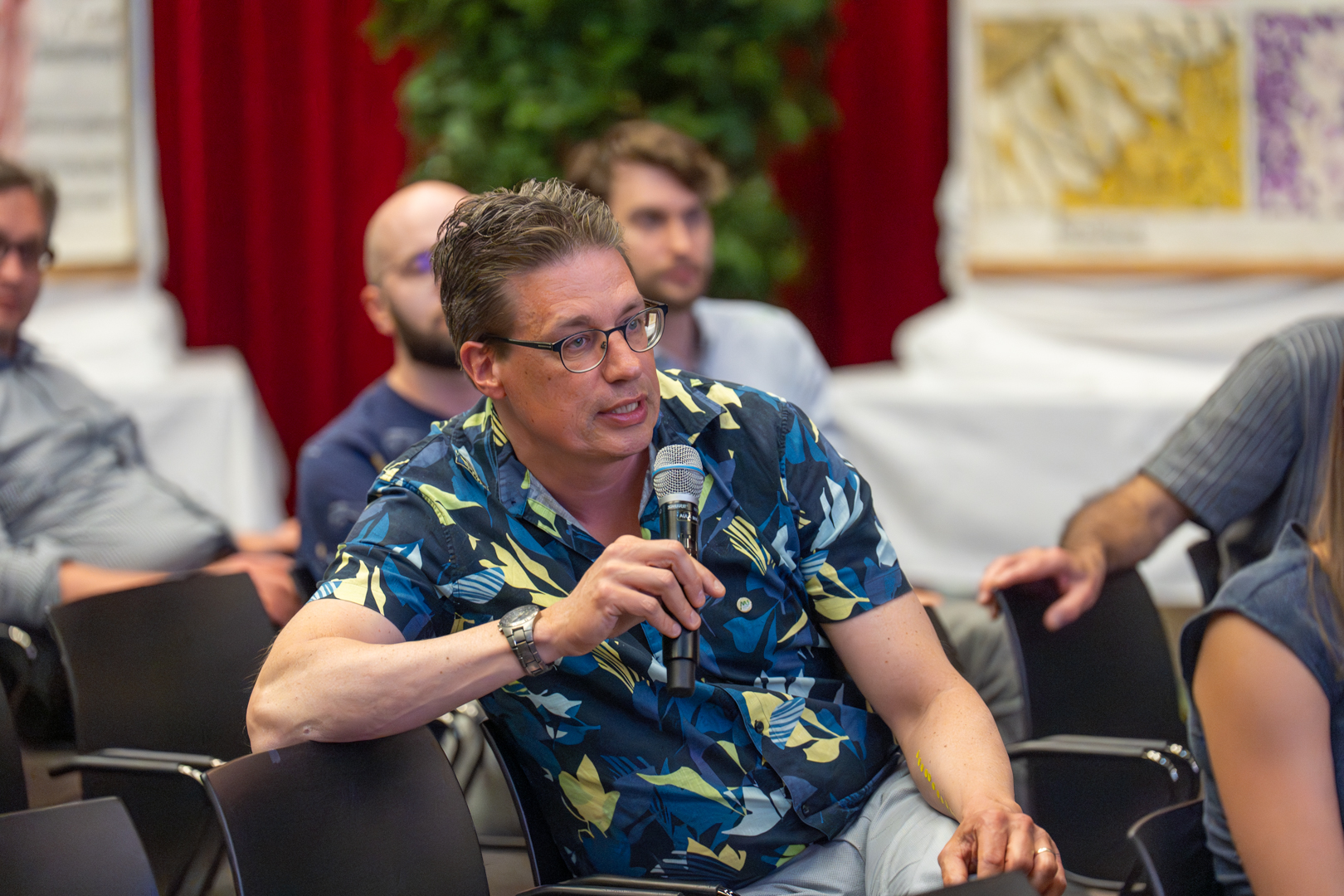
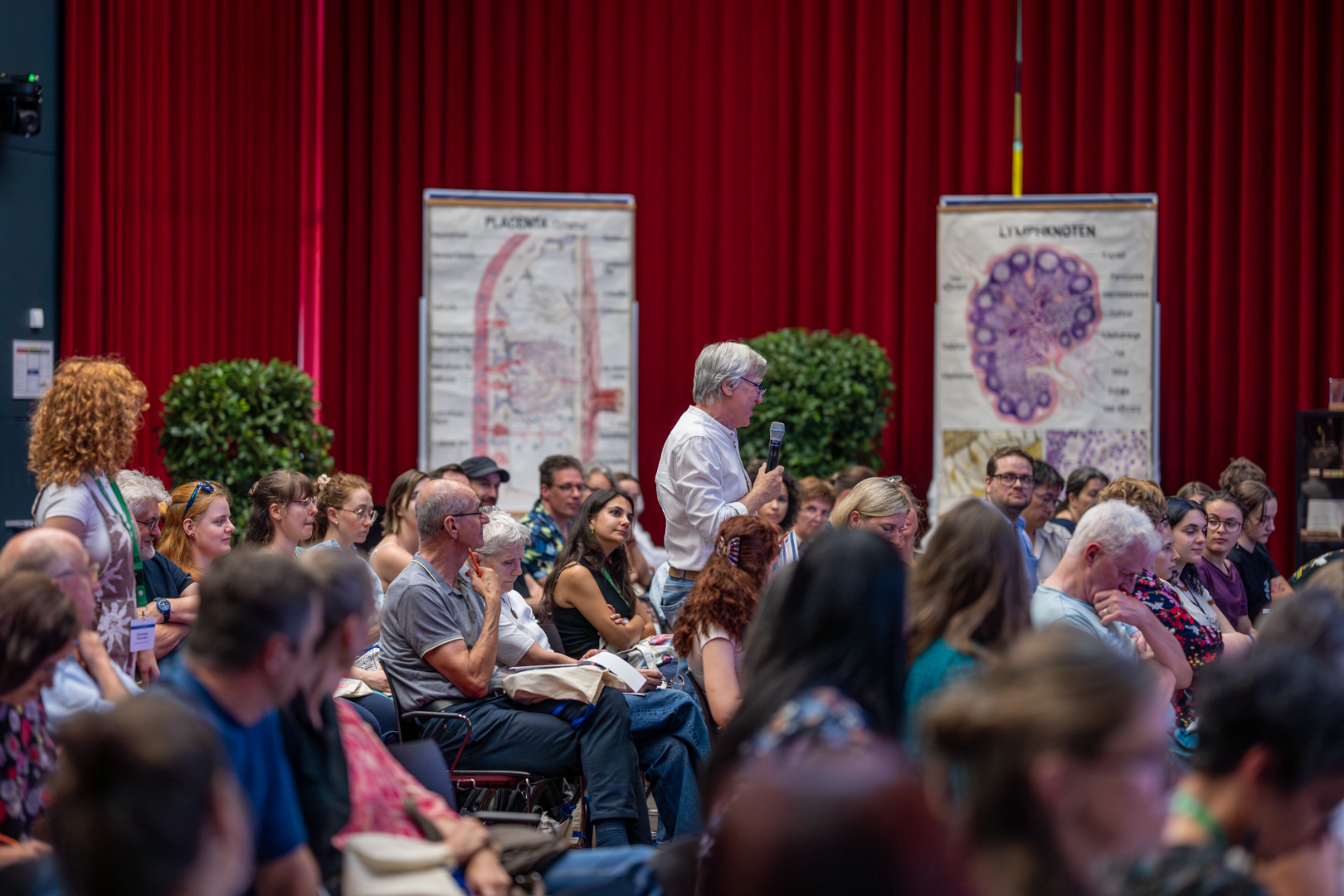
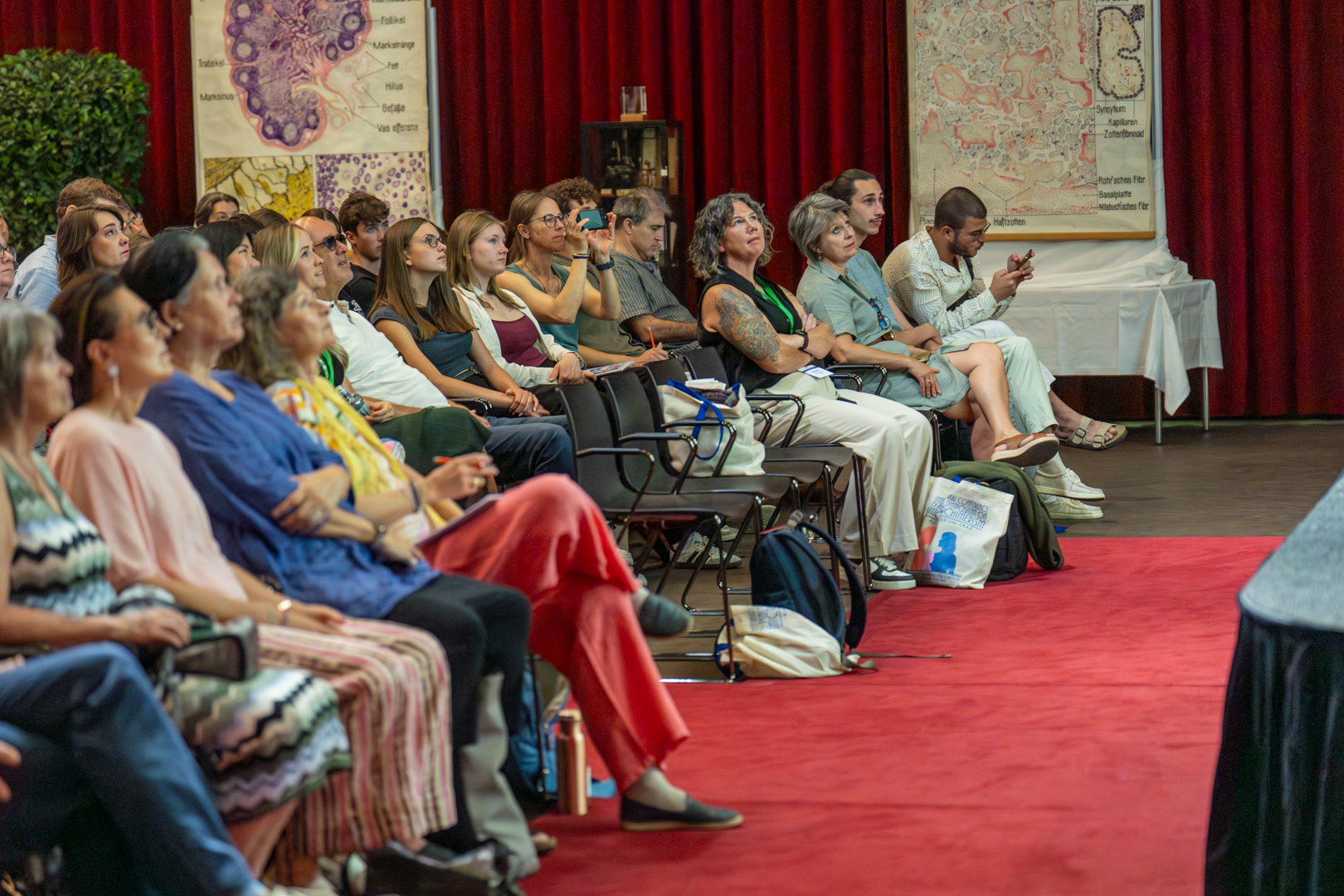
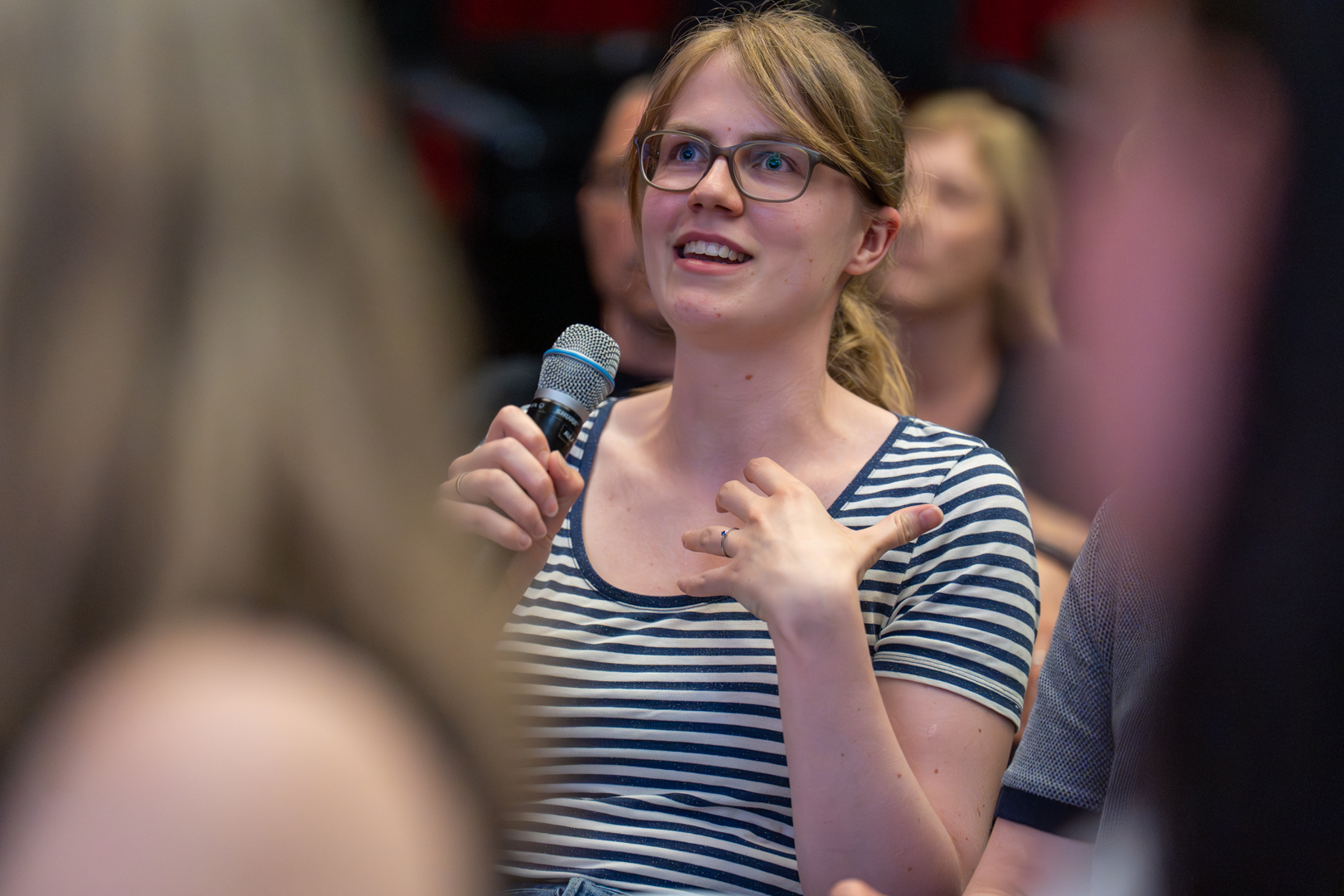
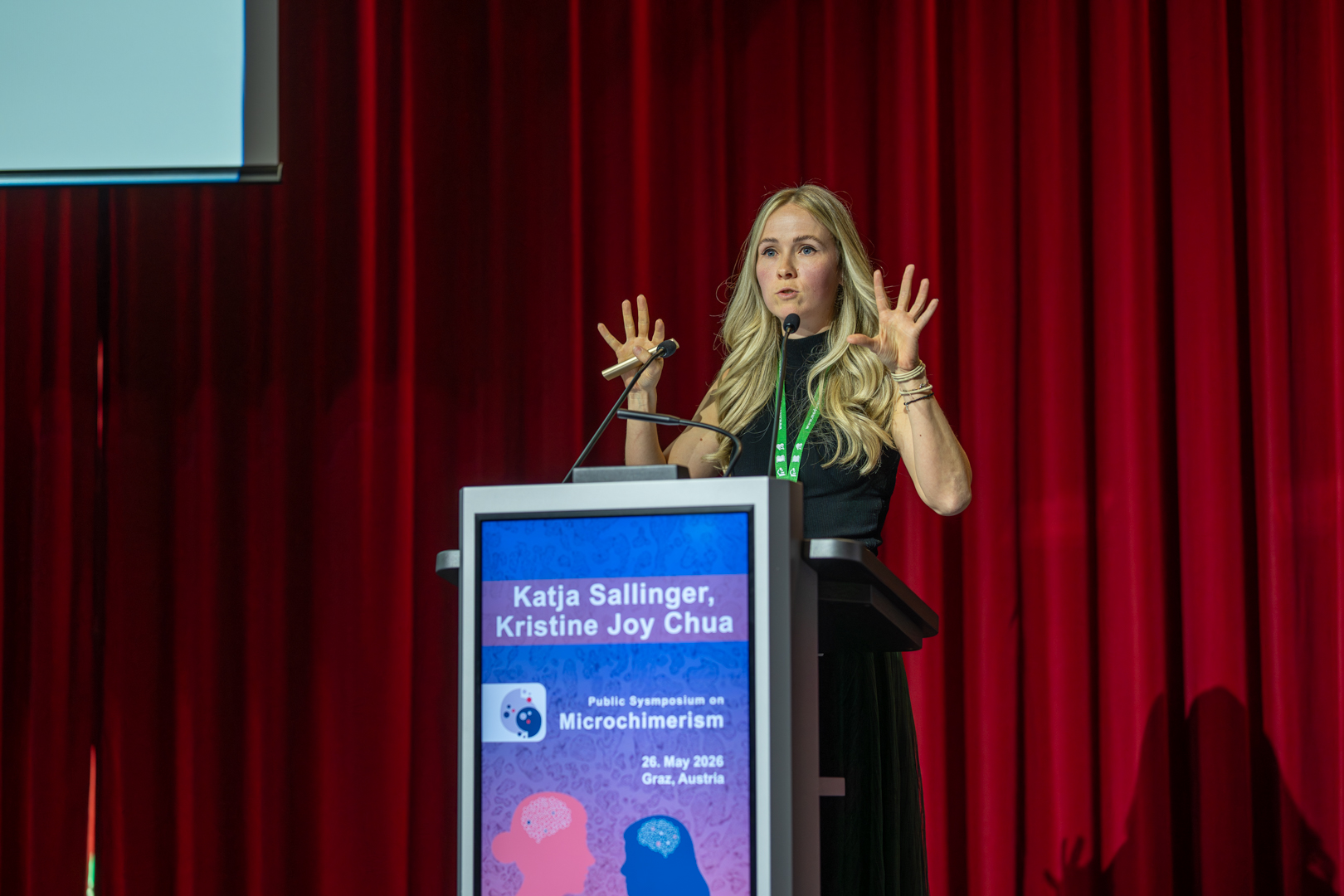
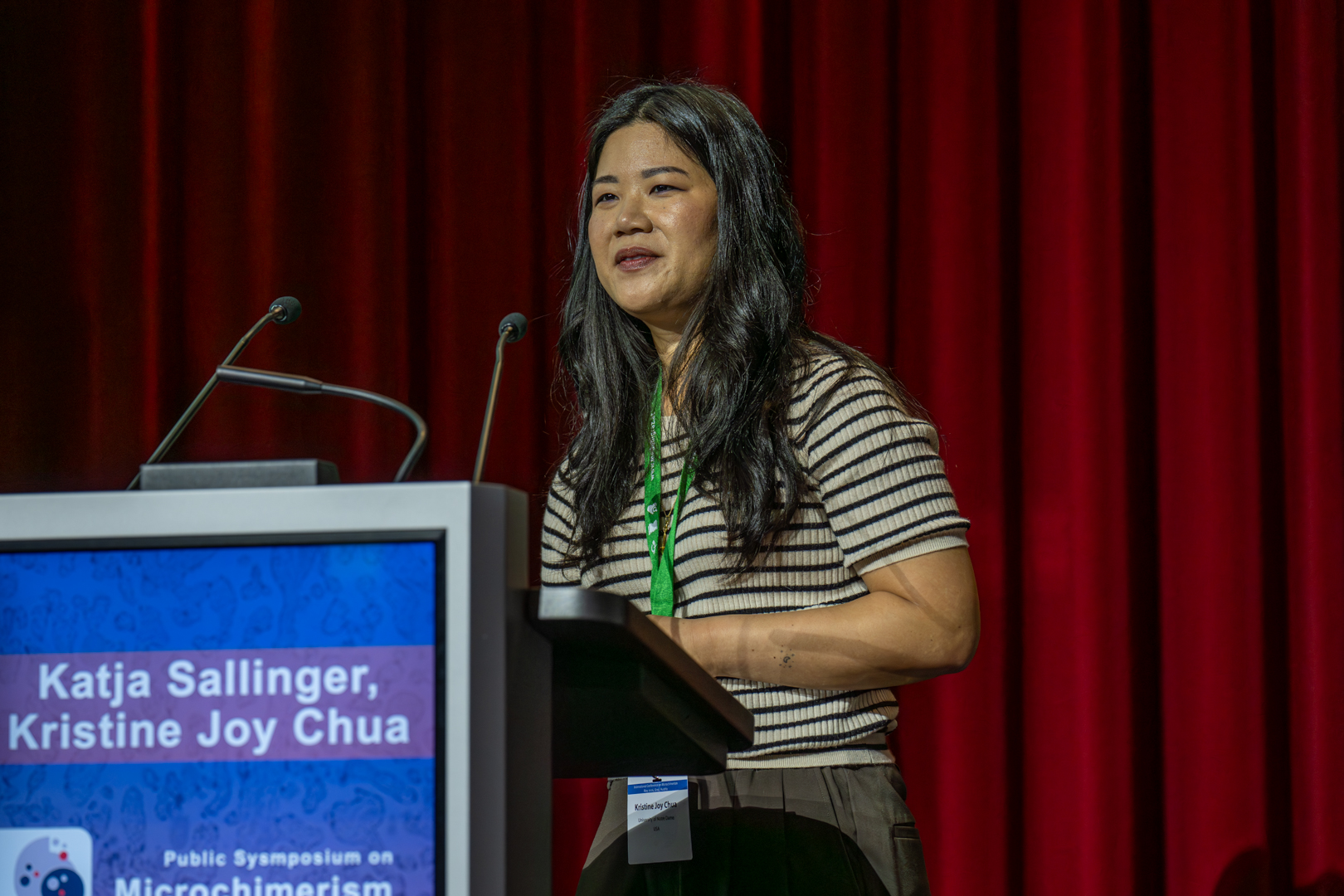
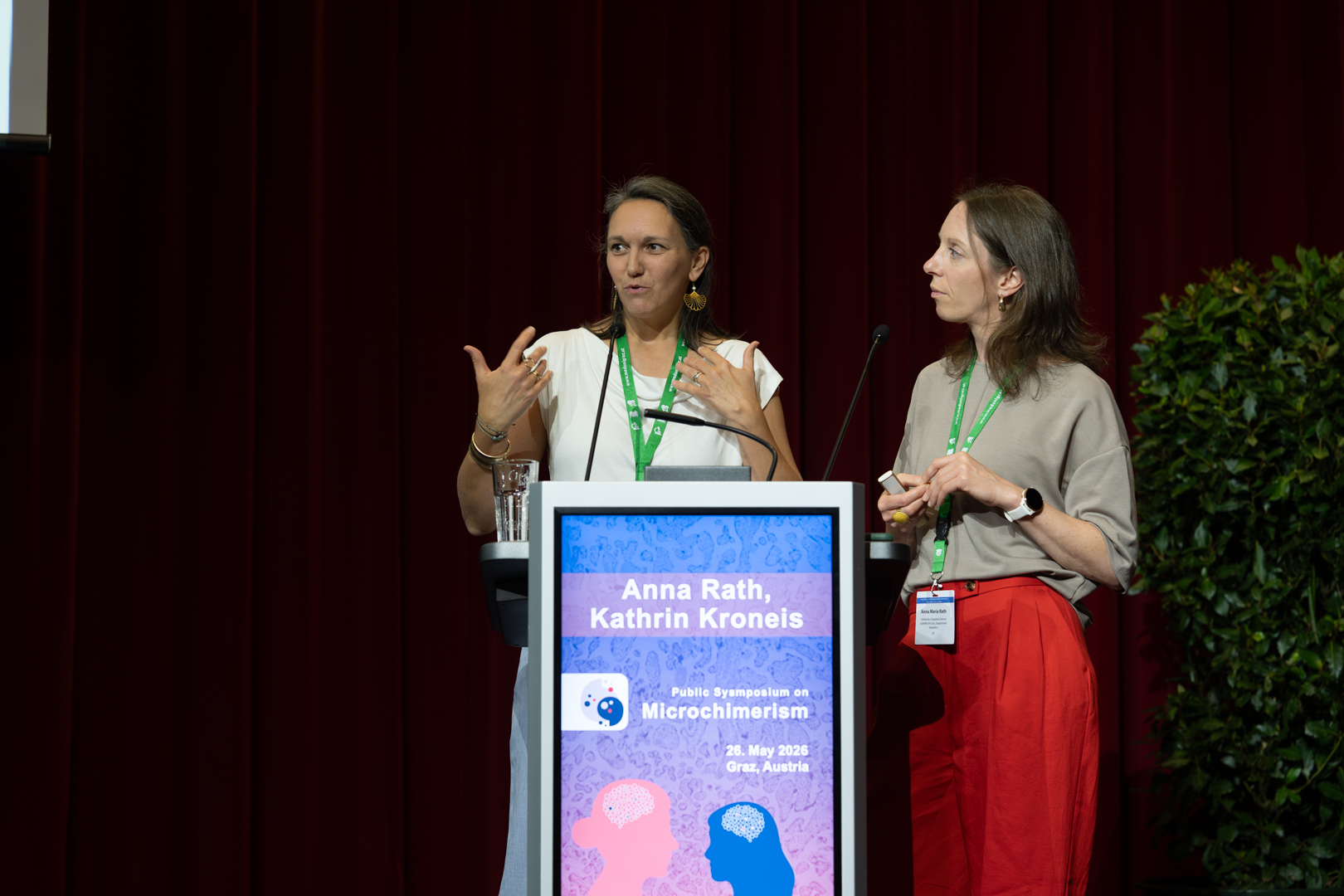
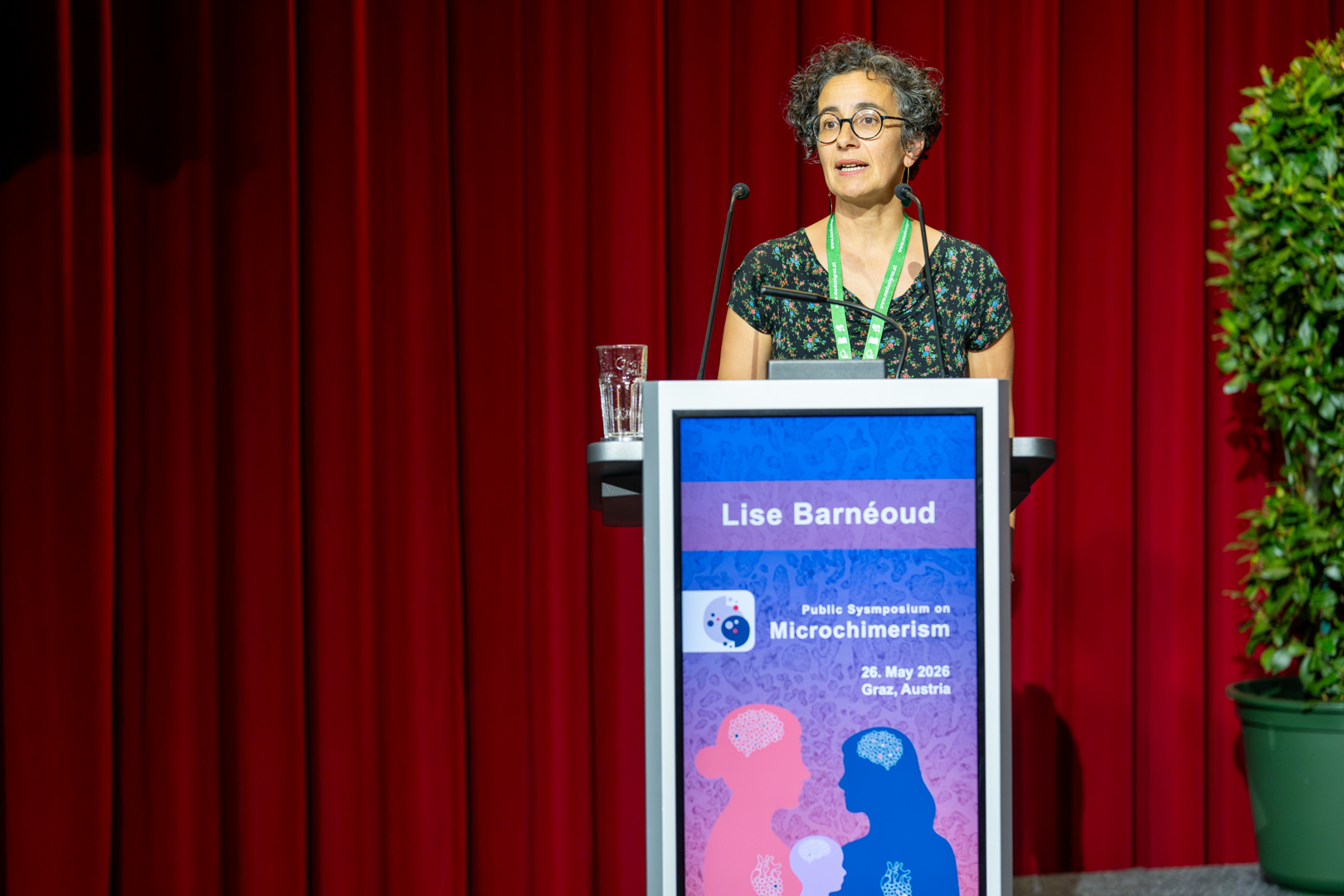
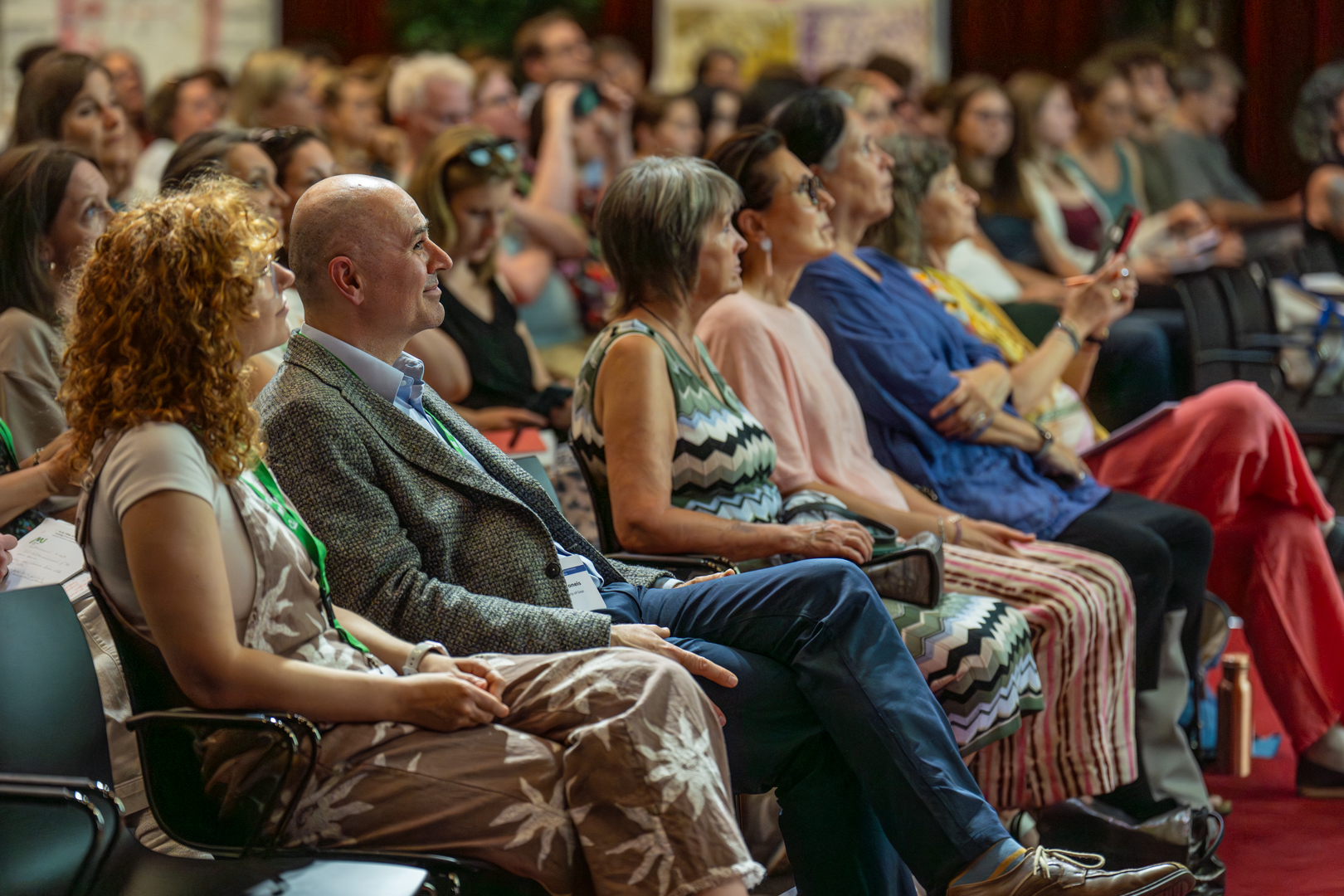
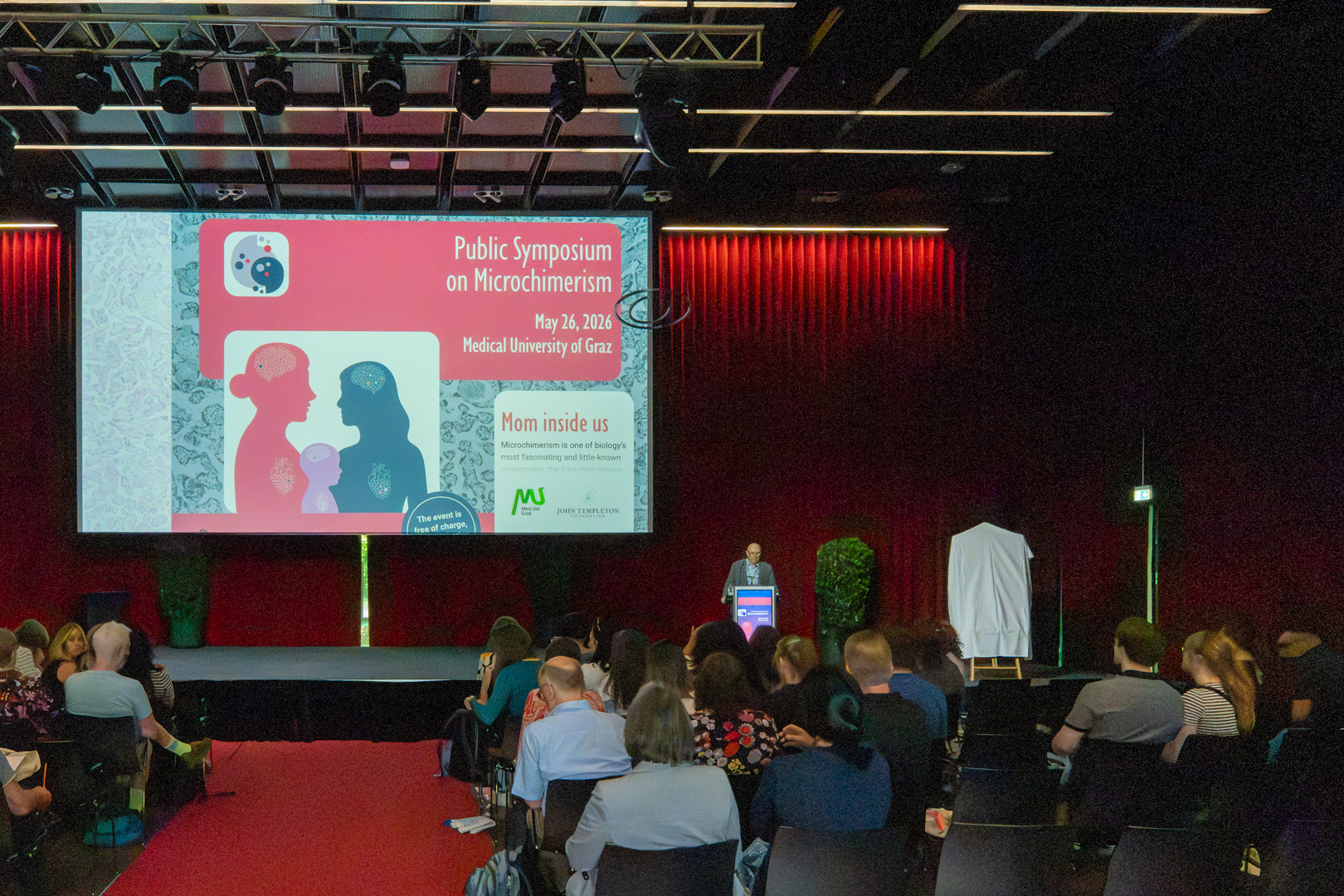
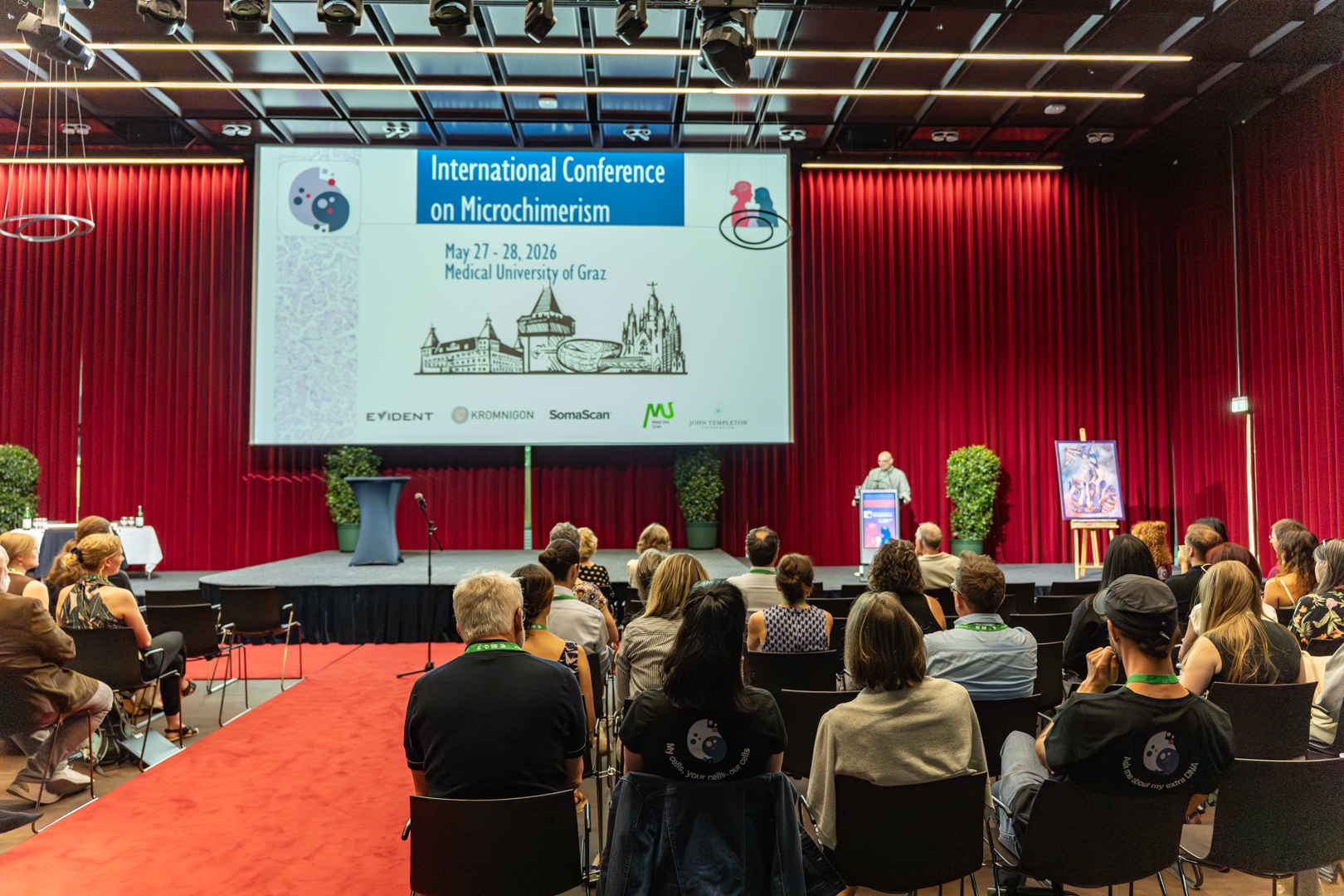
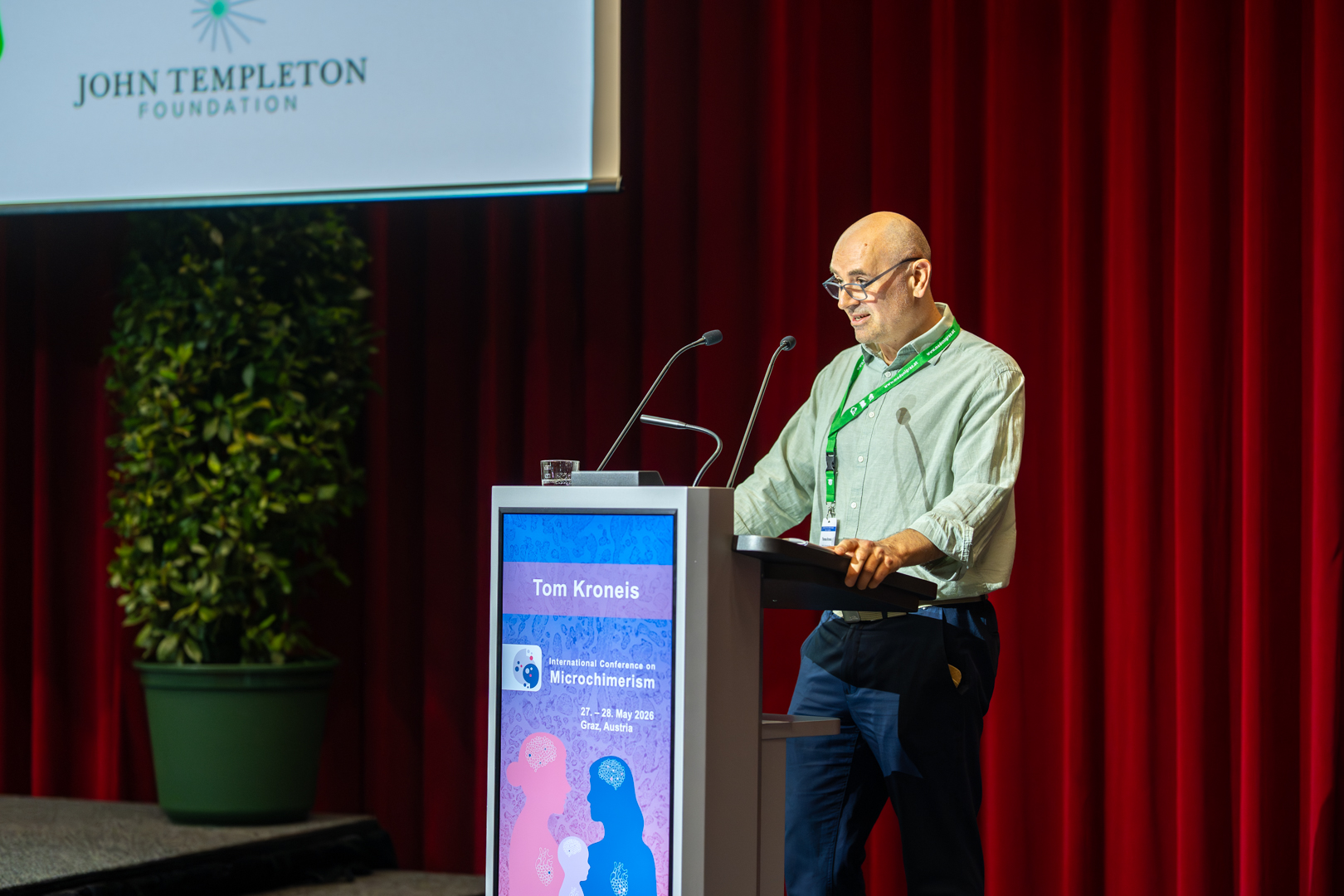
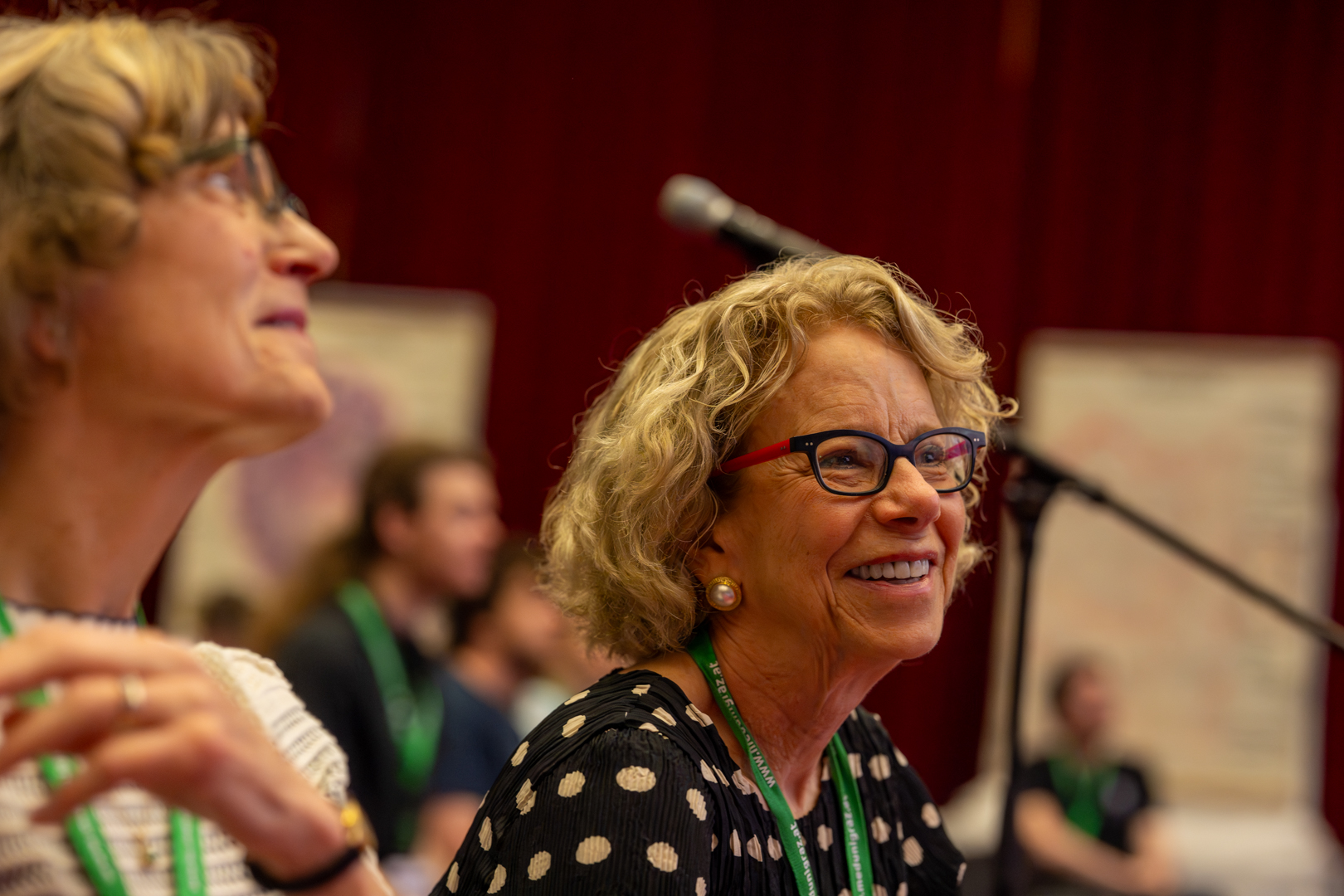
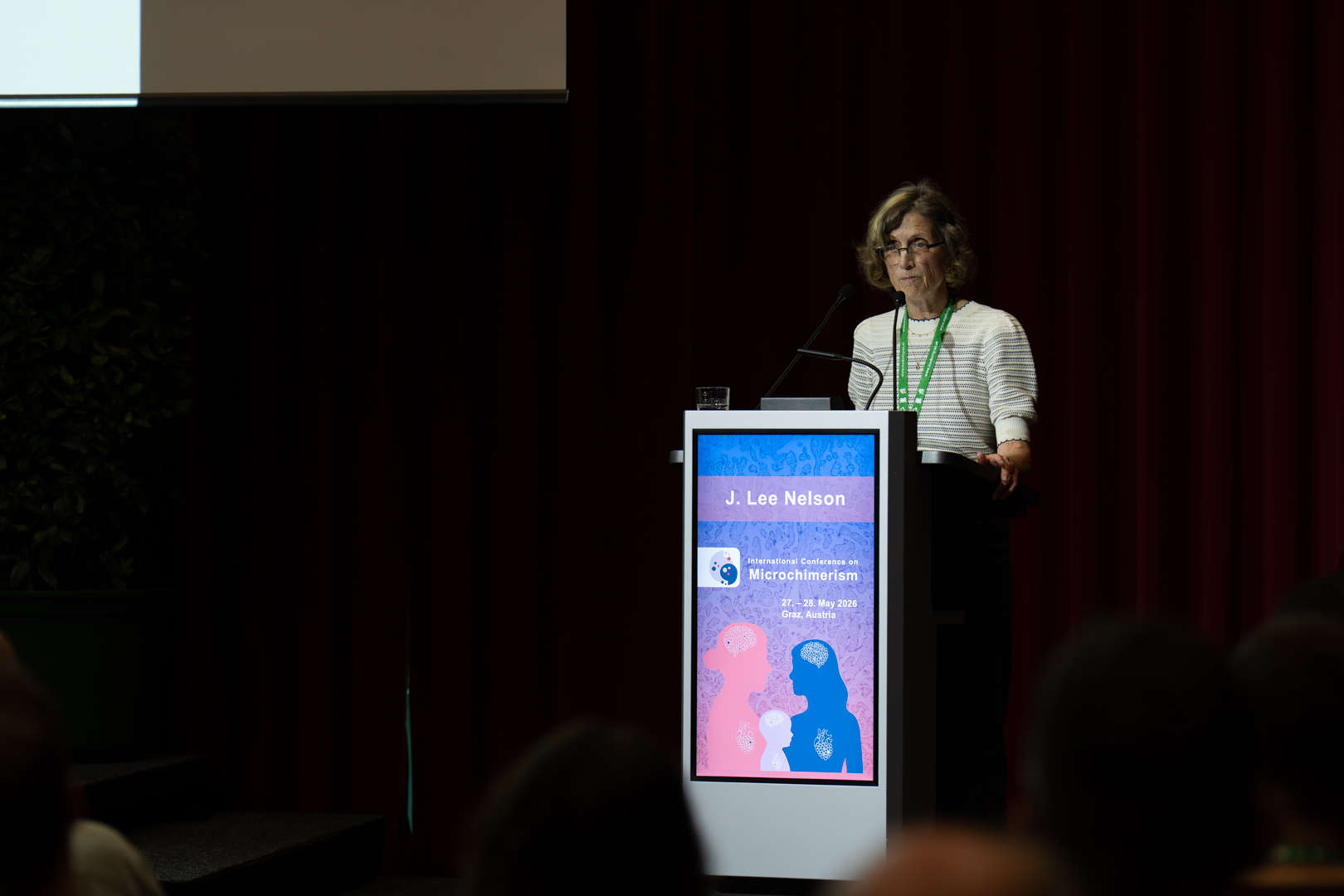
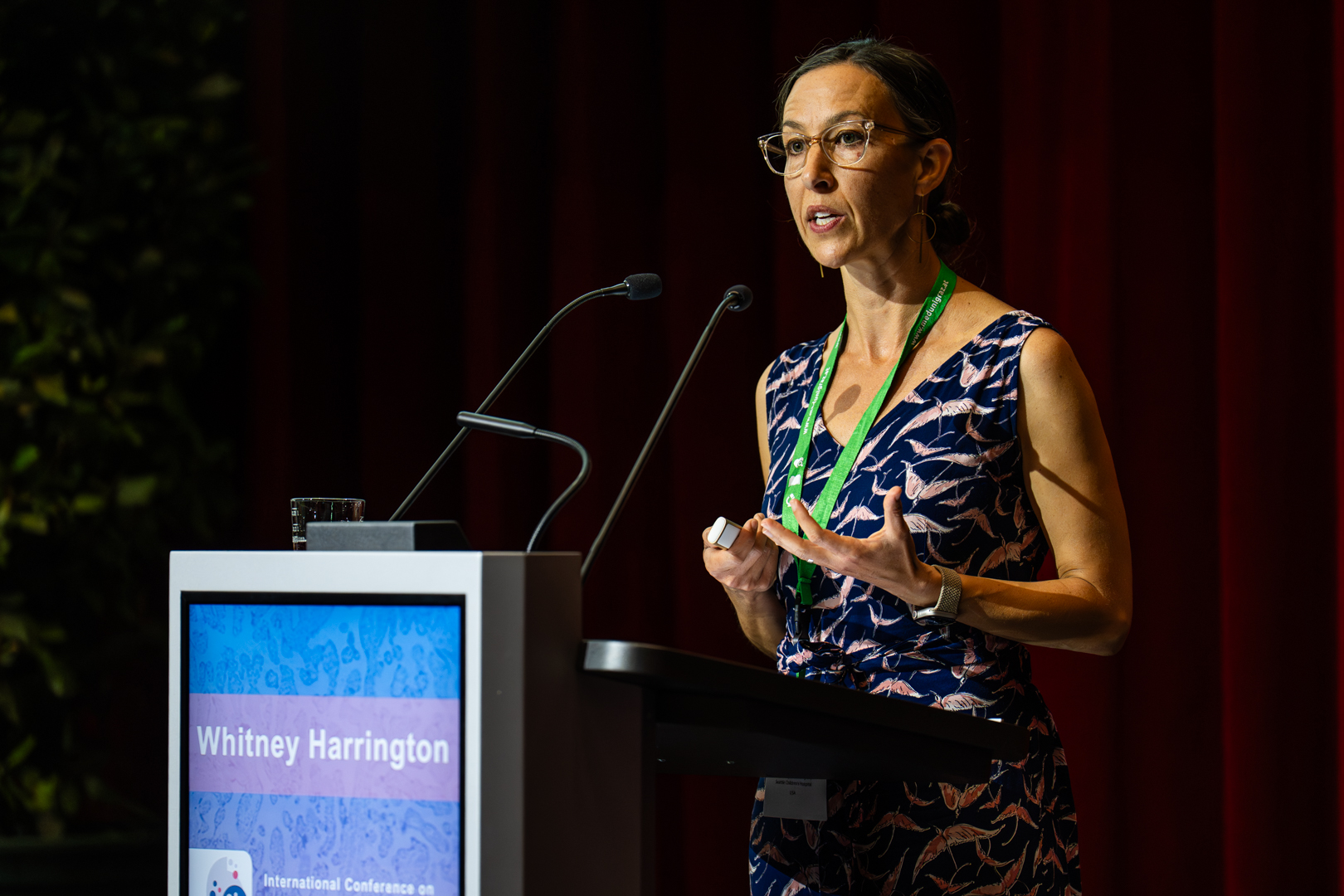
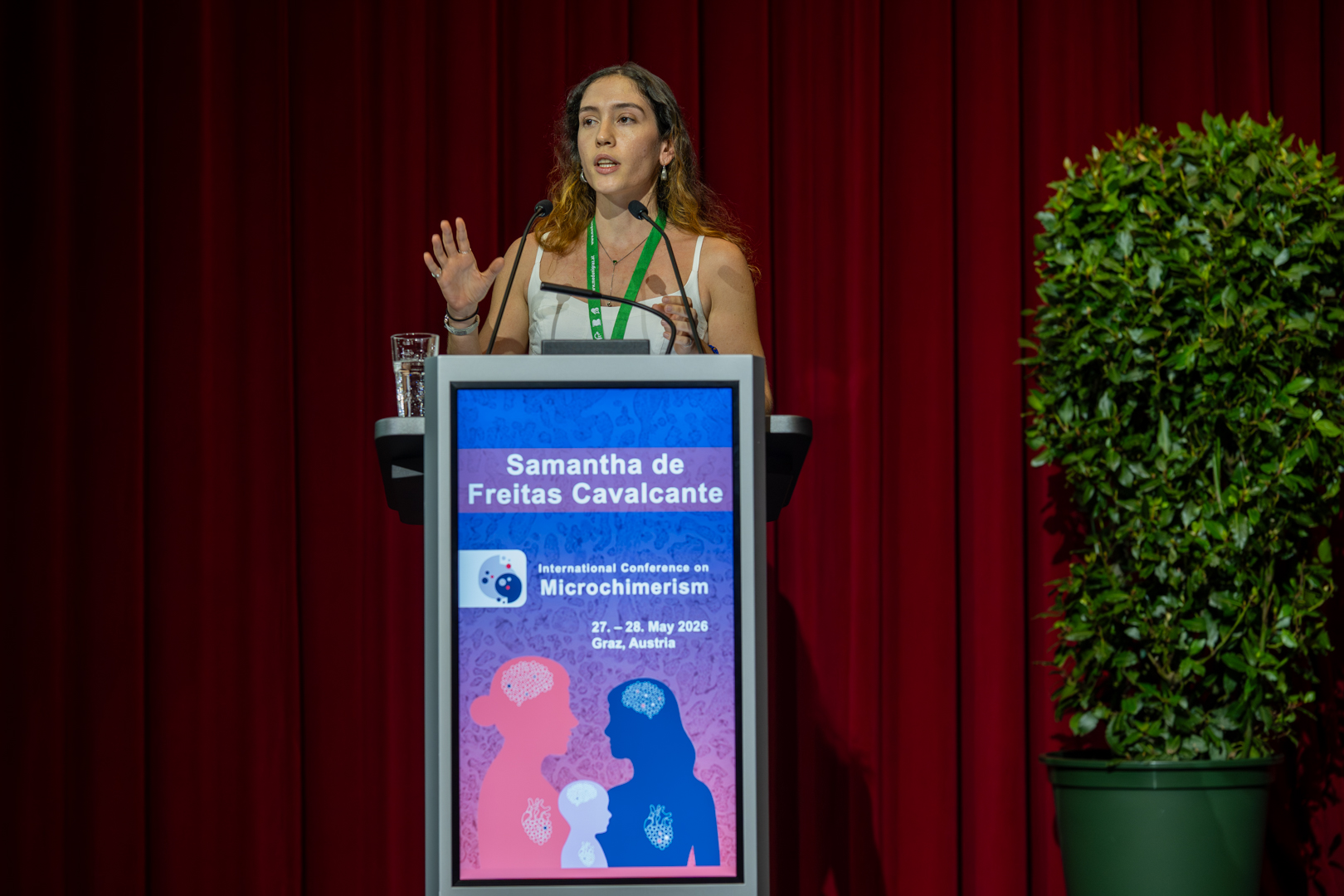
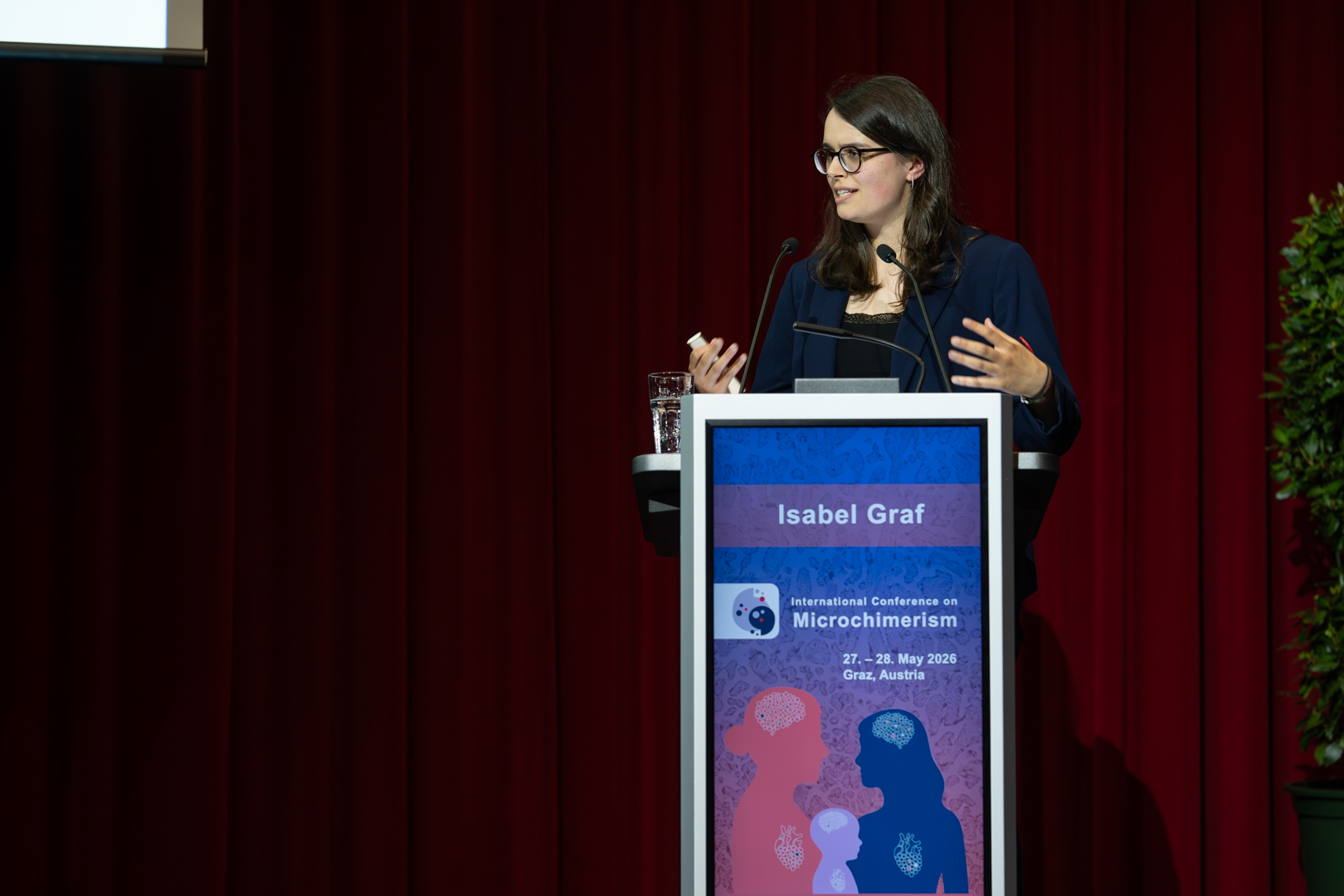
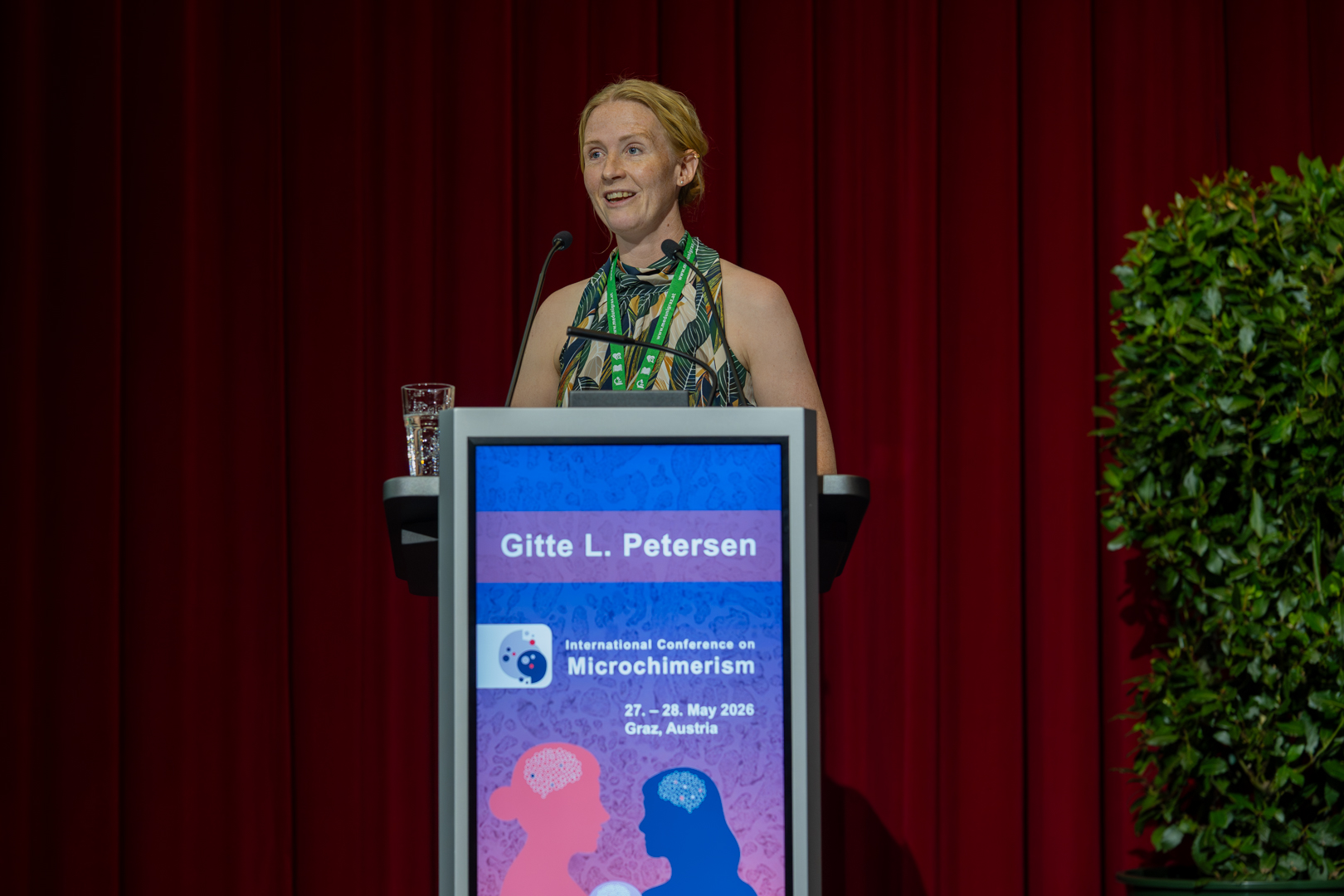
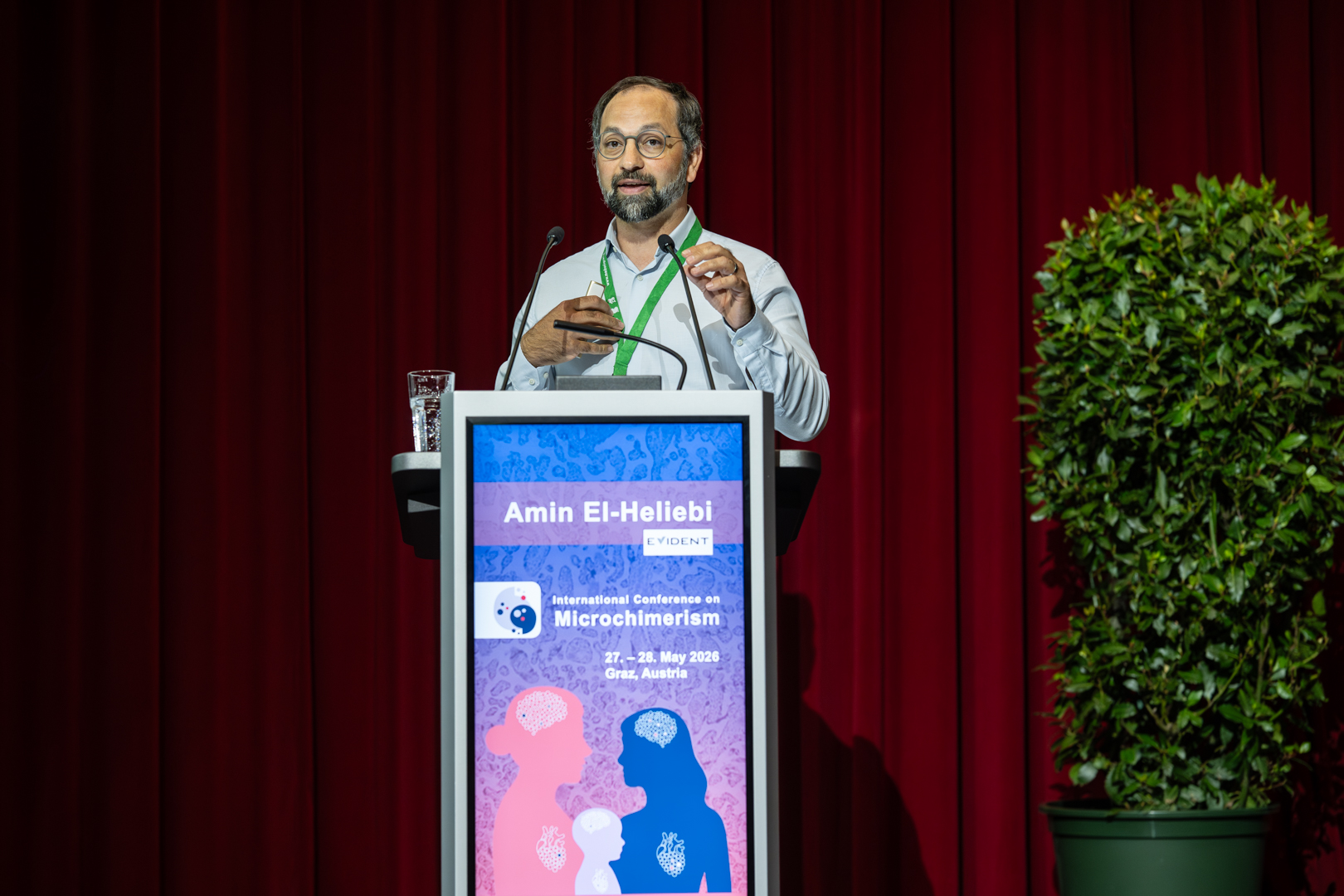
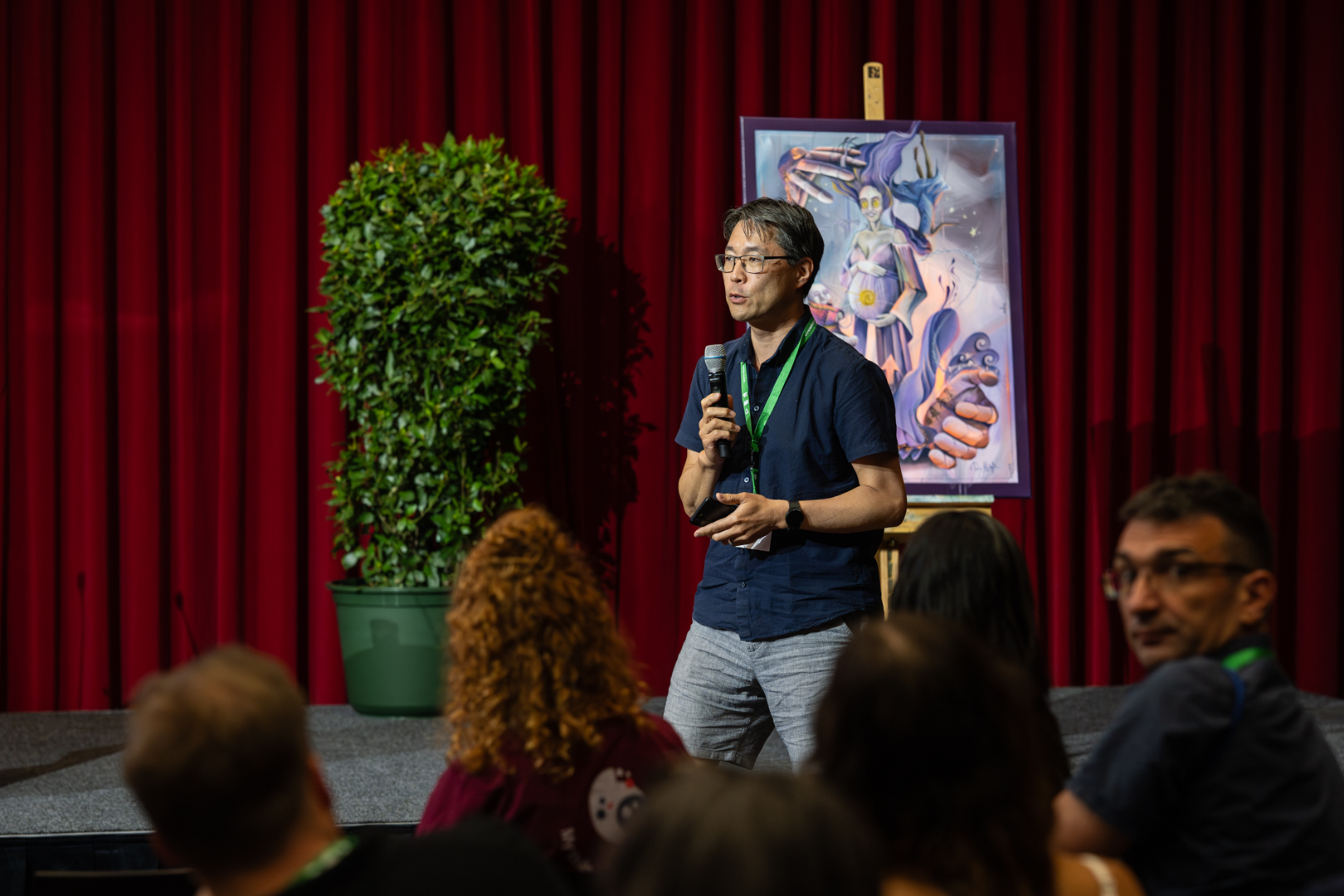
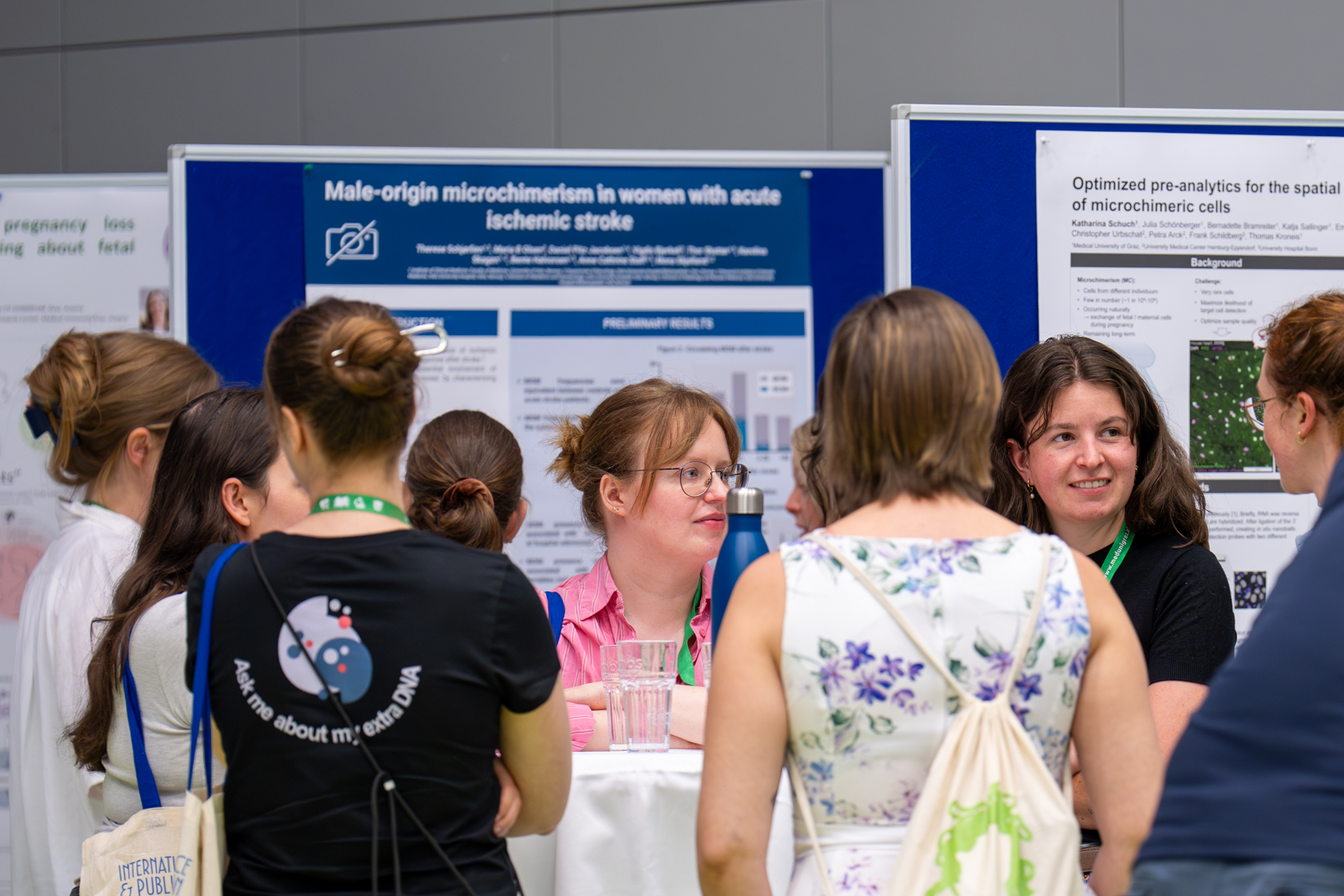
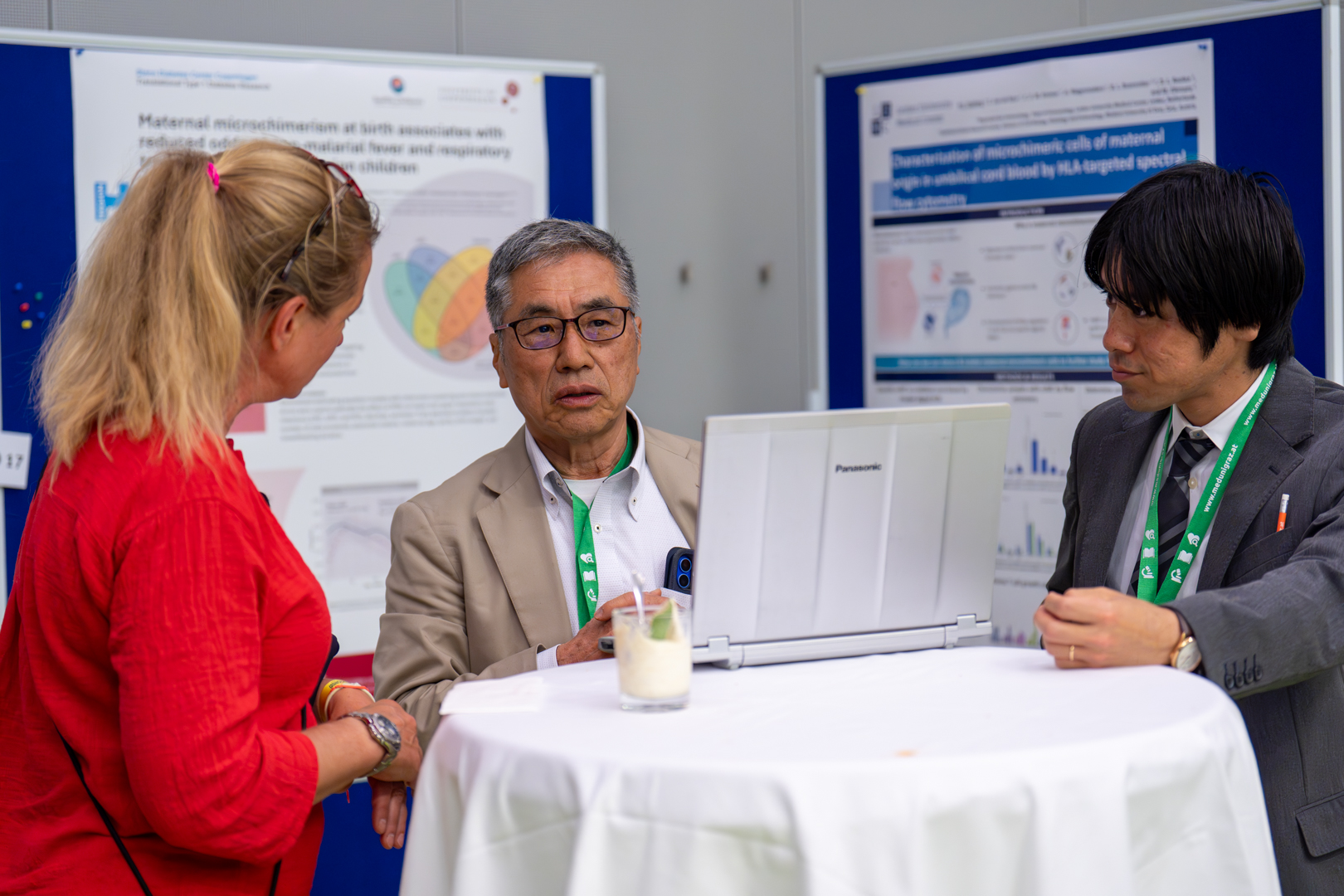
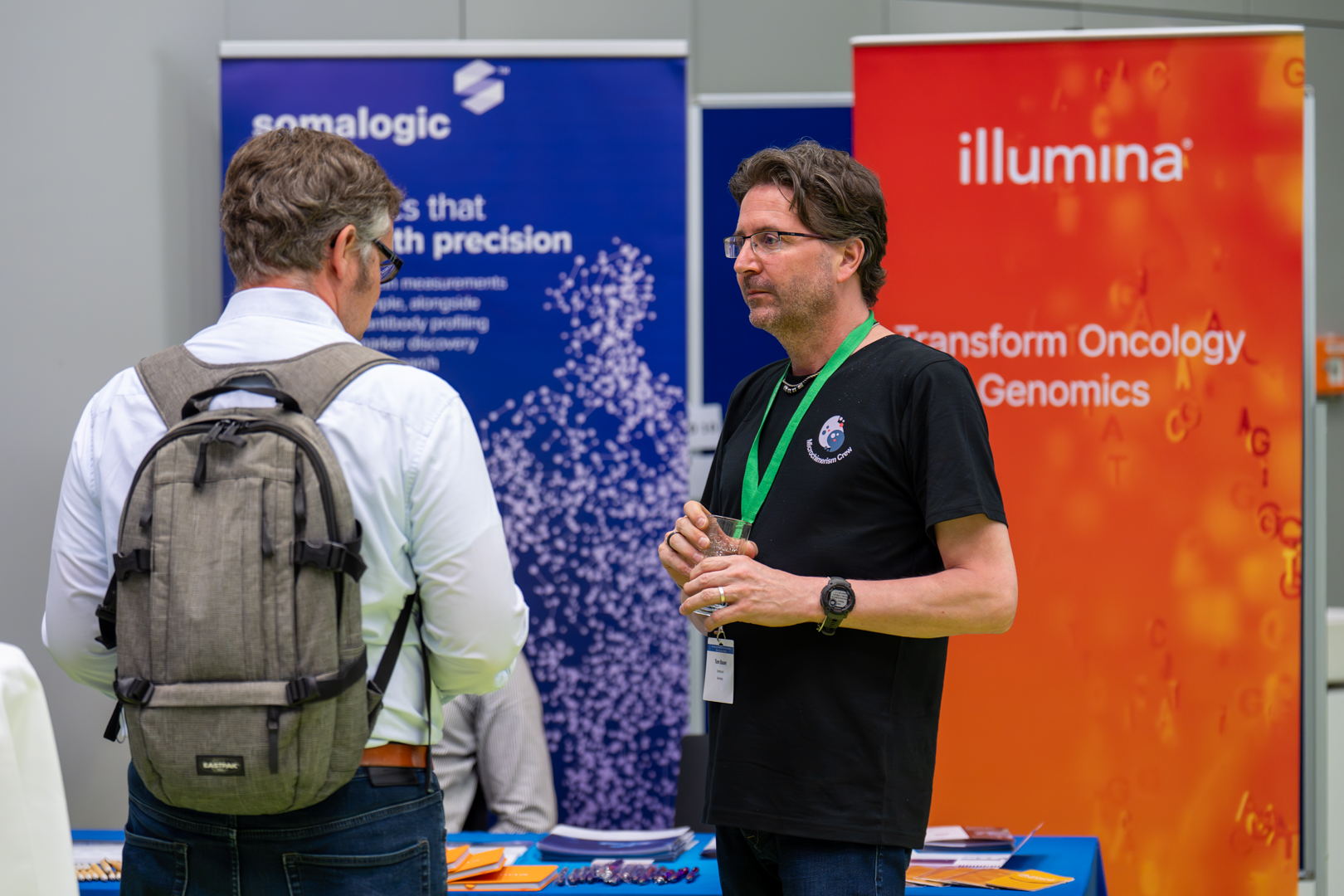
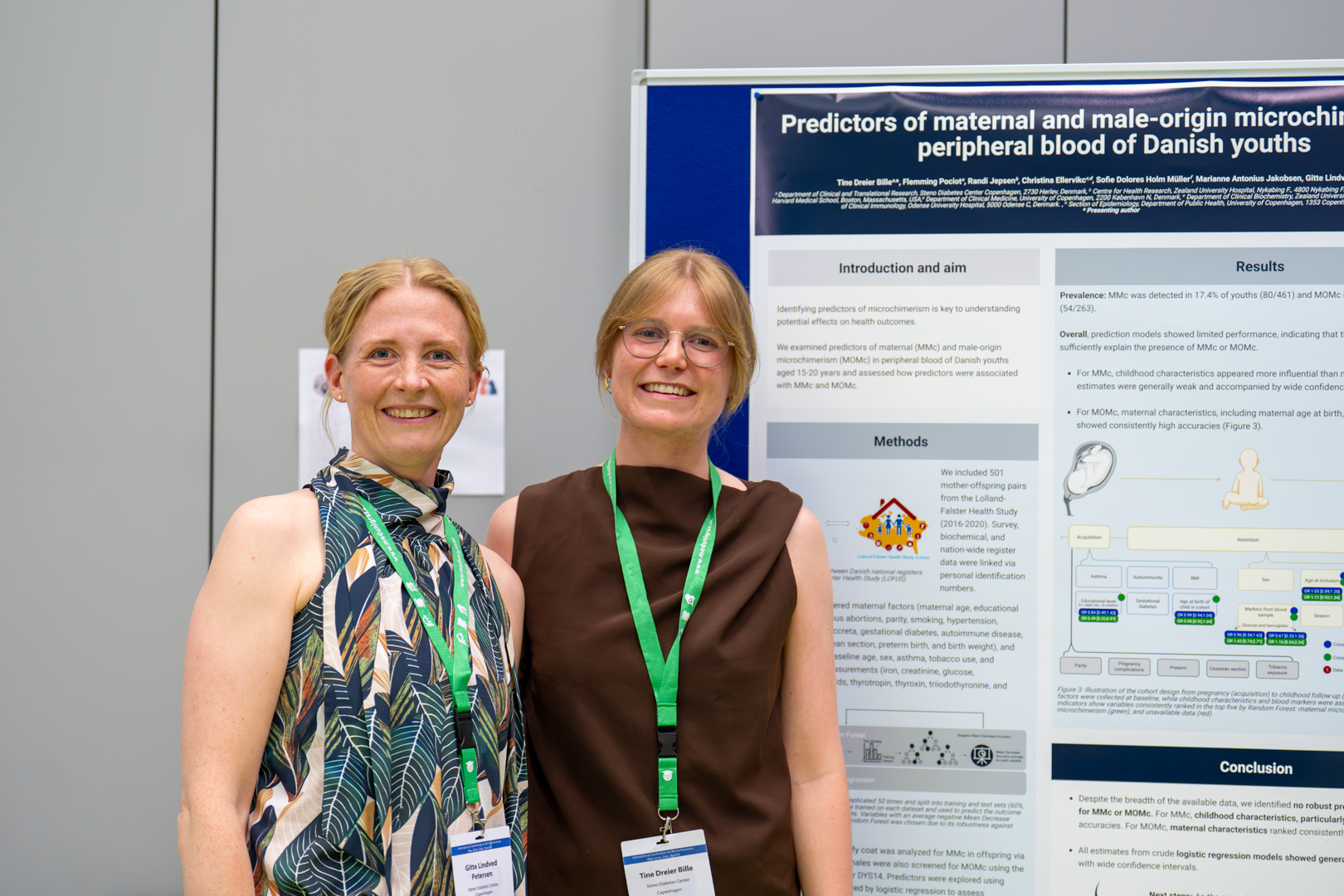
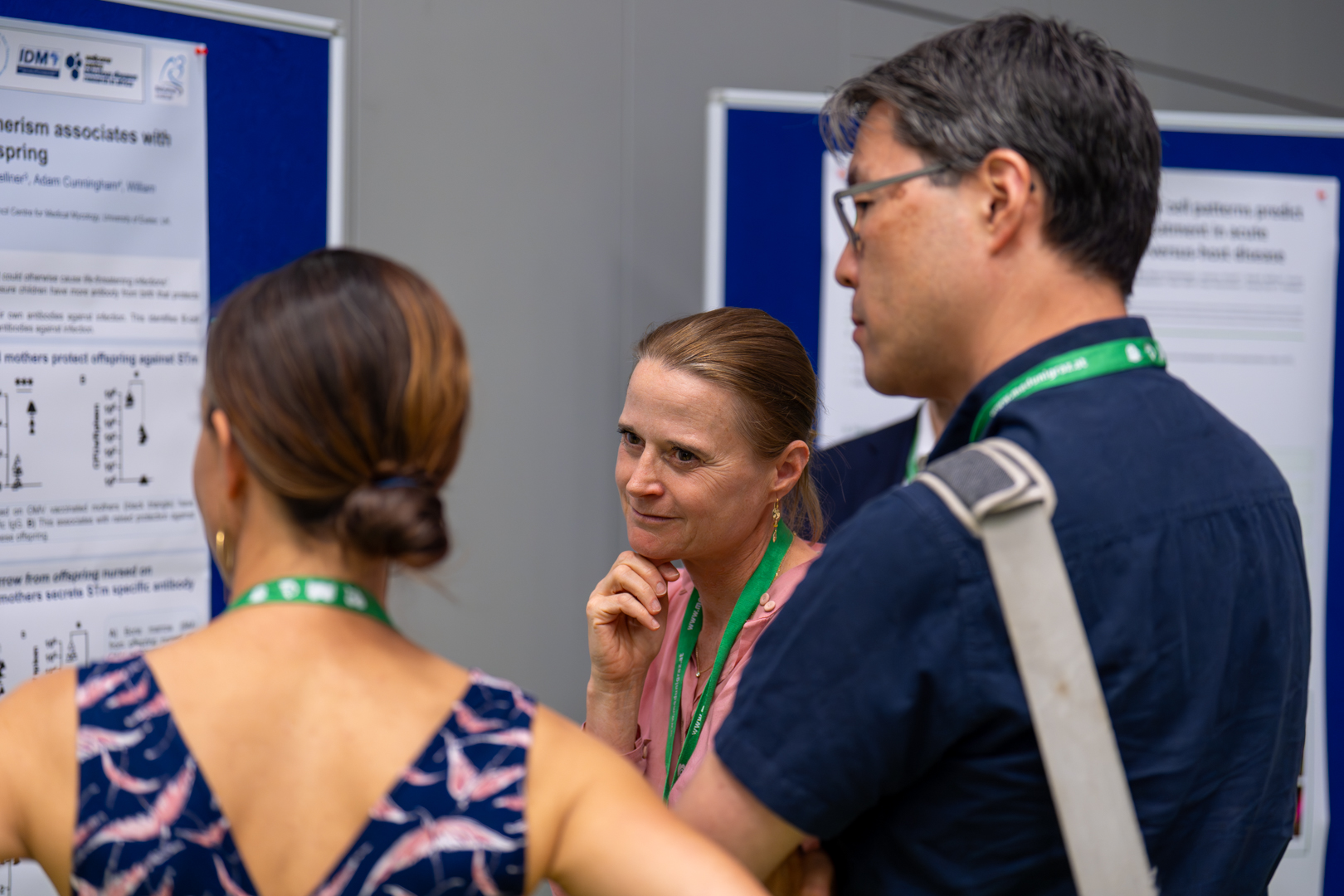
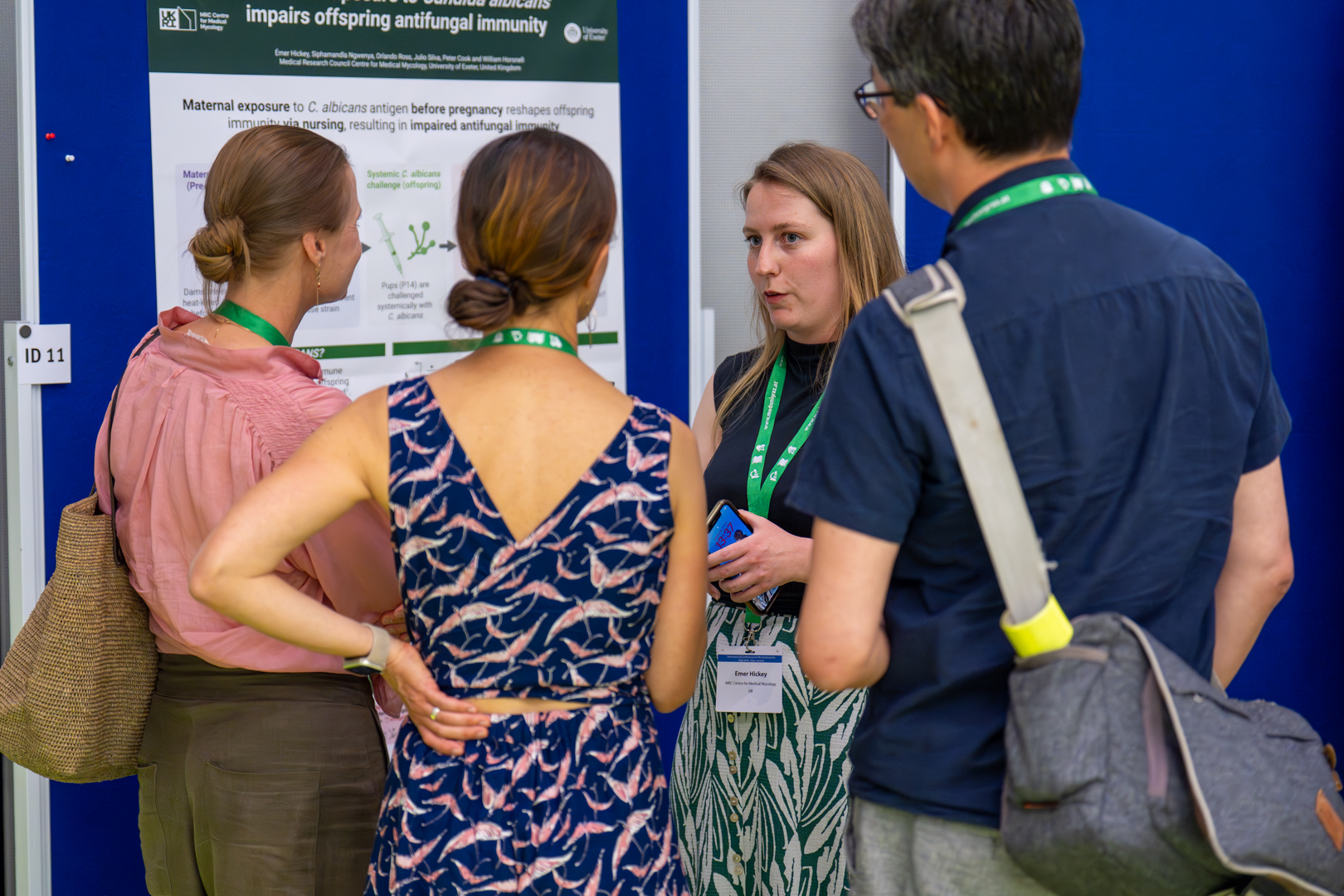
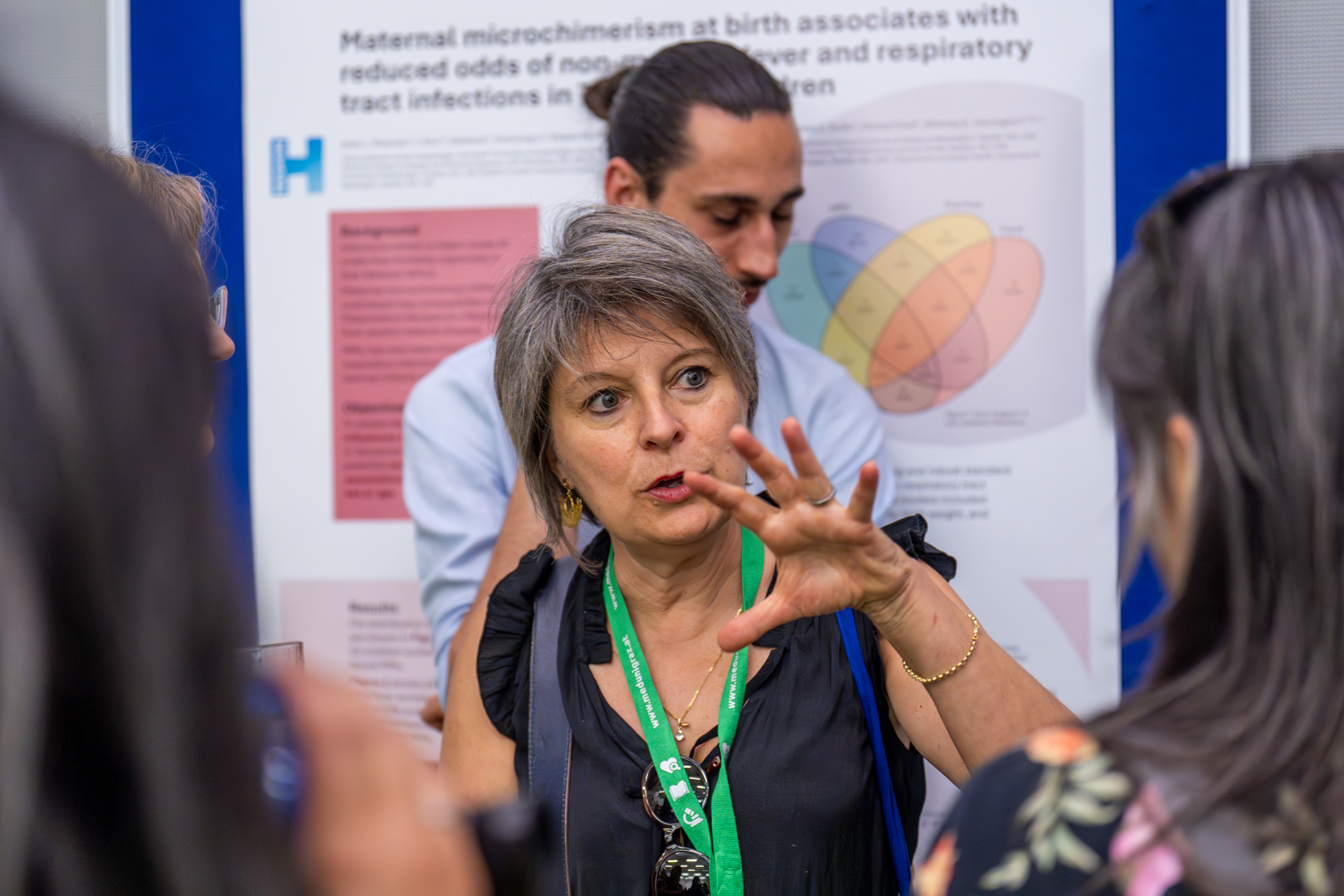
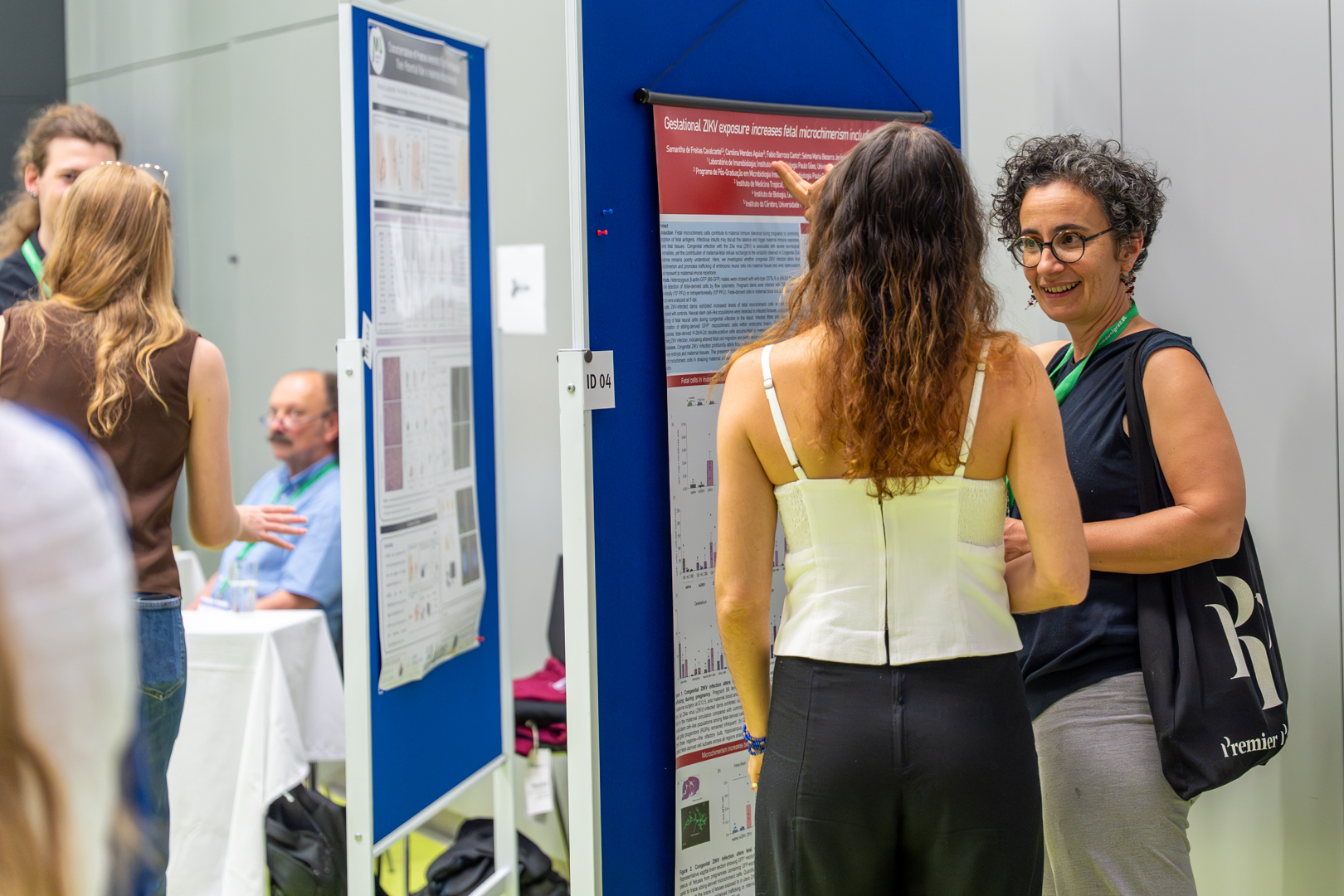
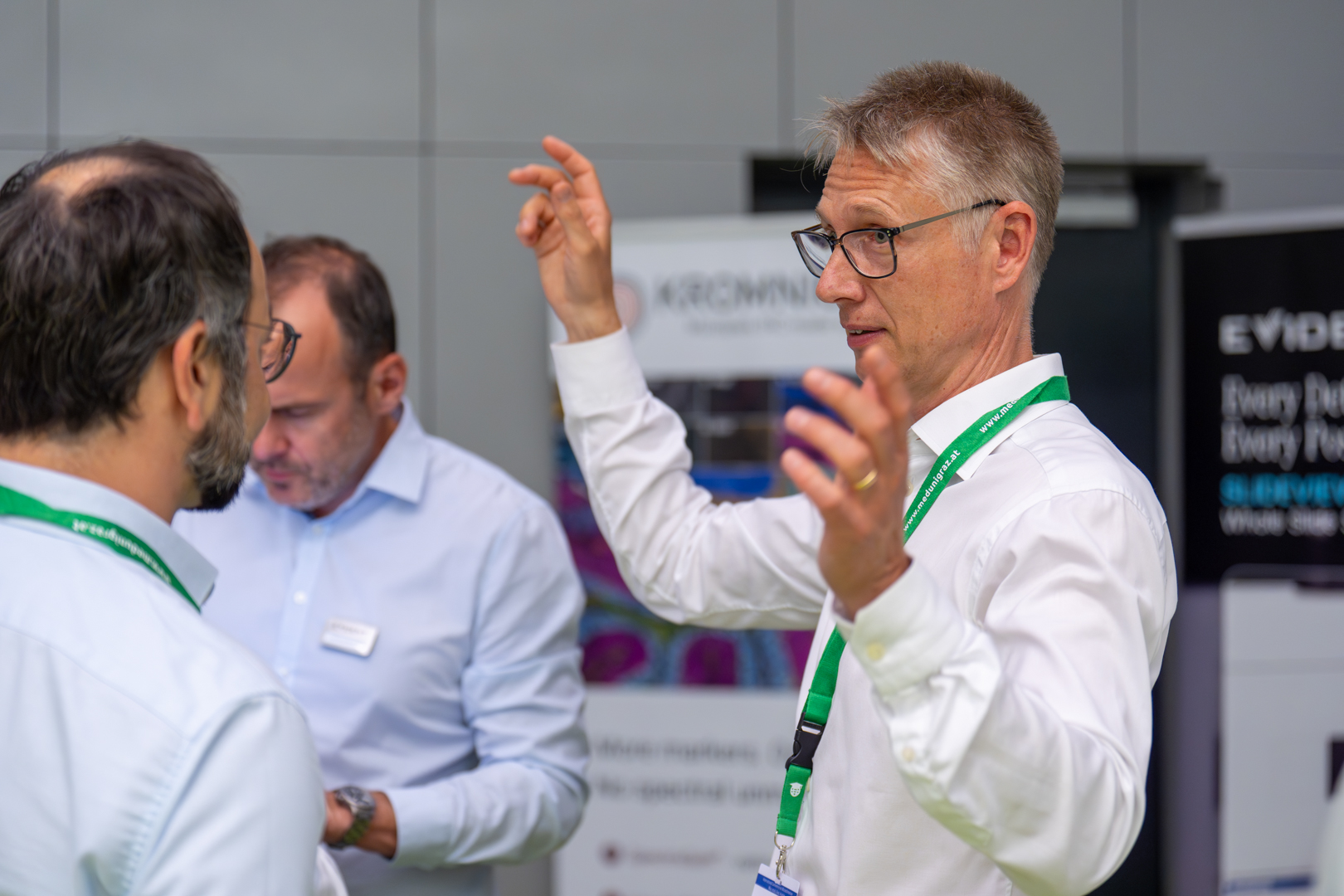
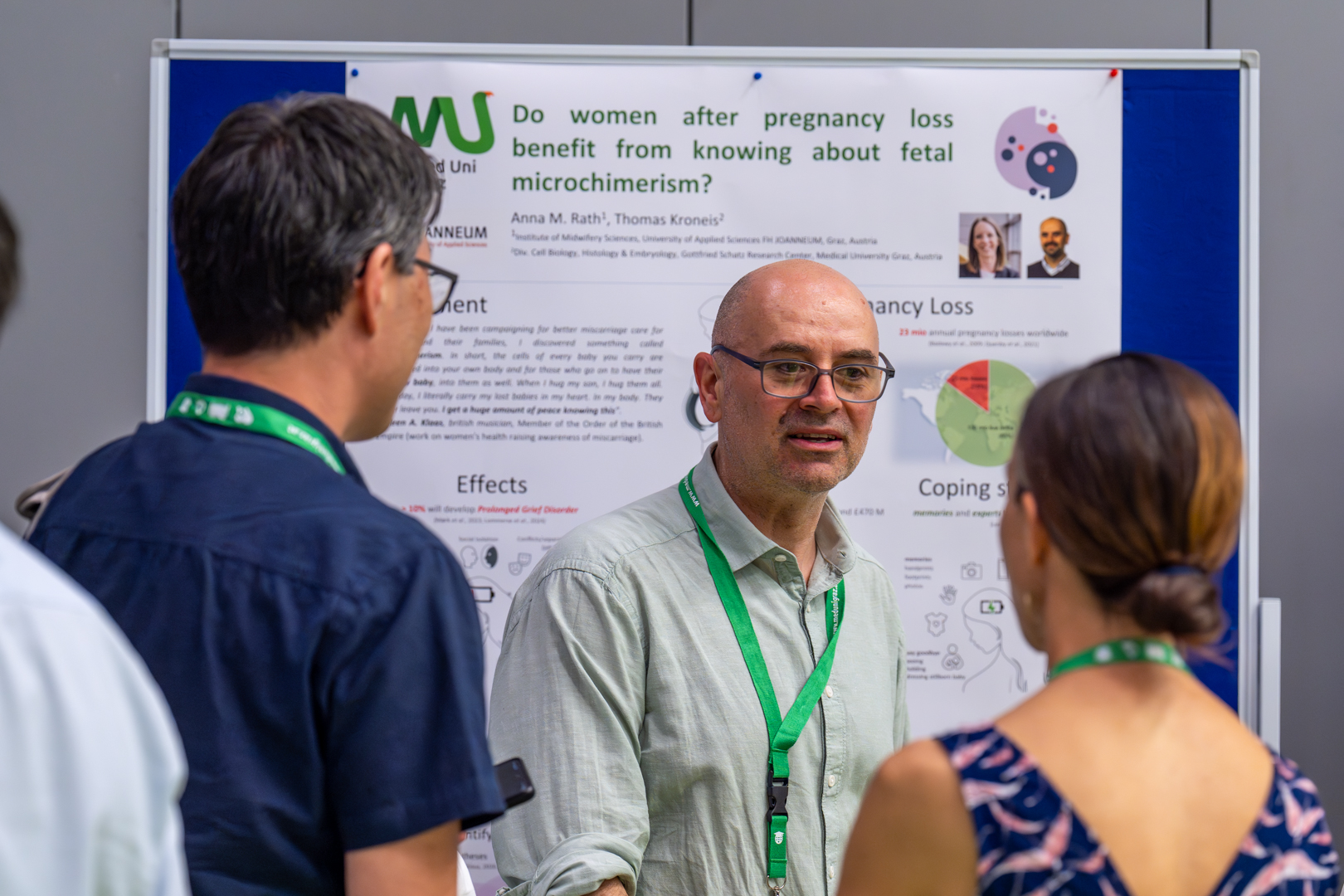
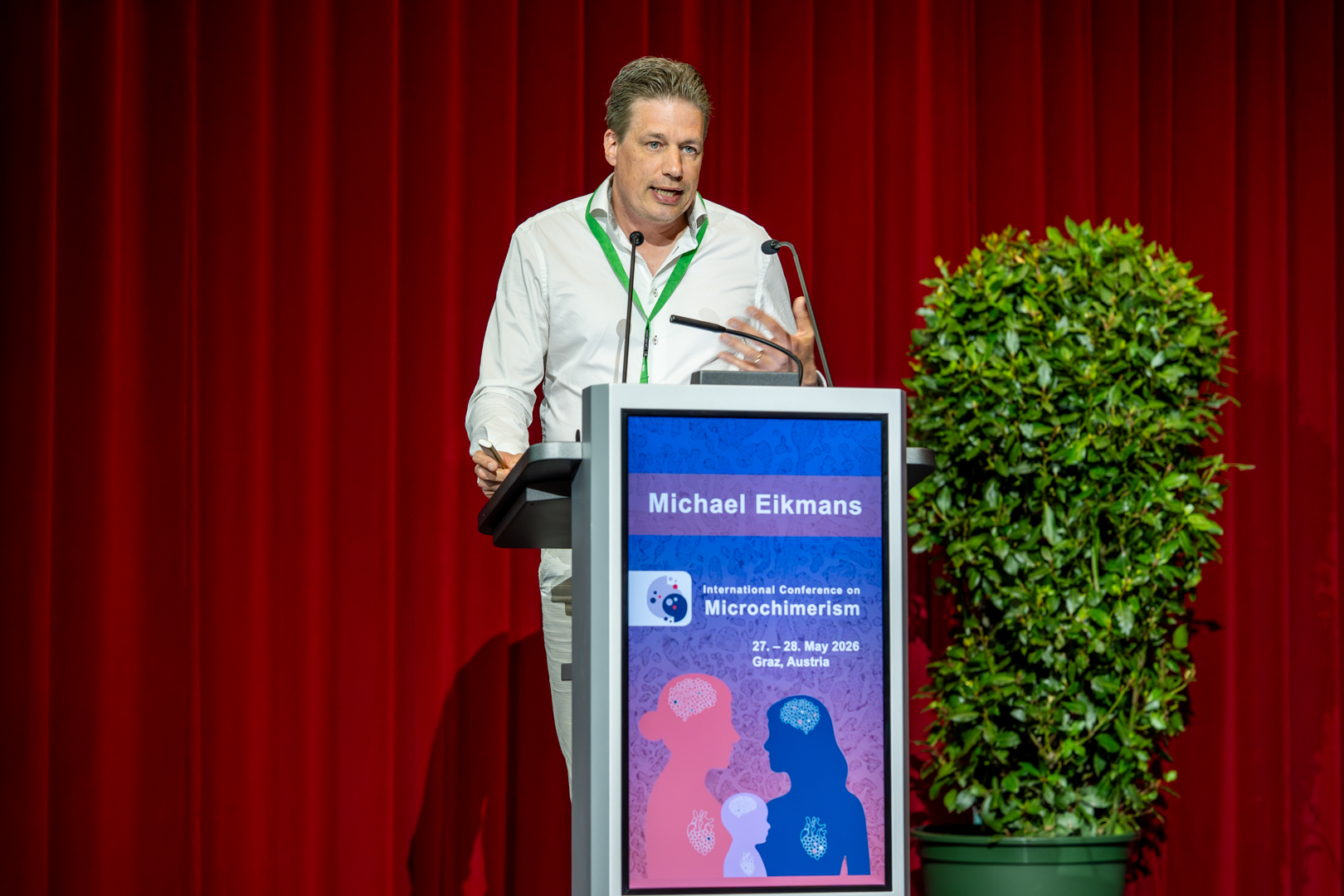
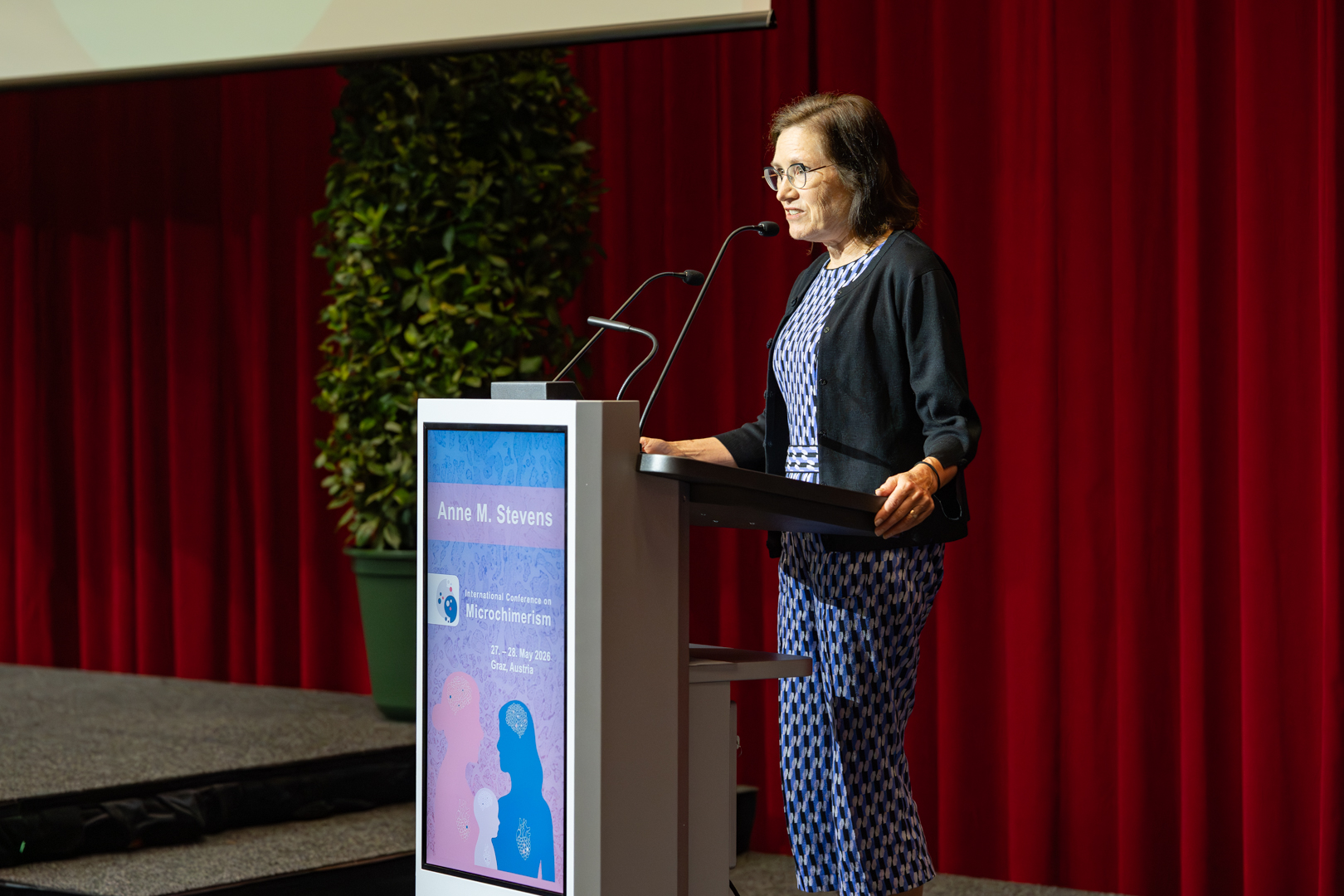
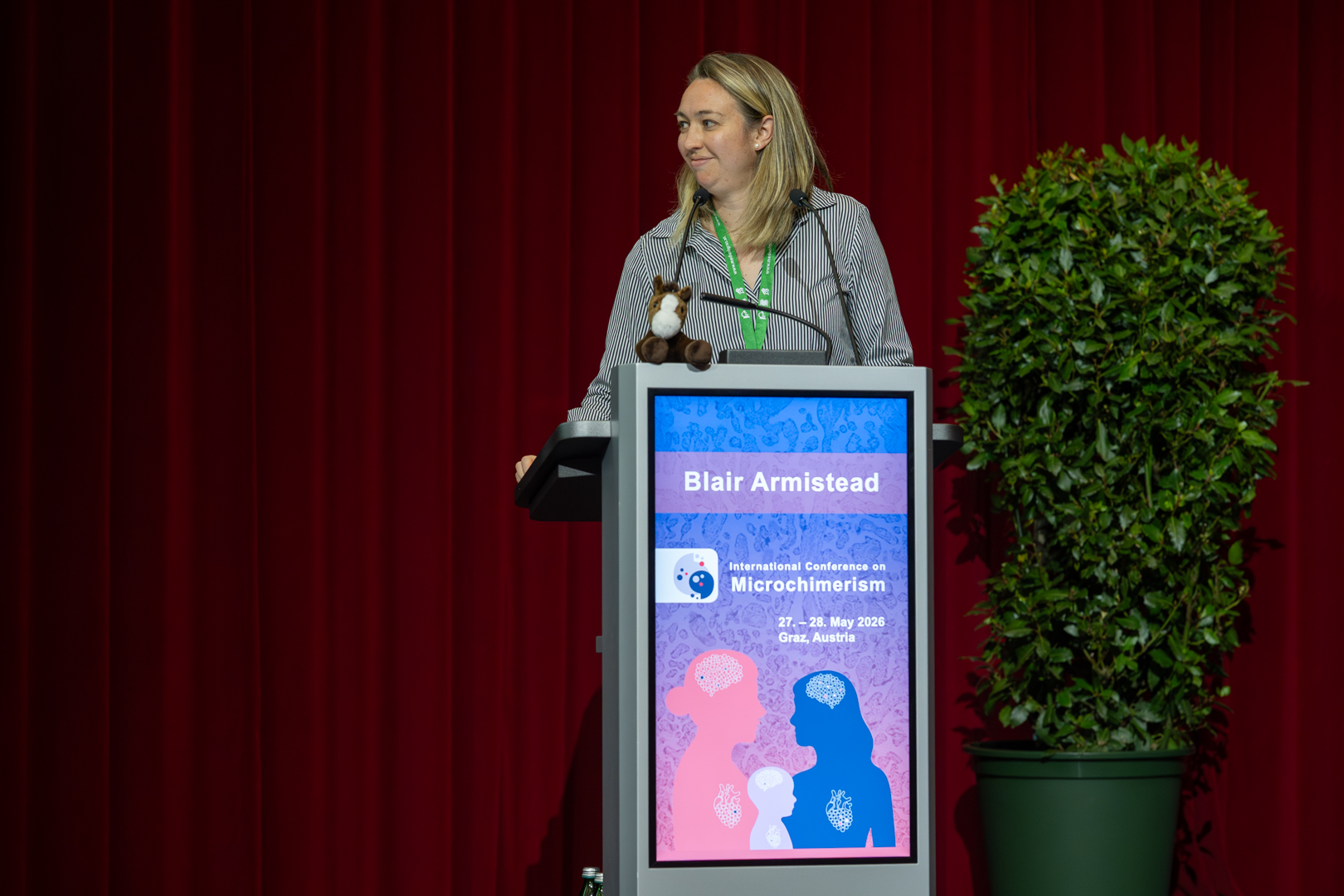
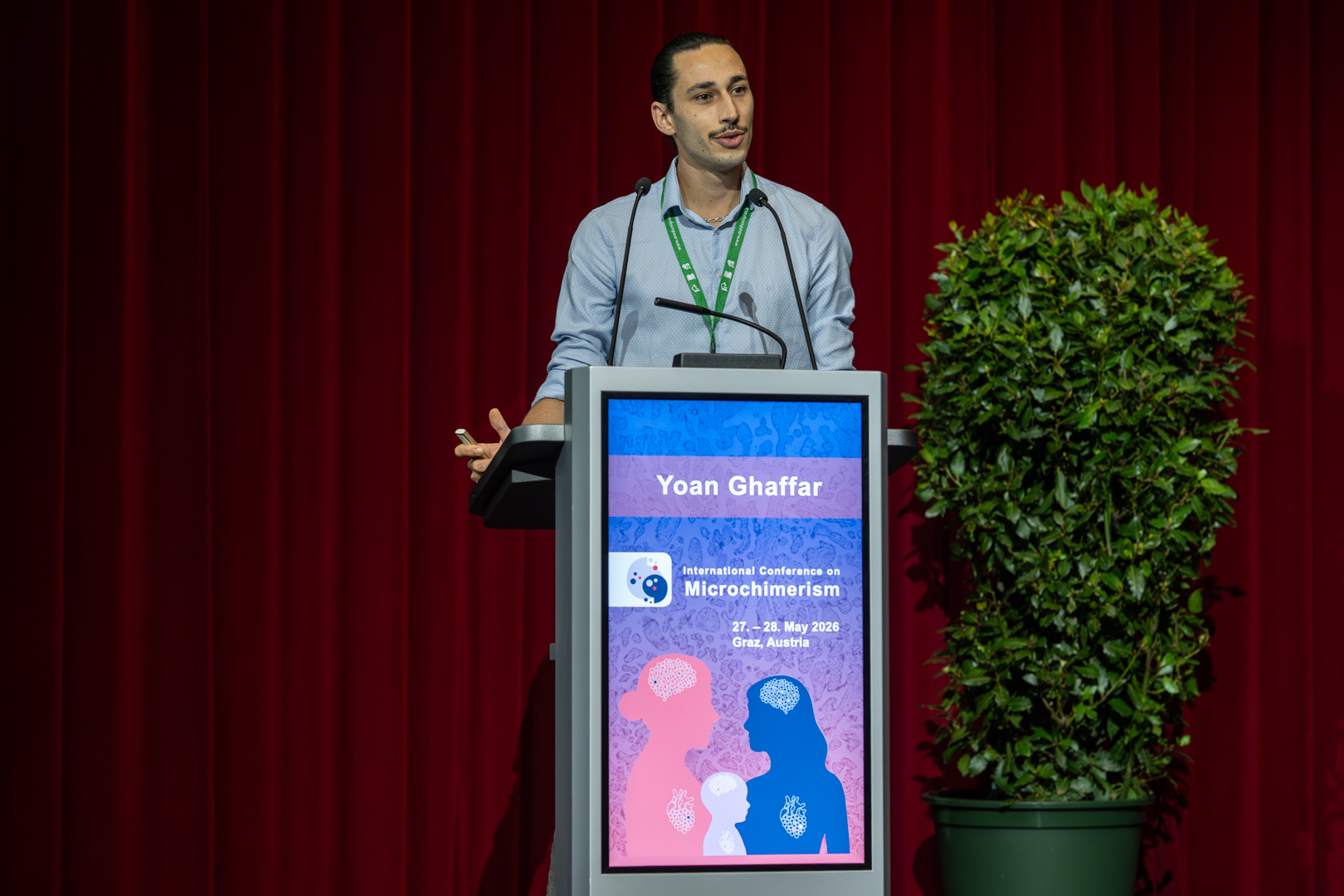
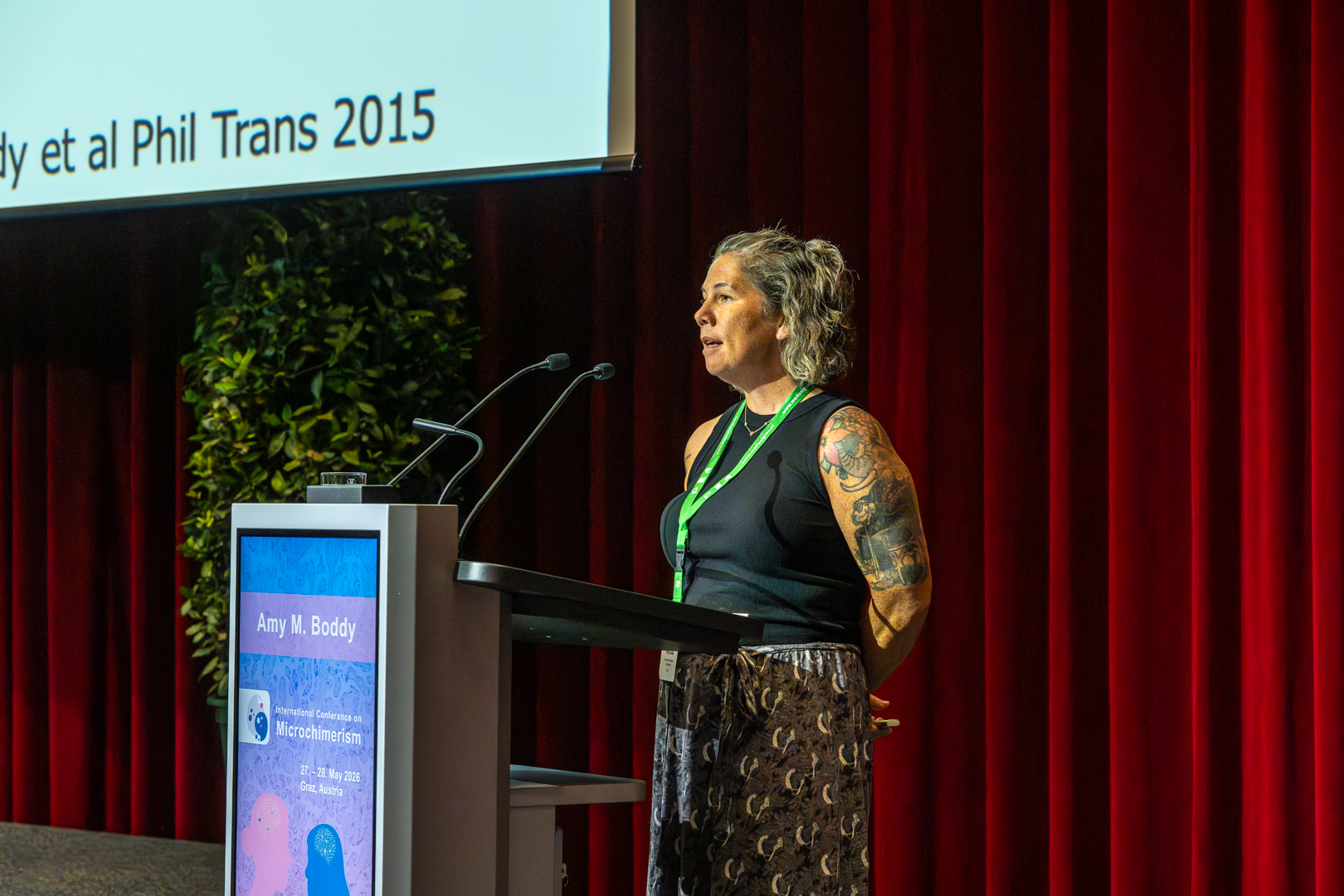
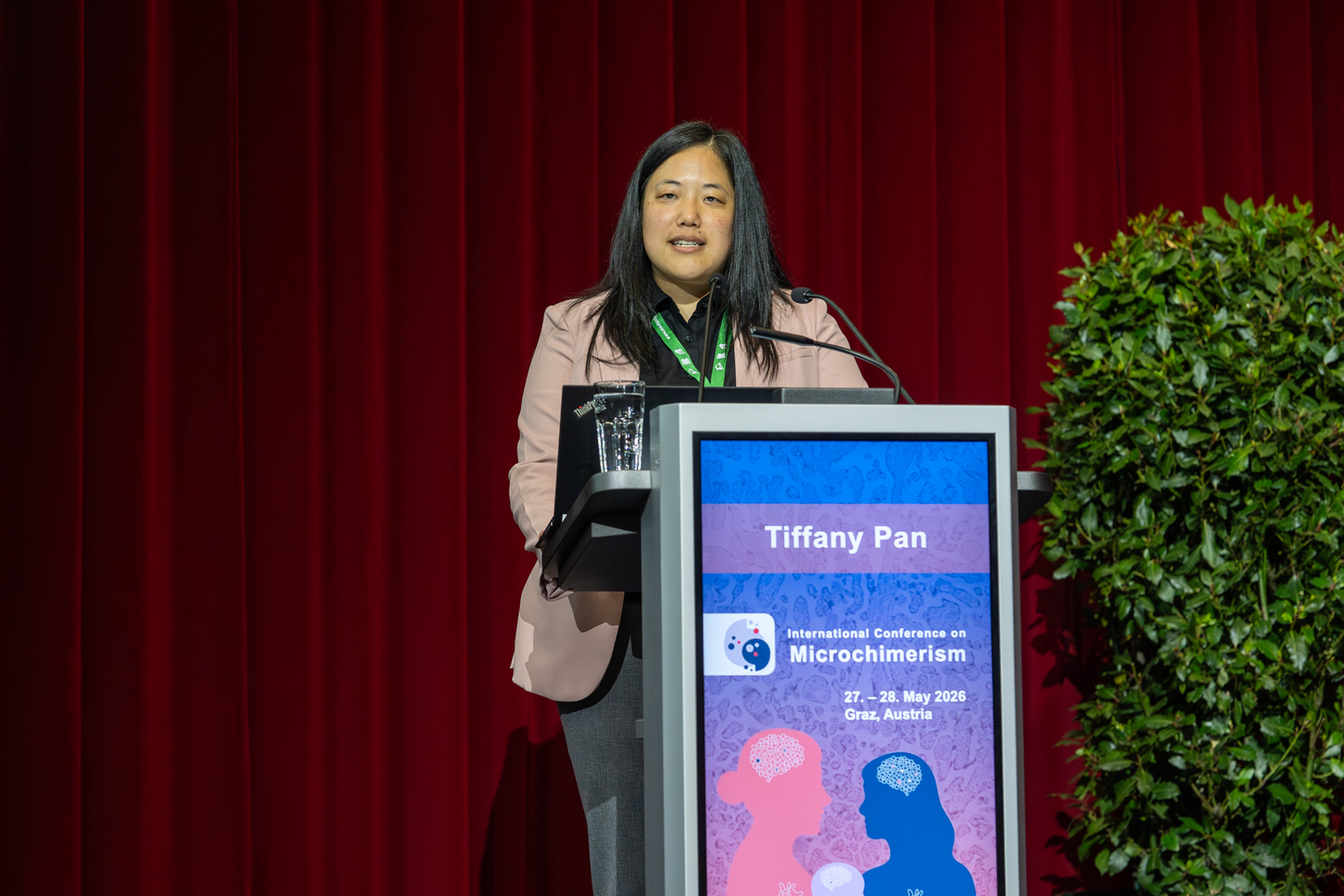
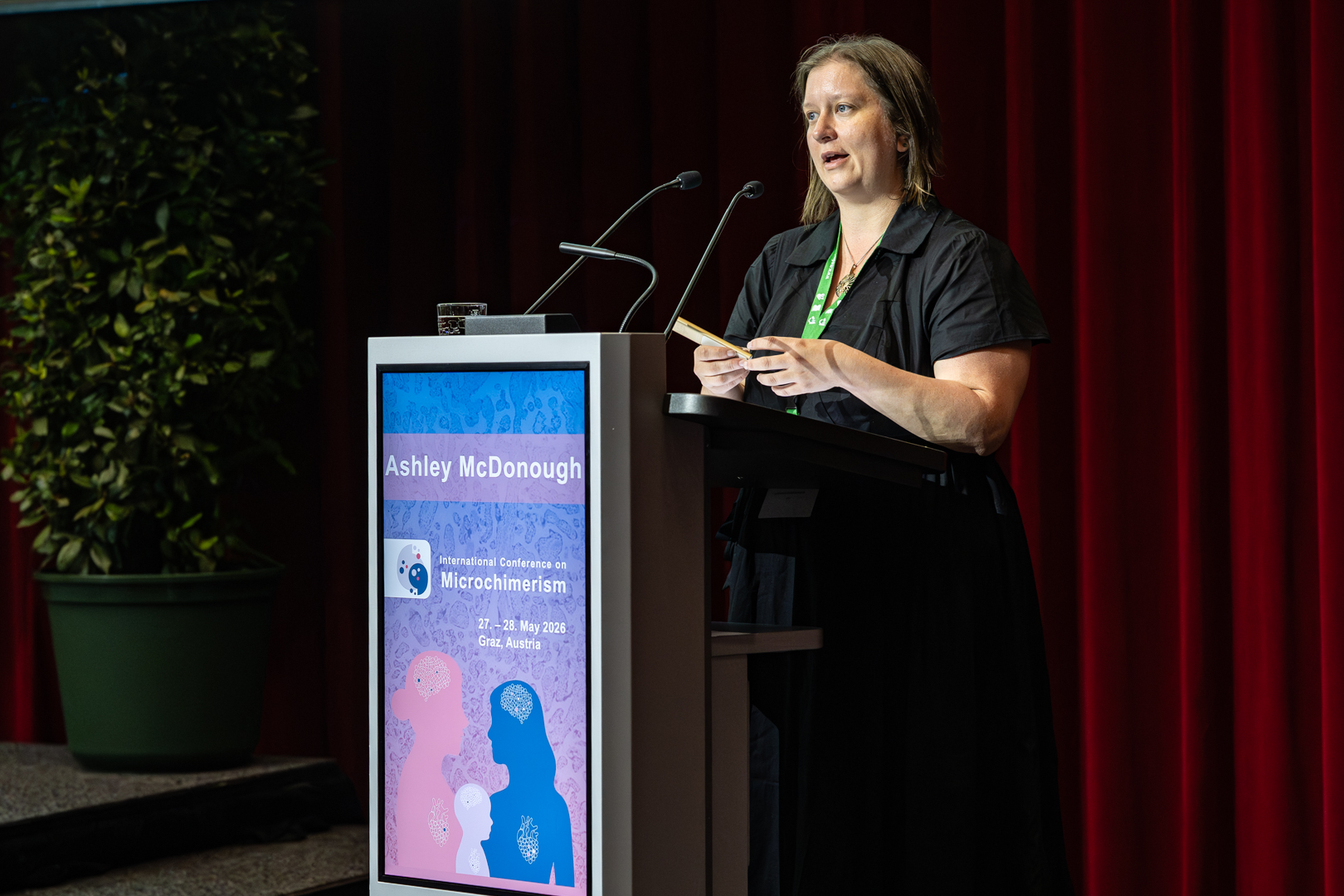
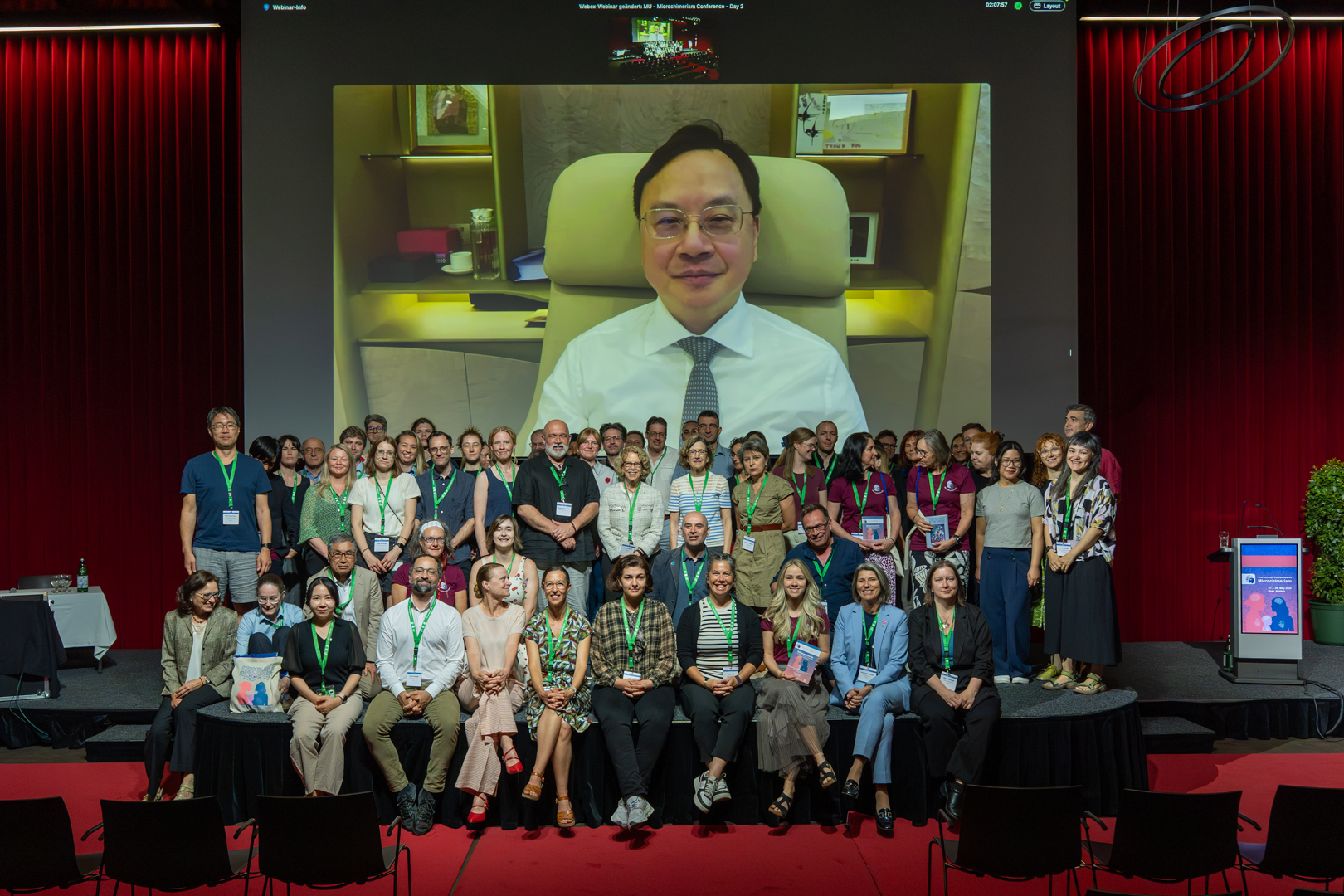
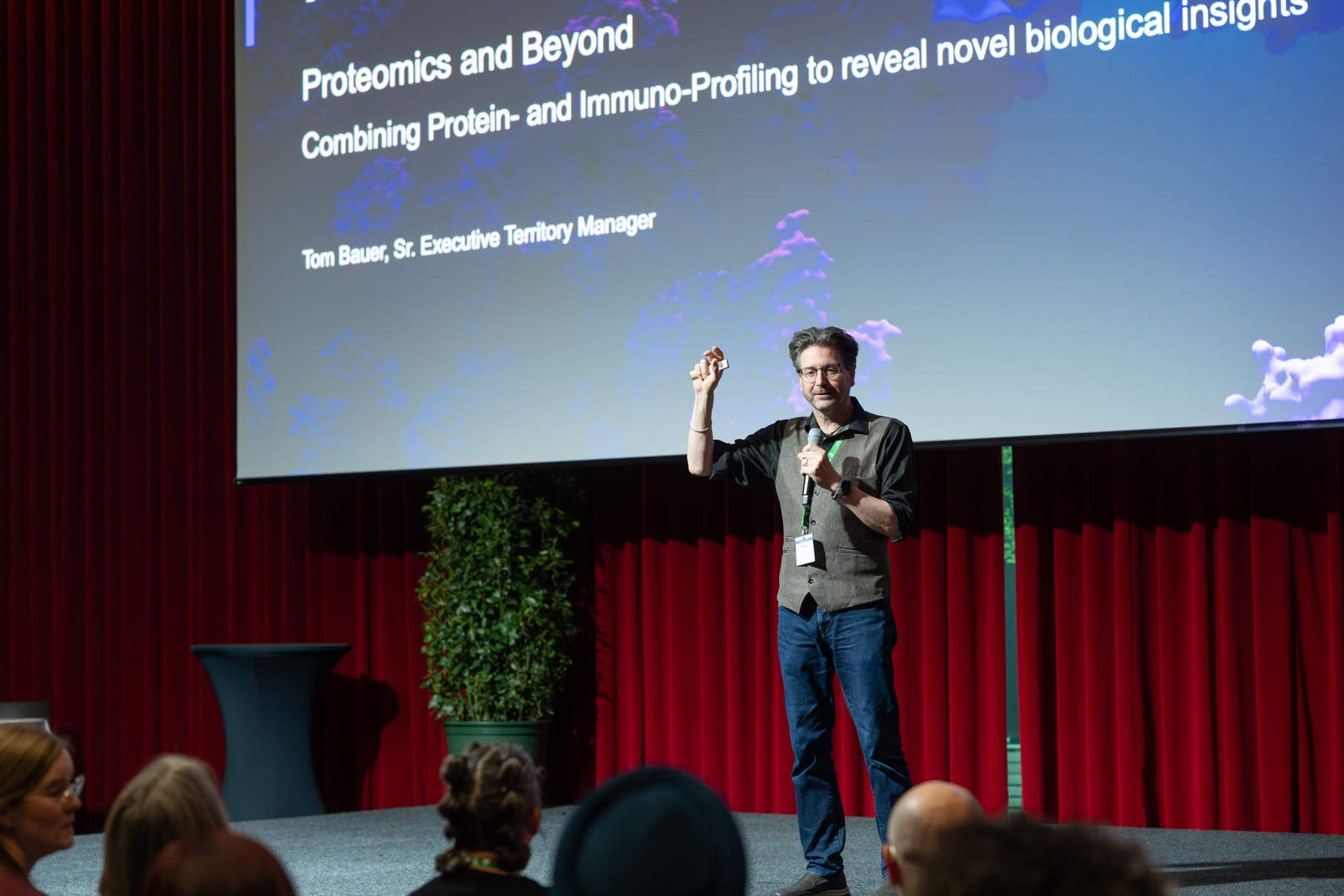
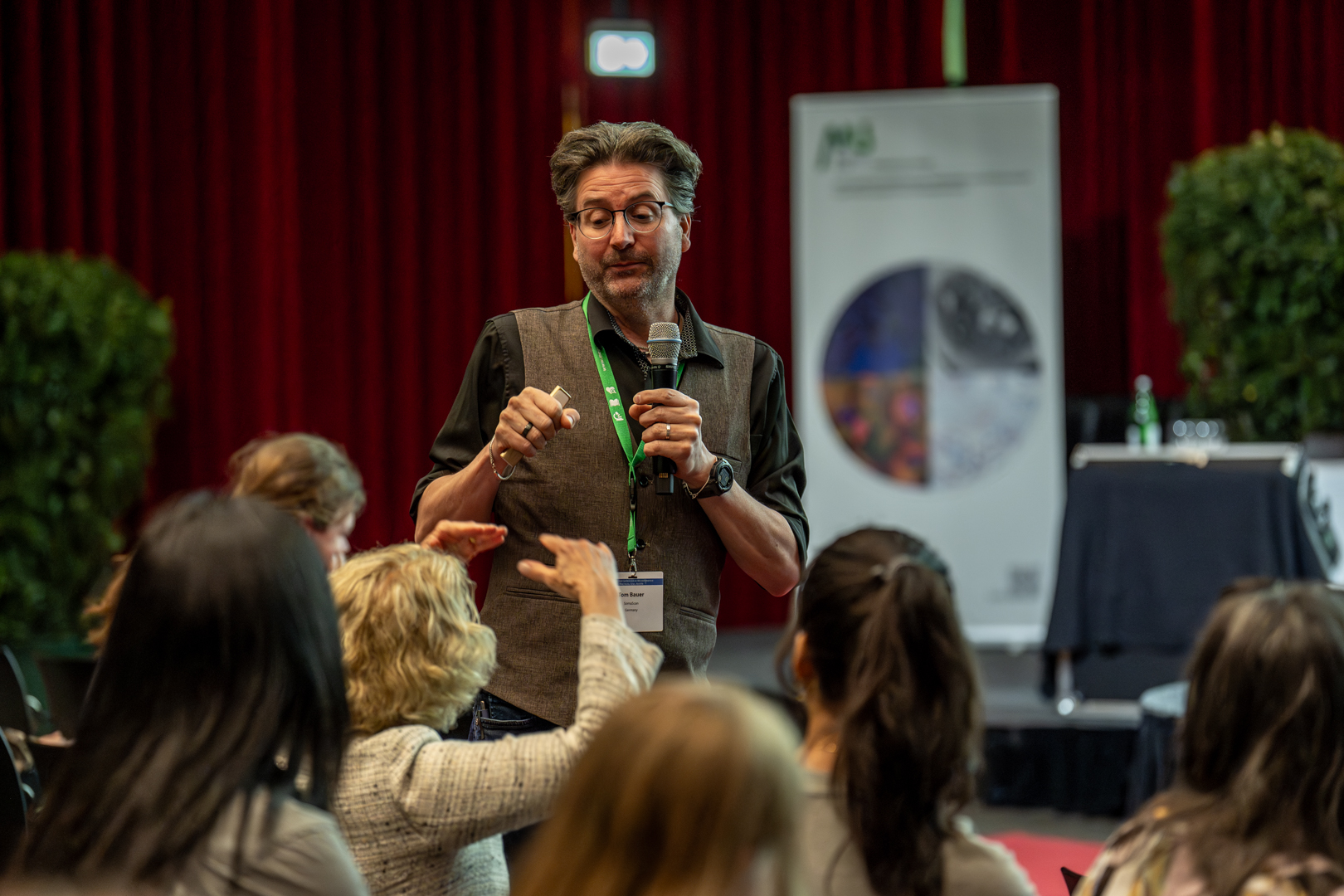
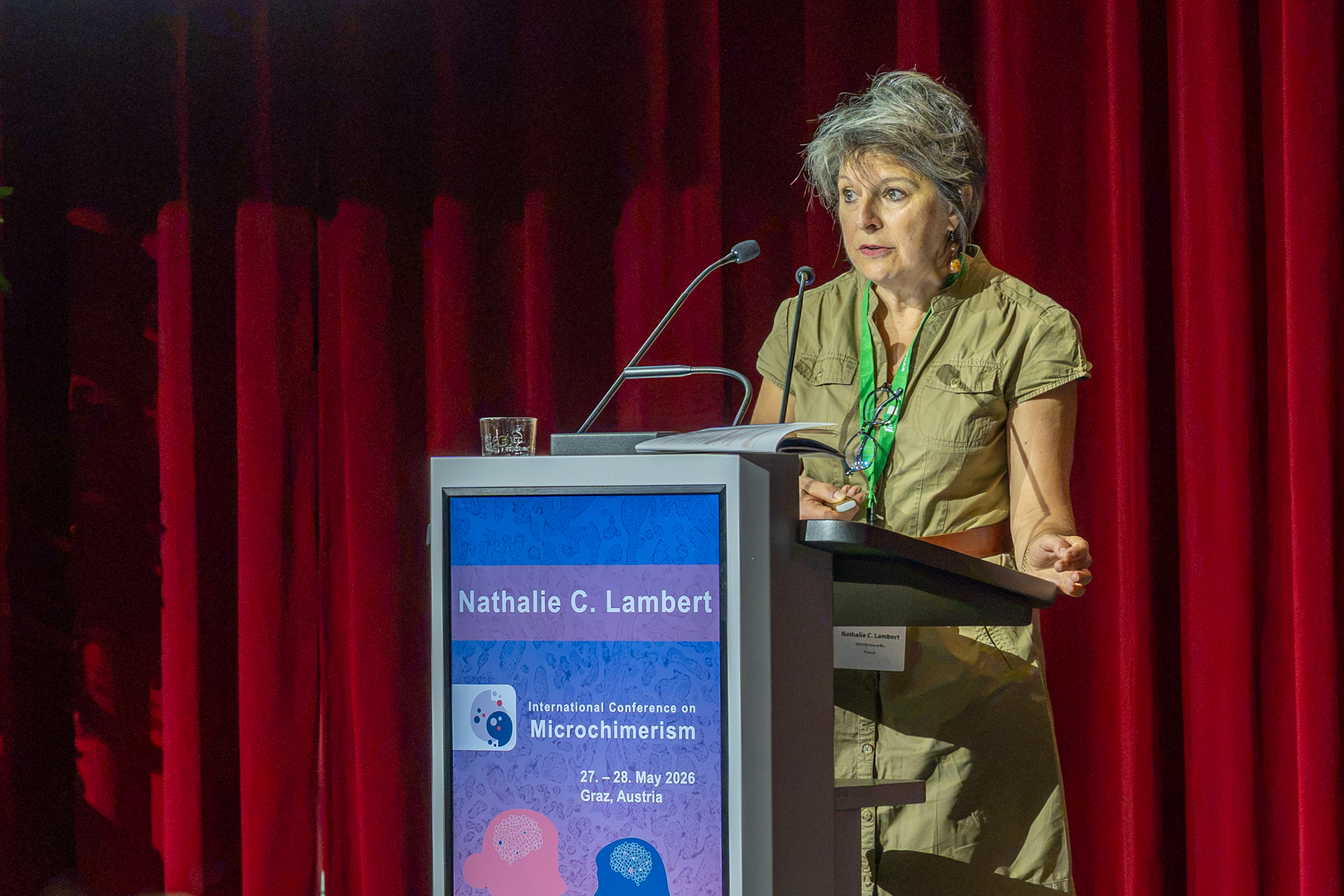
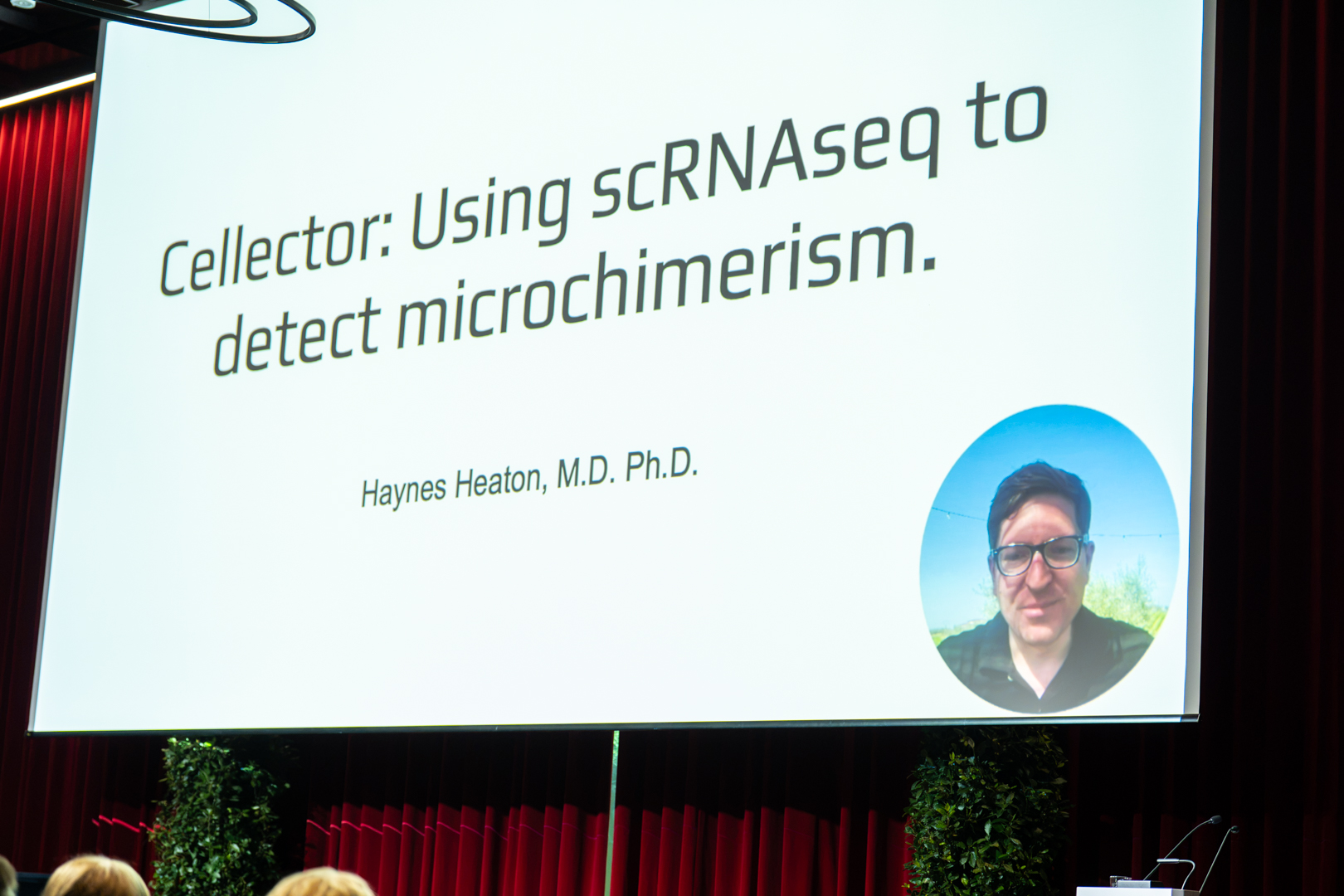
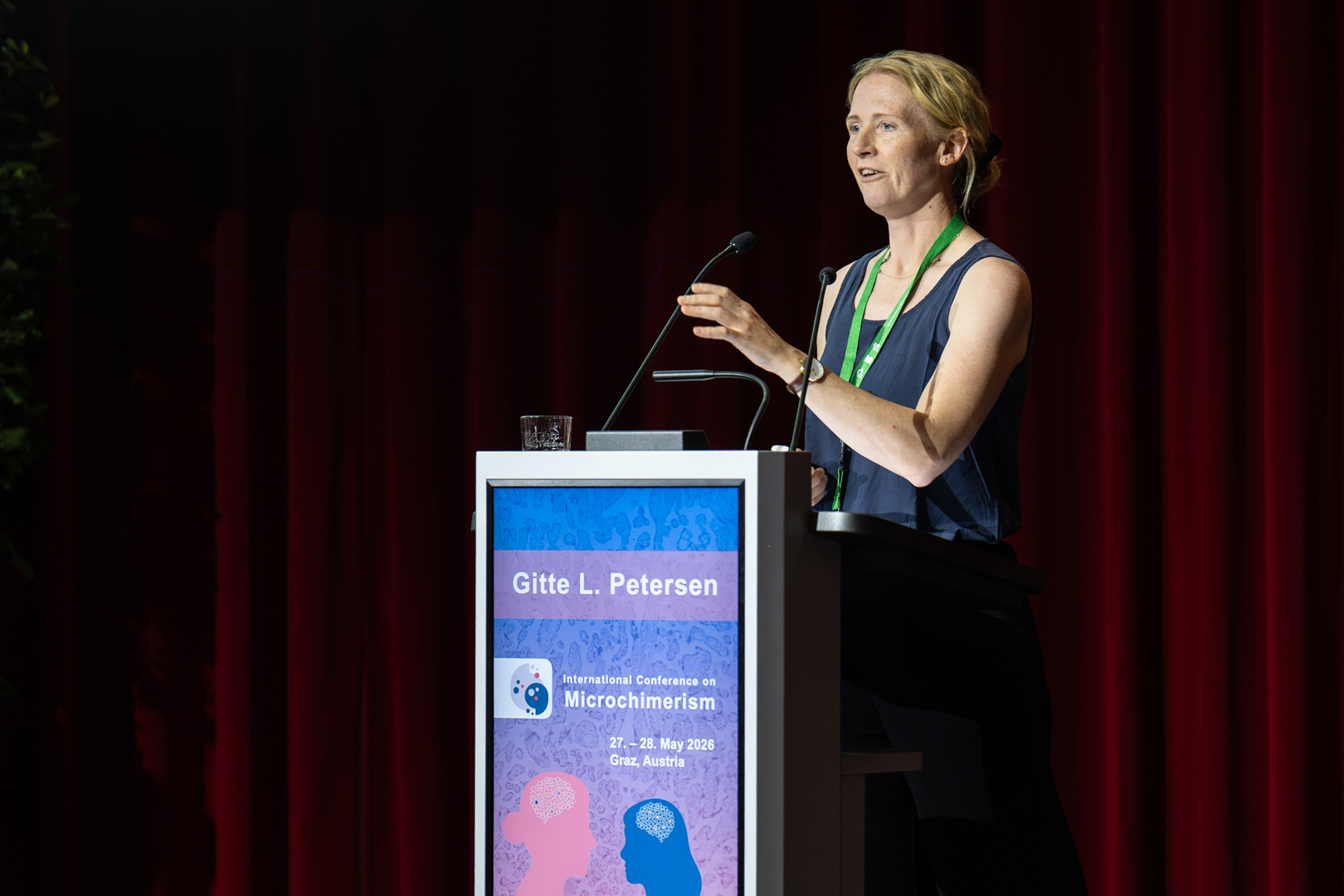
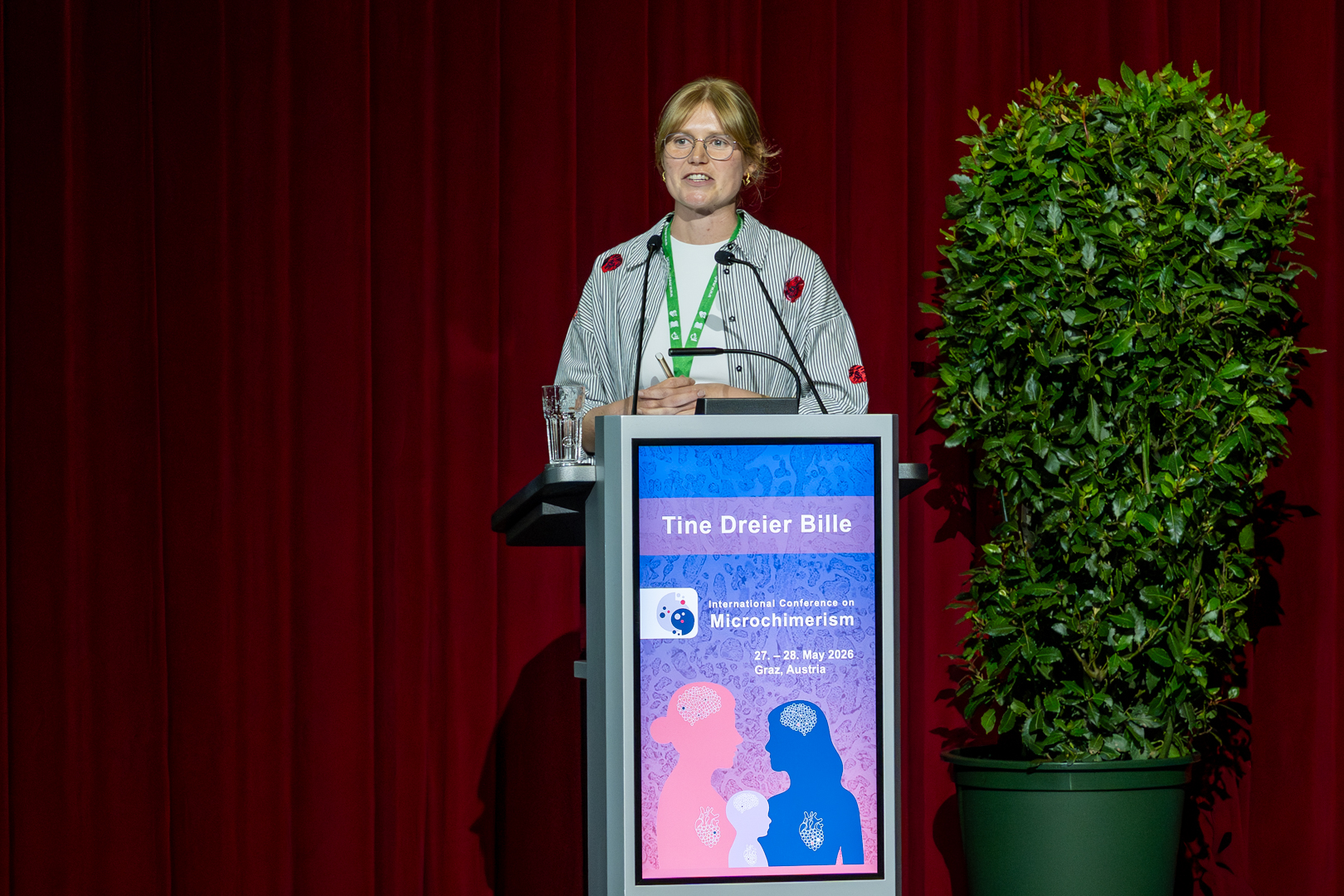
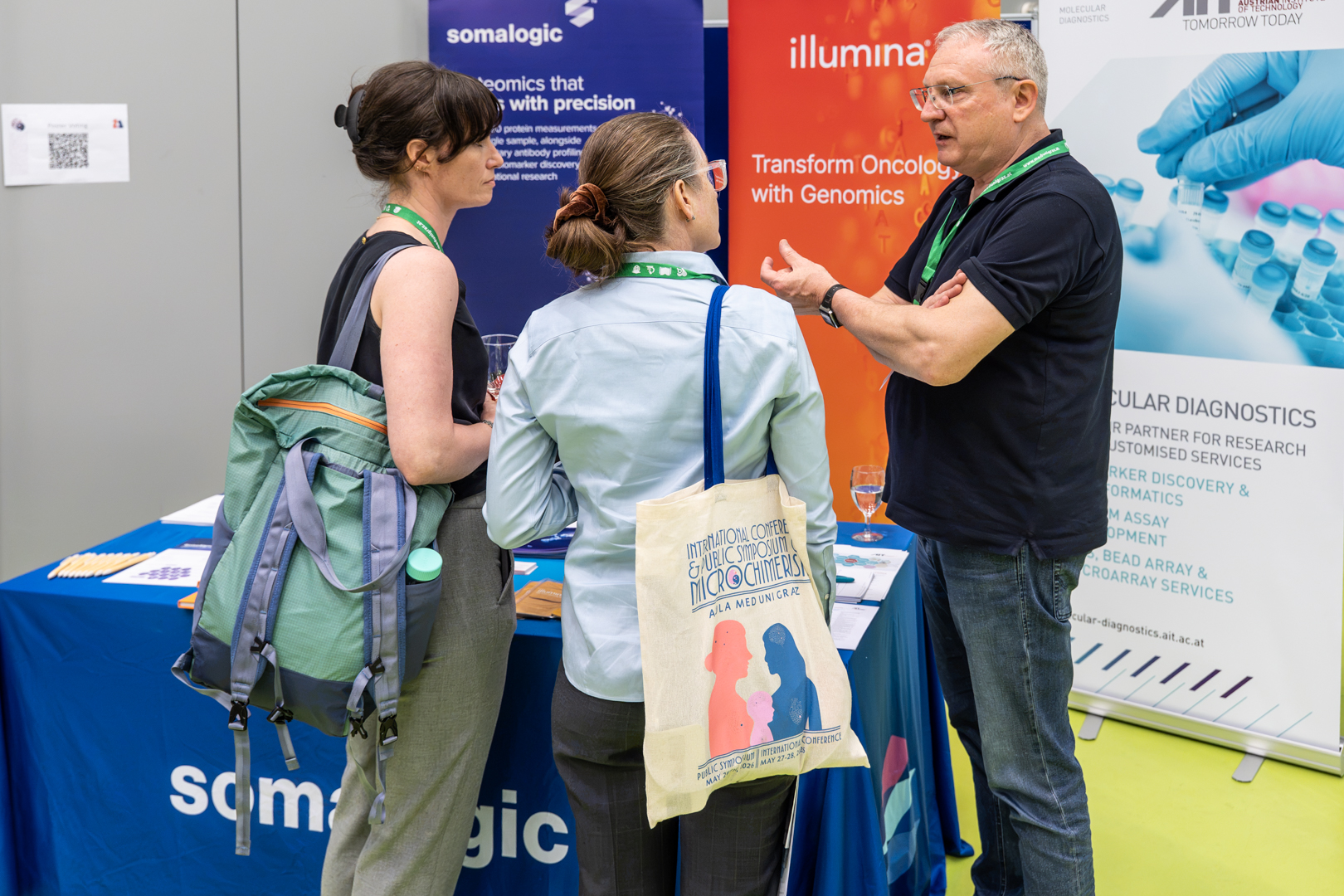
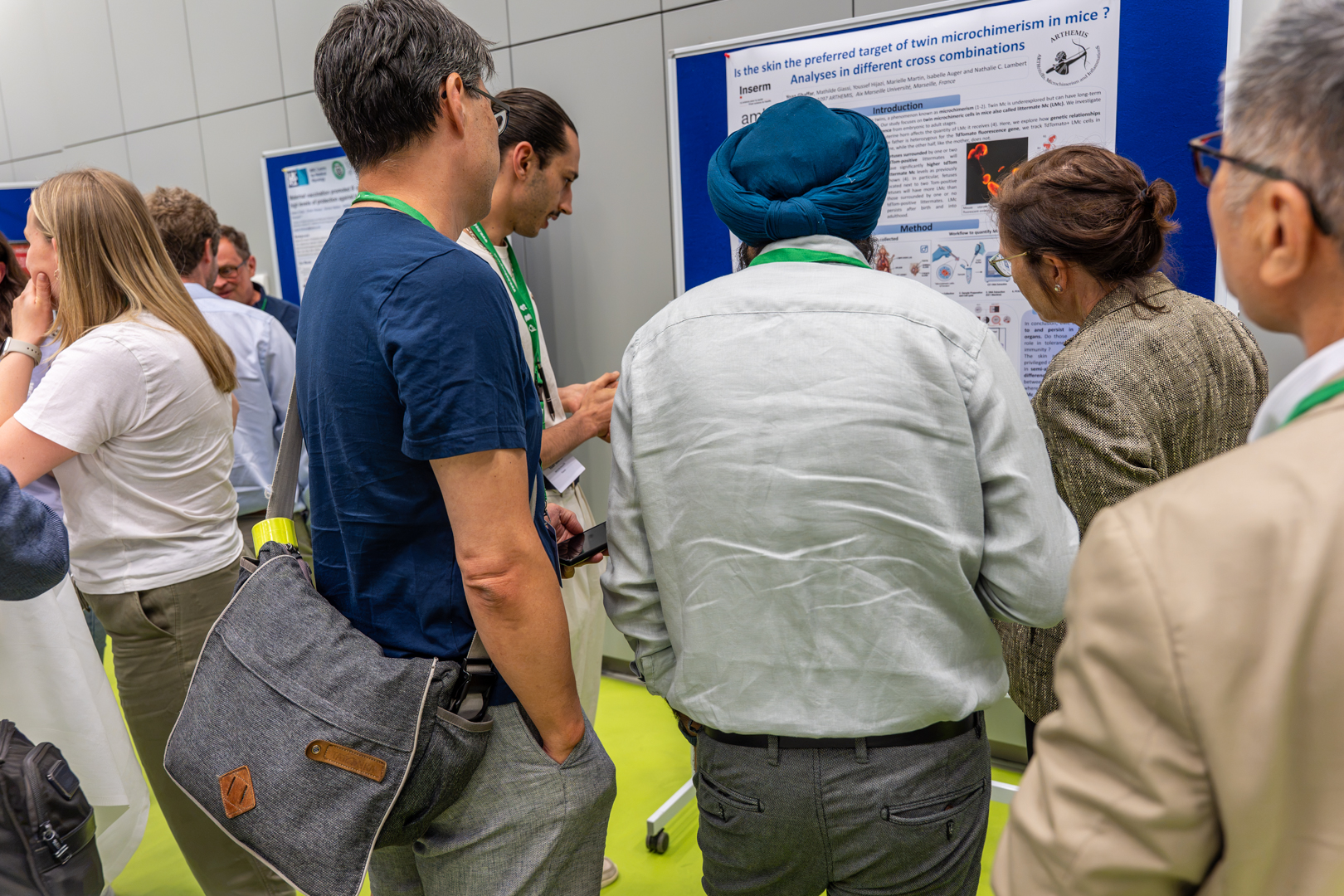
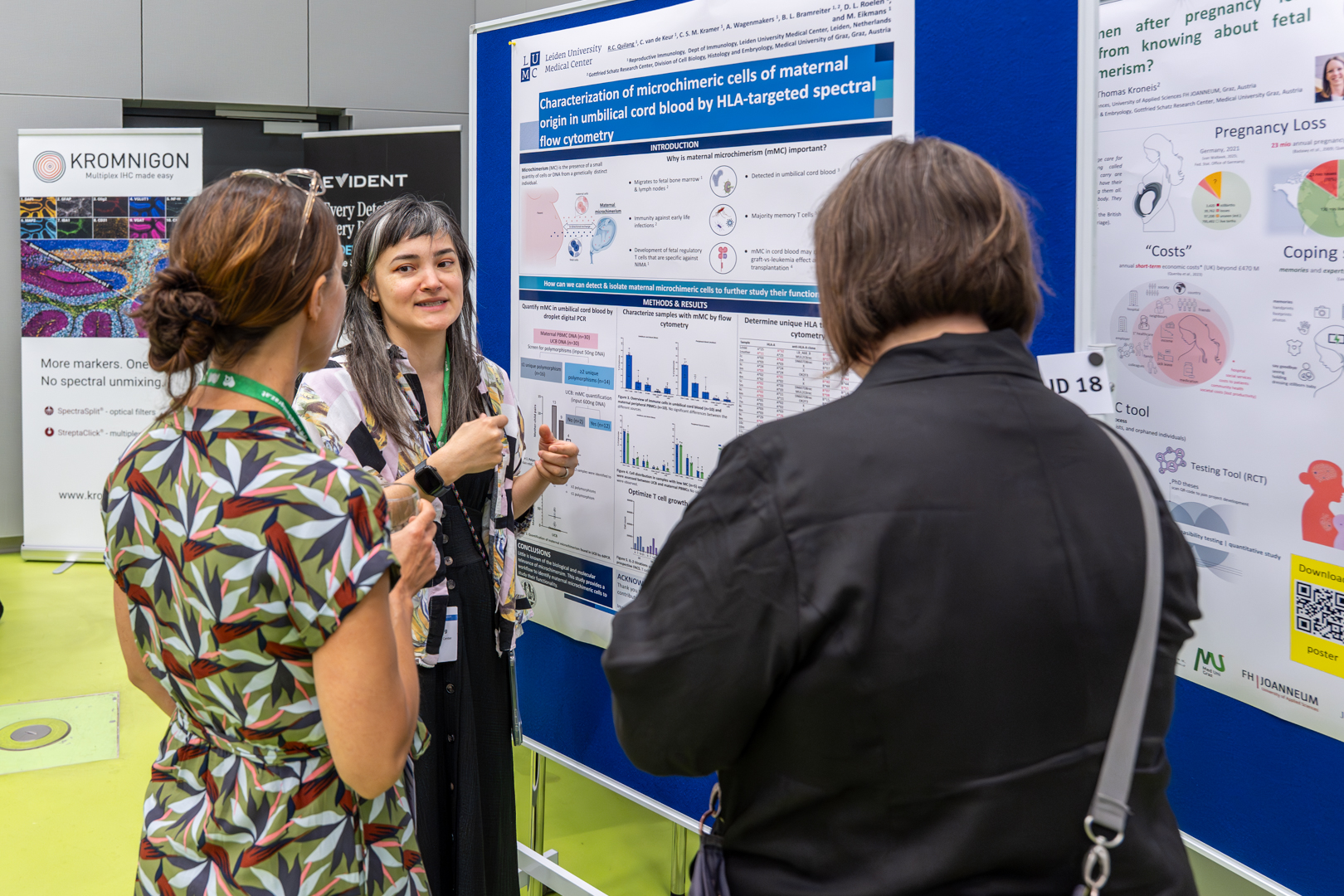
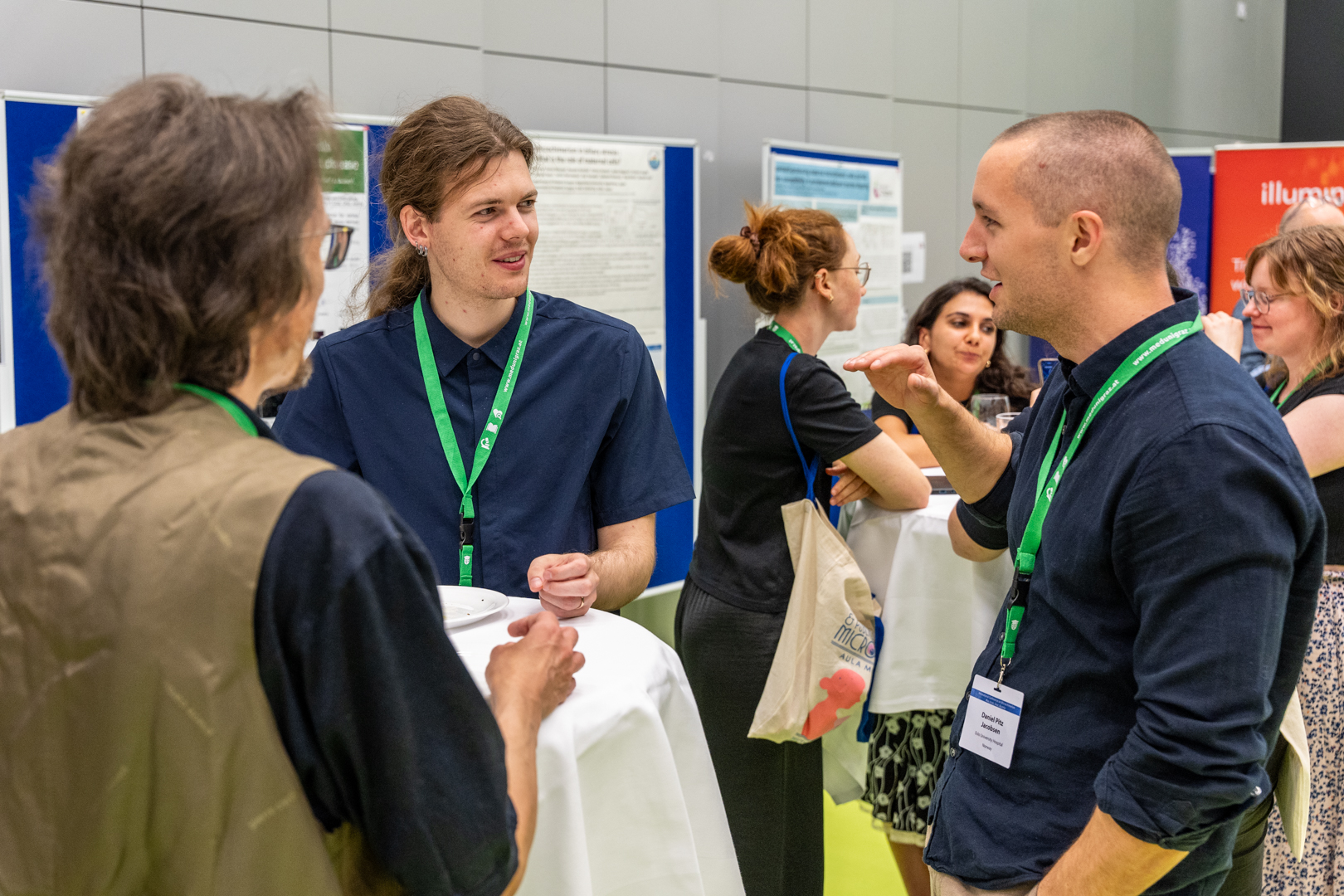
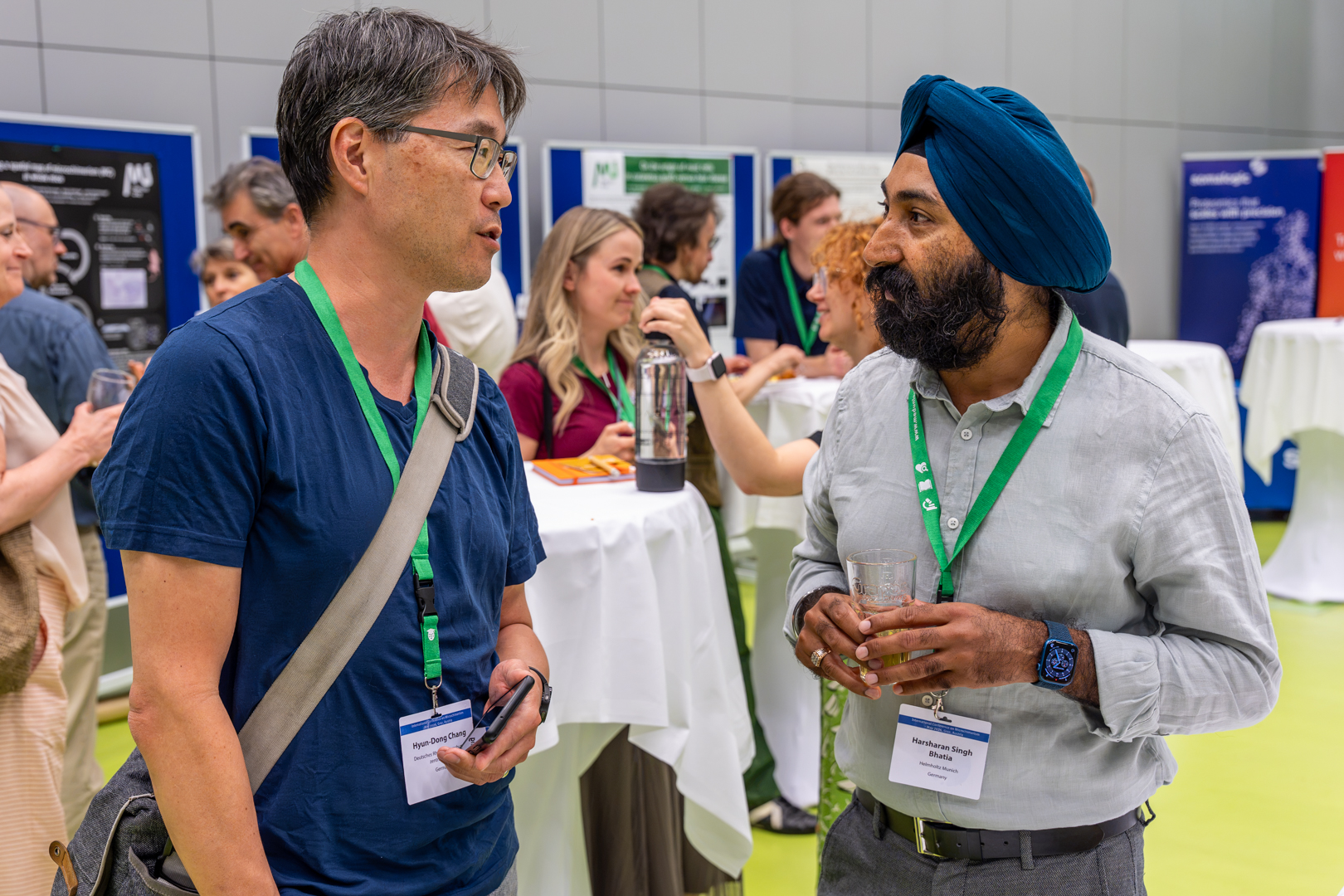
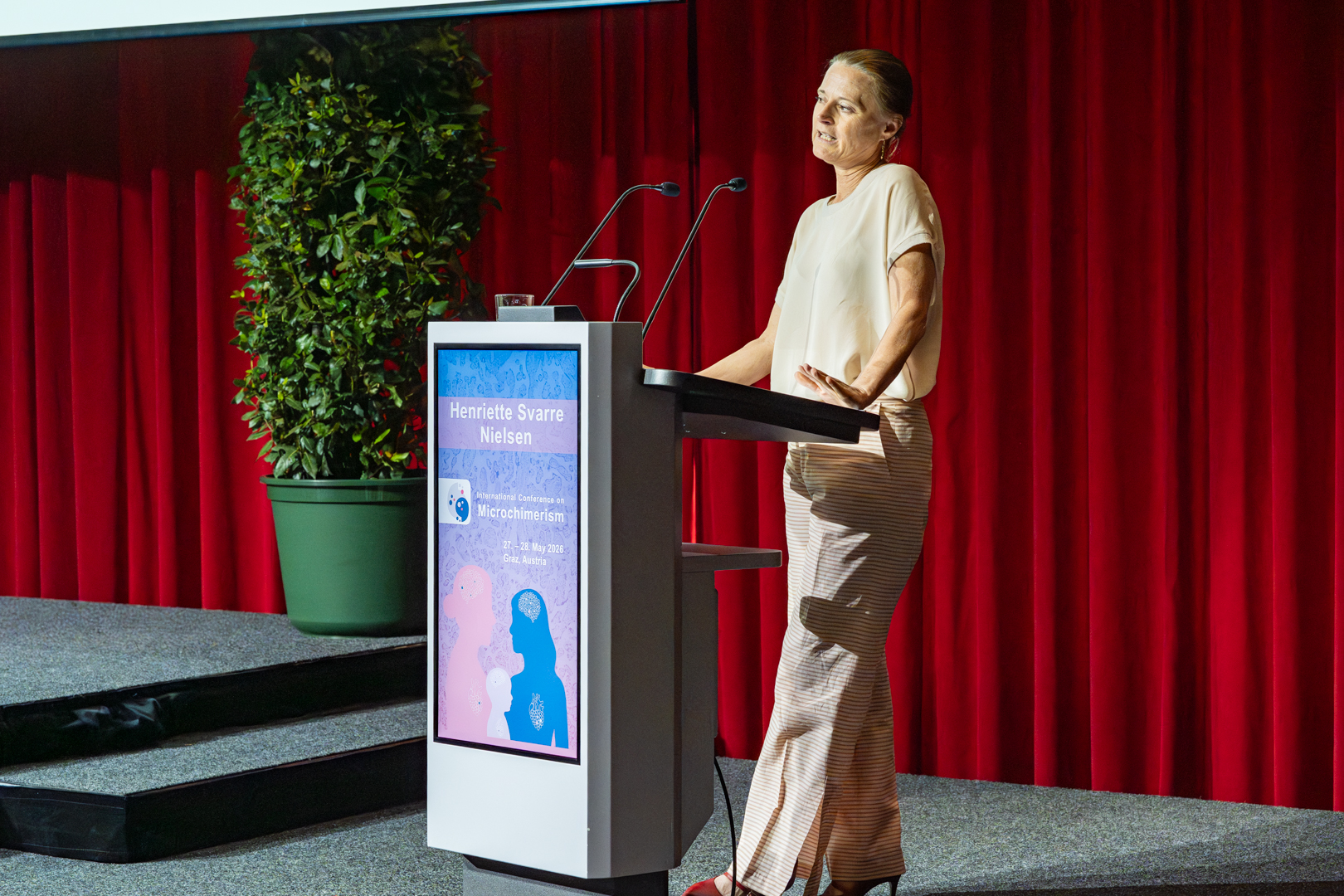
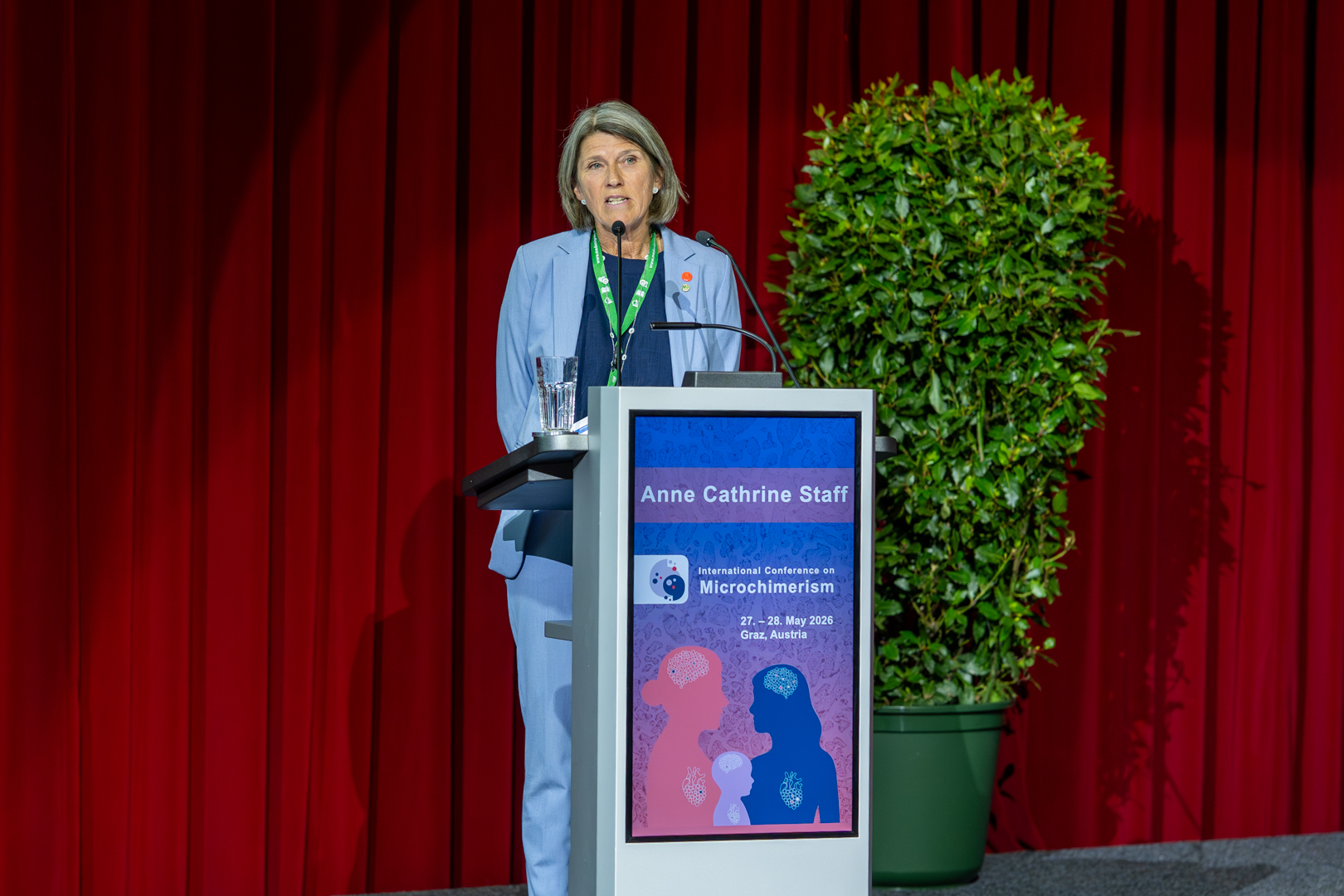
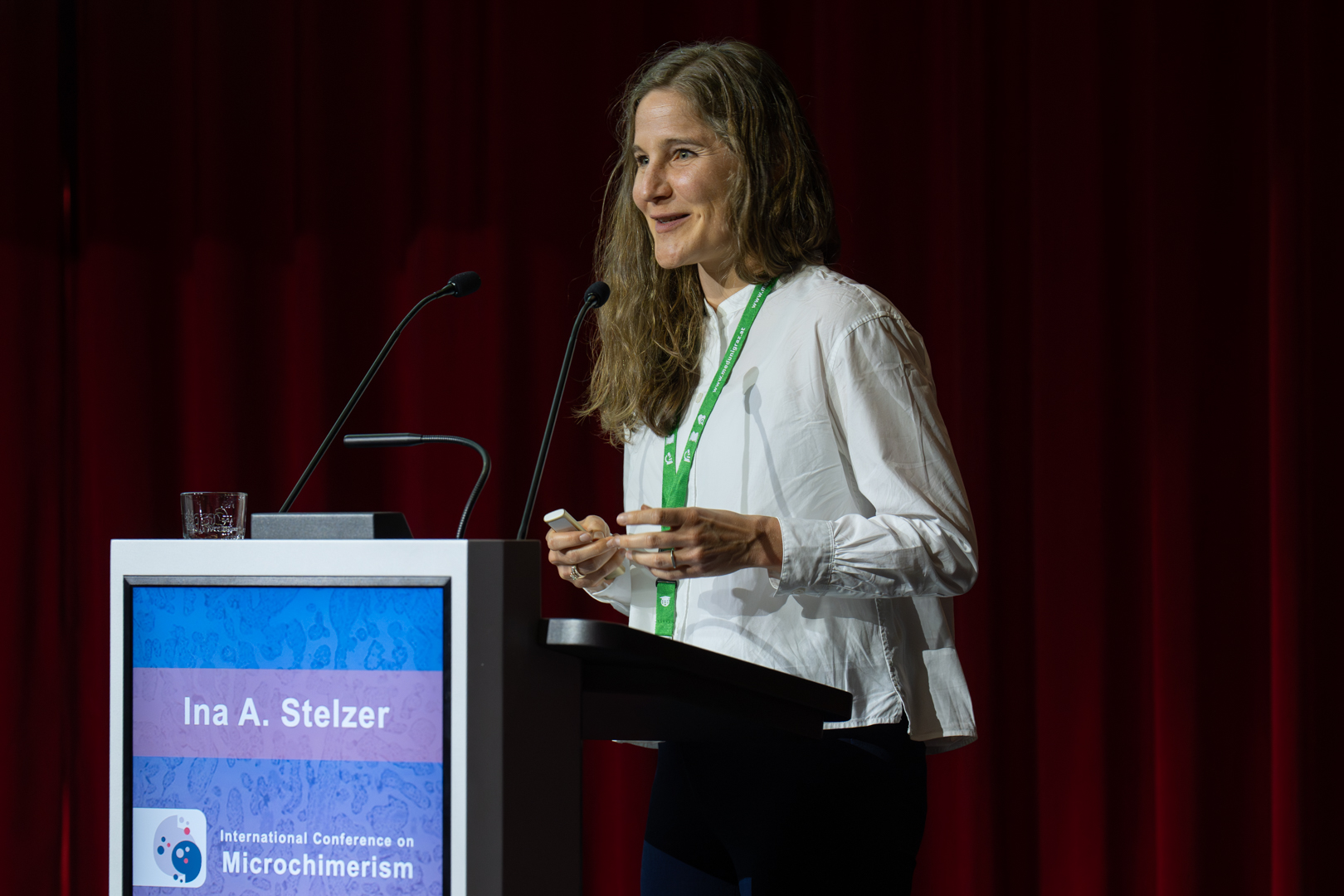
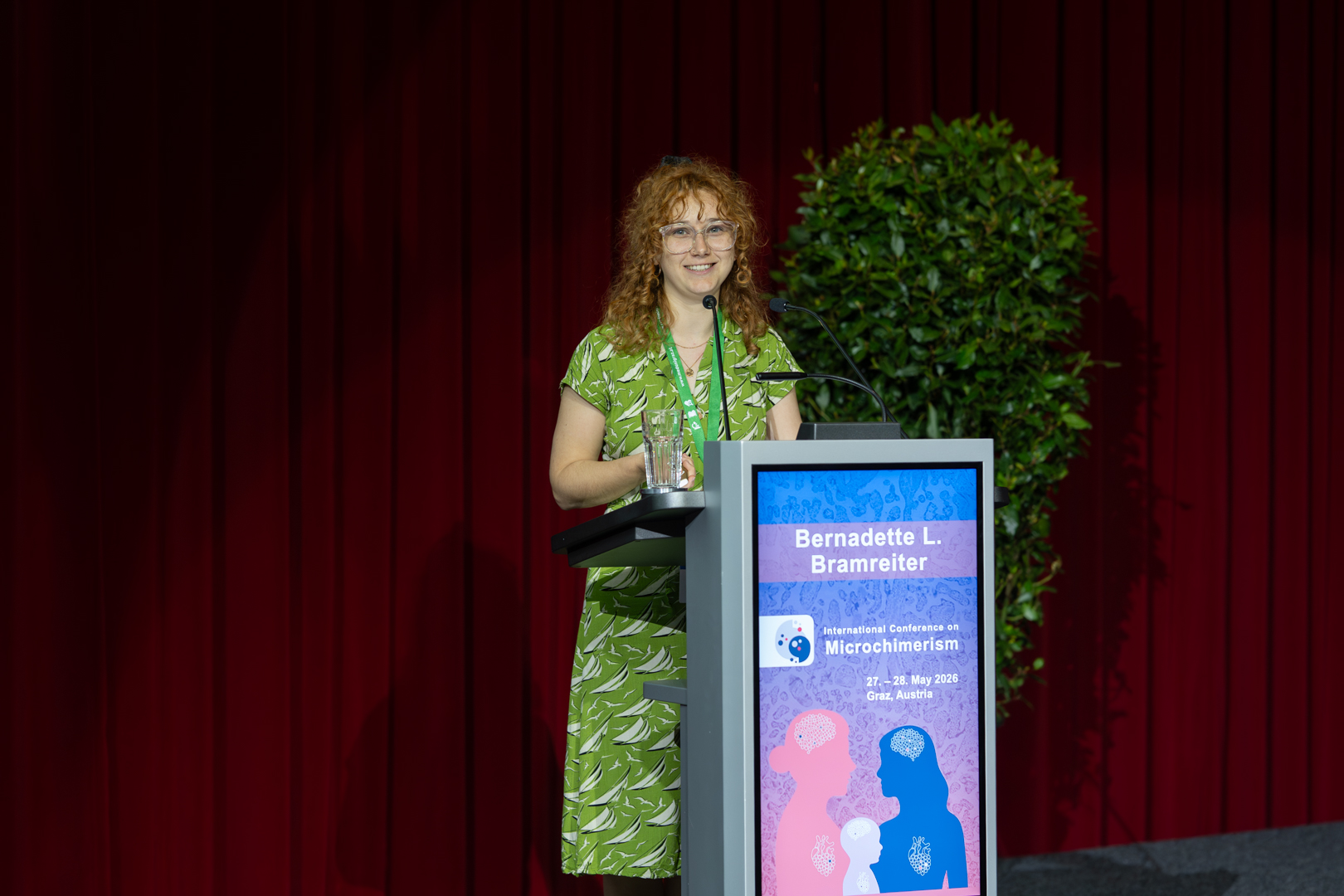
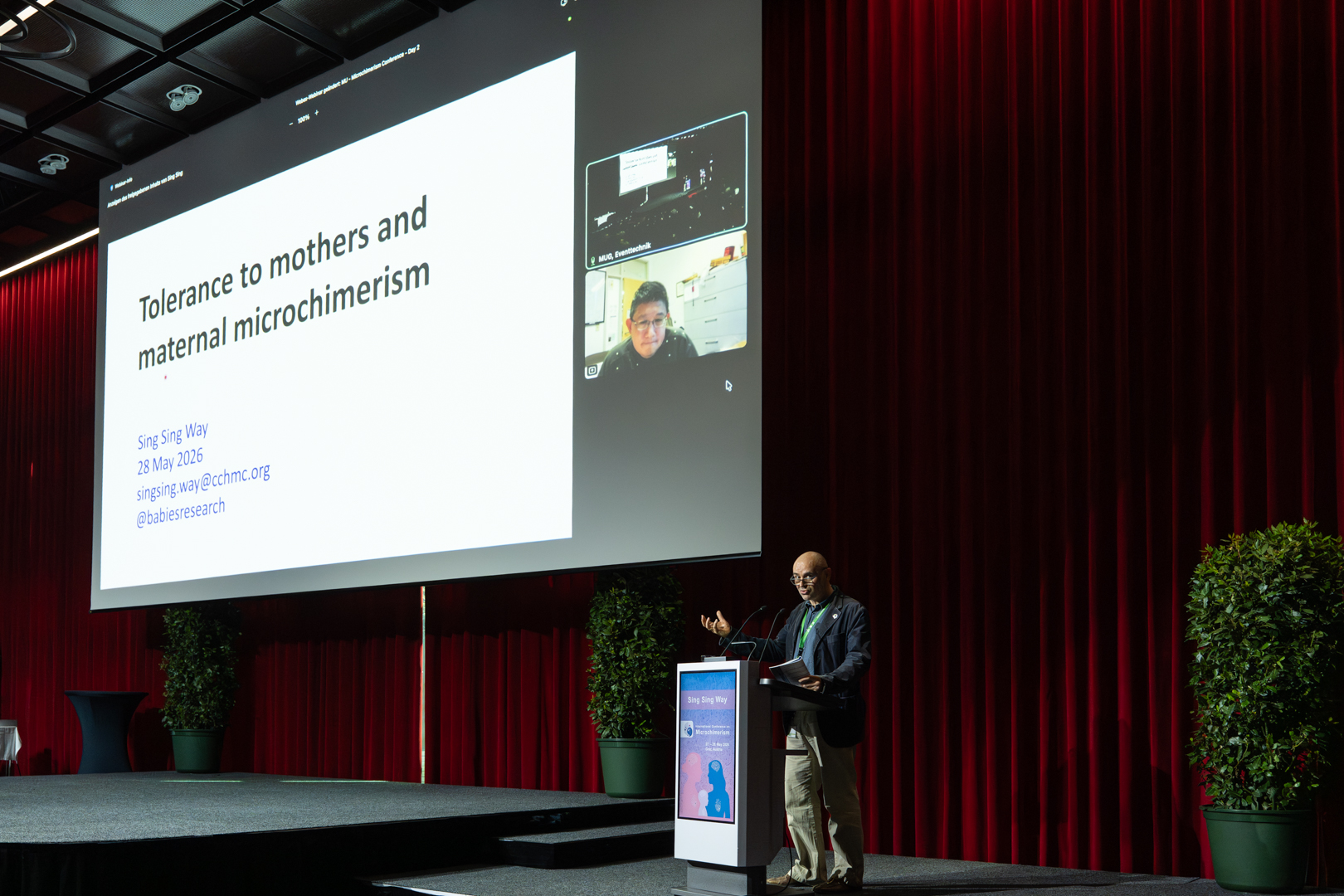
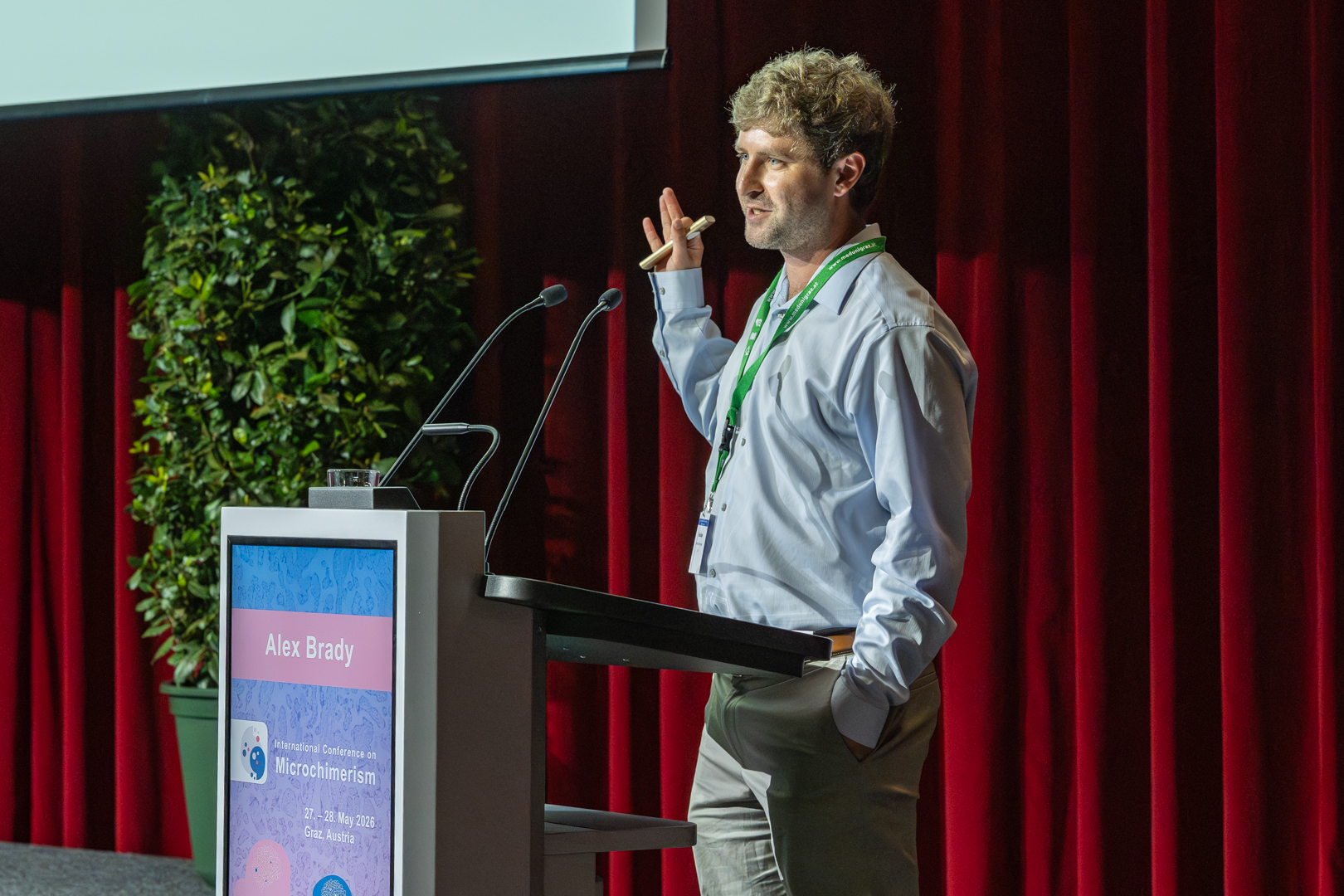
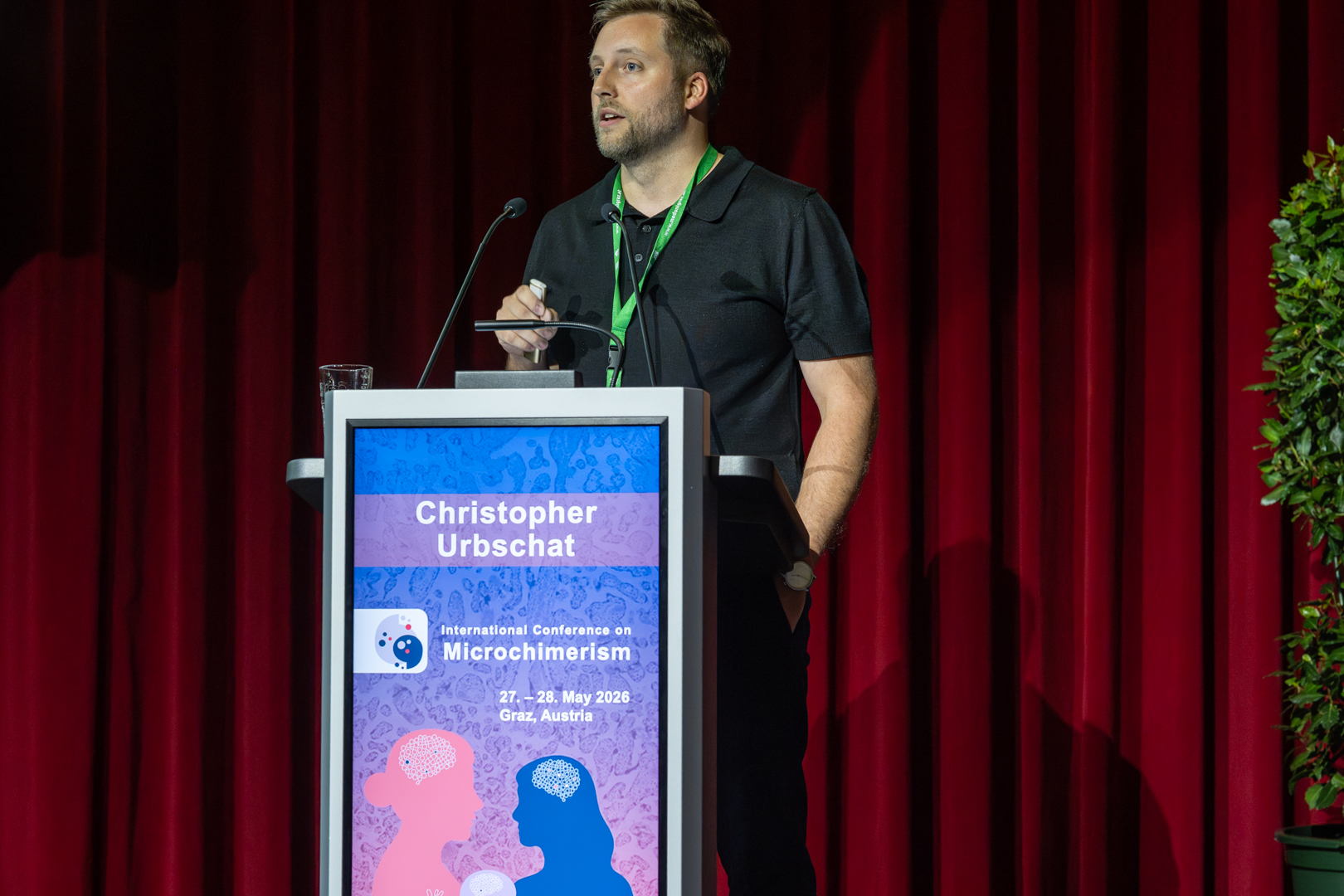
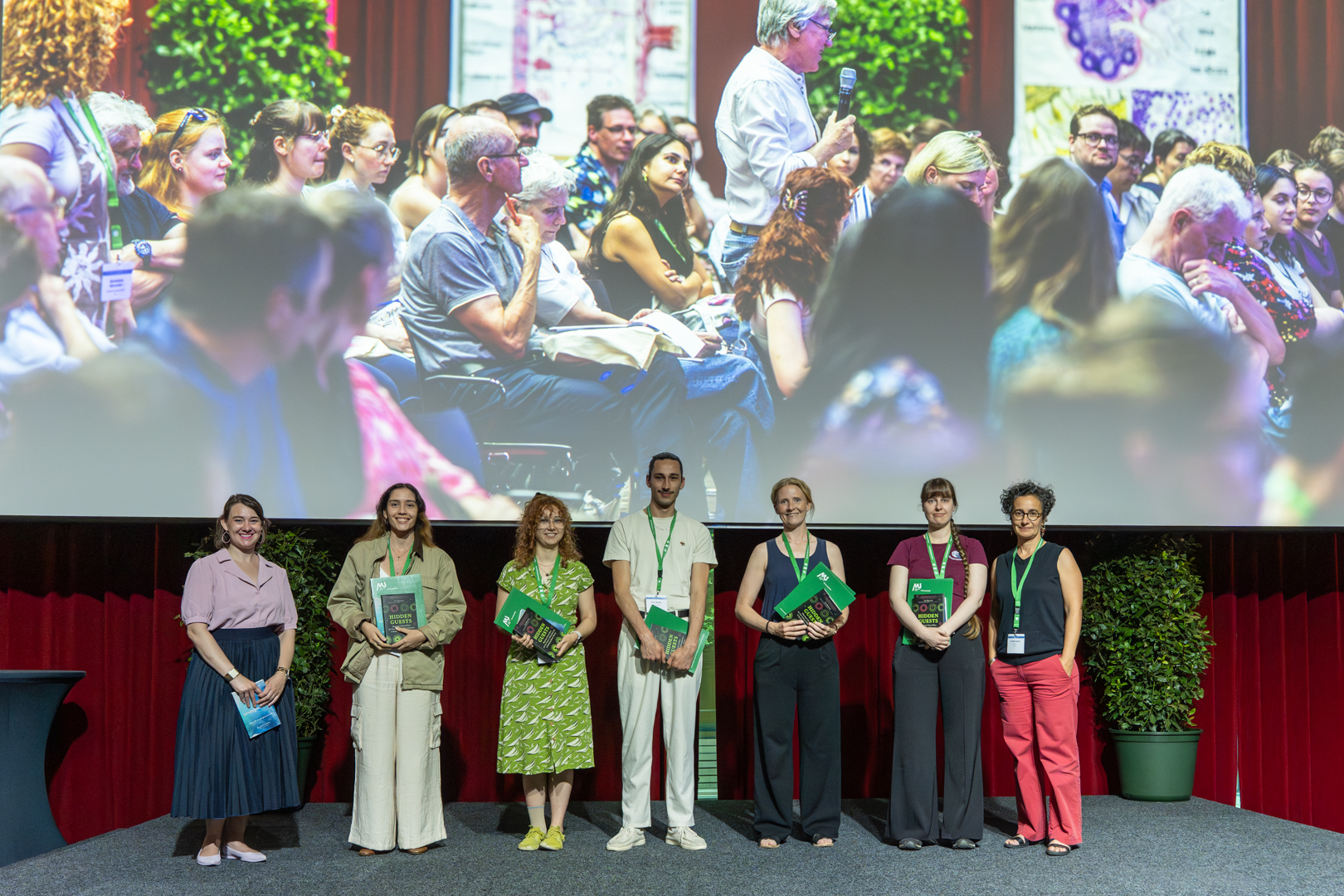
As the conference made clear, microchimerism has decisively shifted from a field defined by detection toward one centered on function—without abandoning the drive to refine its toolbox. Advances in identifying, isolating, and even propagating microchimeric cells renew our understanding of microchimerism and allow to move on to functional work. Mouse models are catching up, enabling hypothesis-driven tests of how these cells shape biological functions of the host including its immunity and development, and even study the capacity of compensating for genetic defects. Much of the discussion remained anchored in immunology and will always be but expansion towards new fields of research is on the horizon. Research on women’s health, a major focus part of horizontally transferred Mc and its consequences, touches upon a still under-represented topic in medical science and the hope is to significantly and constantly improve. In this context, it is important to acknowledge the community’s efforts to reach out to the public – as we did in a lay science symposium on microchimerism preceding the conference.
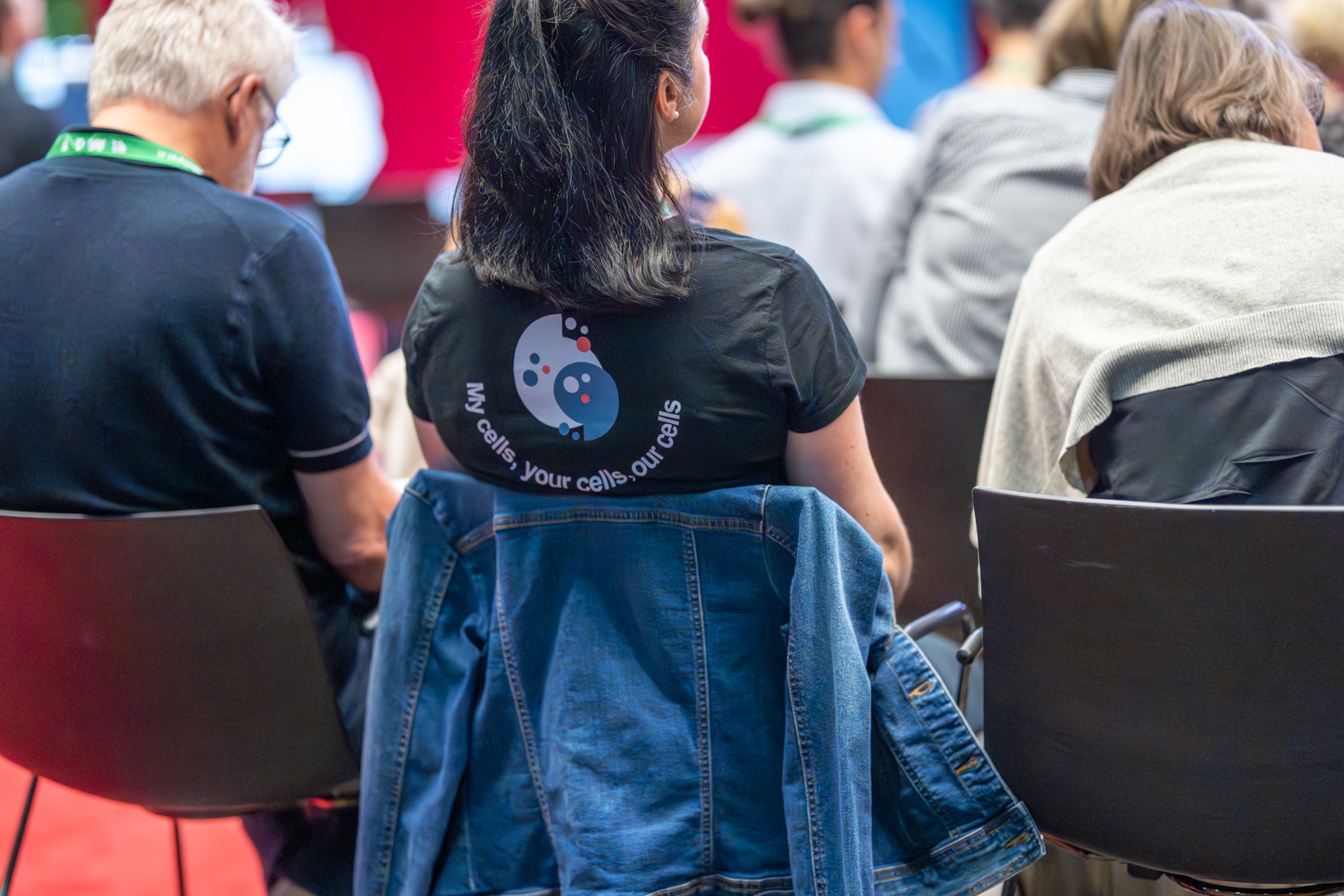
With the broad spectrum of Mc research presented at the conference the community renewed and enriched the fundamental knowledge of Mc. This conference gathered the Mc community and materialised the current knowledge and it became clear that the participants share more than just a common topic. Many feel the need of promoting the study of Mc and its effect on human health and disease. A research they want to see distributed across medical disciplines, basic, translational, and clinical research longing for sustainability in the exchange of scientific and technical knowledge.
The Next Step Forward
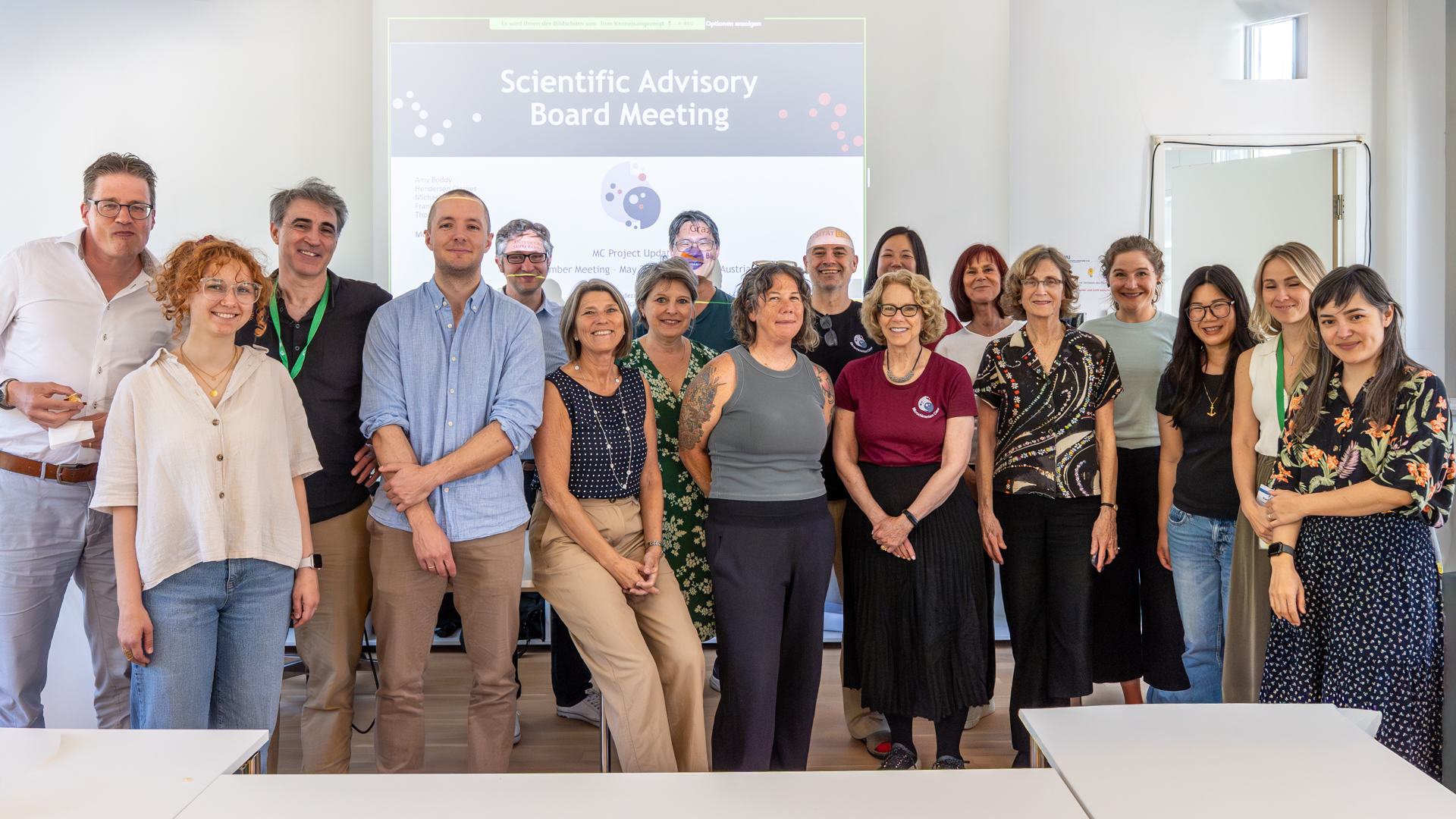
To meet our needs, we hereby announce the foundation of the International Society of Microchimerism. Our mission will be to serve a multidisciplinary community by fostering scientific exchange between Mc research performed in different medical, biological, and technical fields, by scholarship, and the exchange of knowledge to interpret the biology of rare events (www.microchimerism.org).
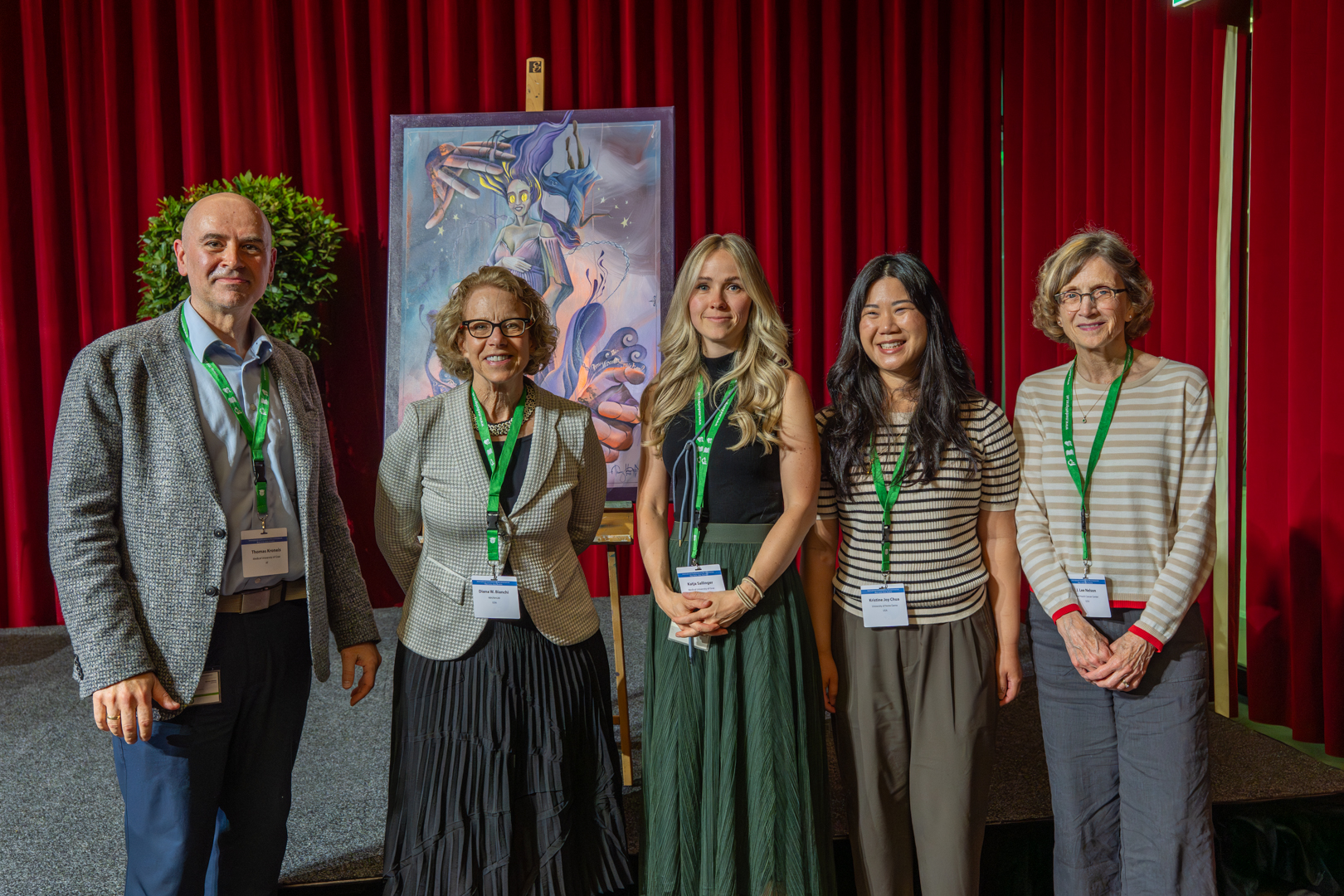
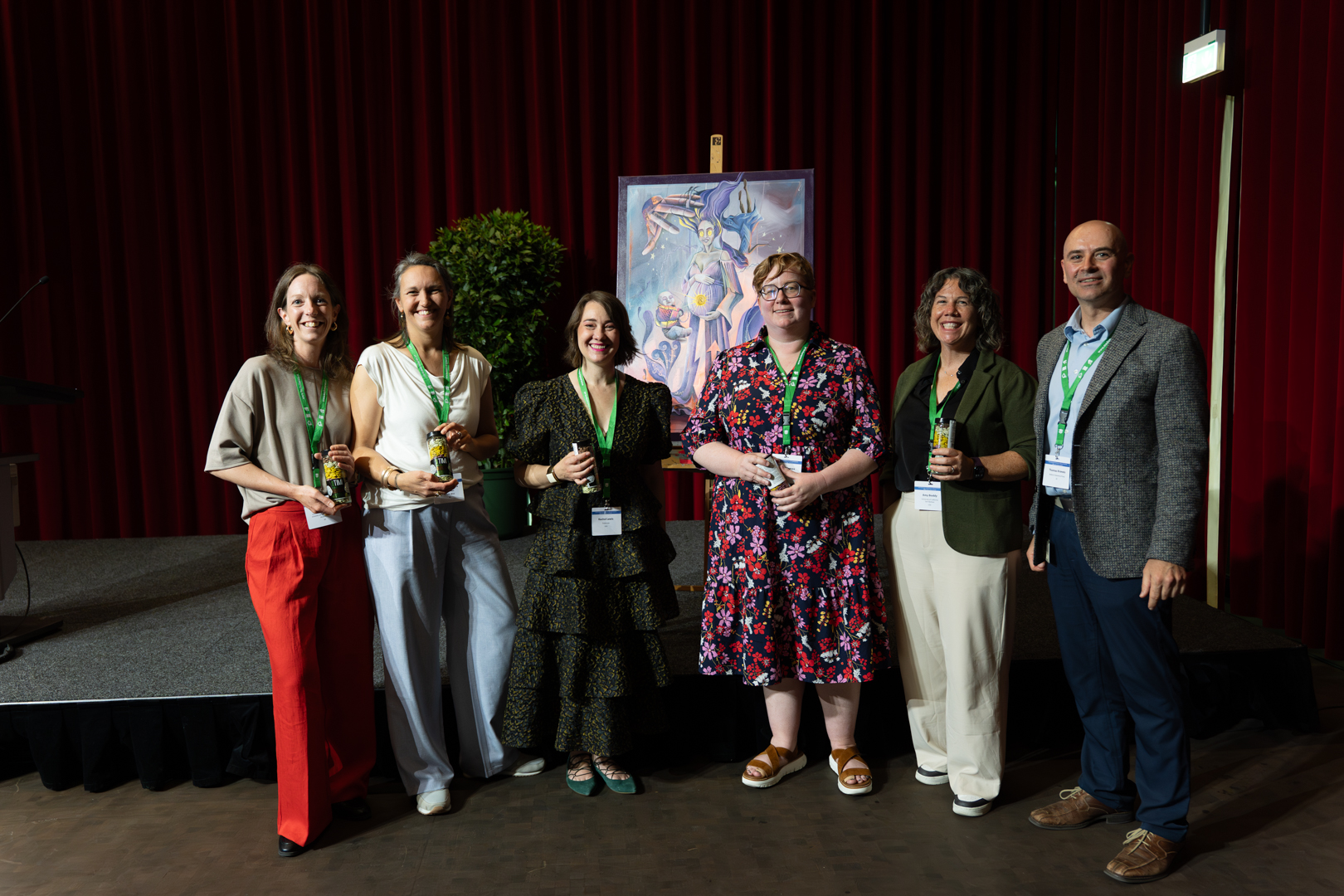
I’d like to thank my team in Graz, especially Katja, Berni and Birgit for the big support they provided before and during the events and I could not have wished for a better management than the one provided by Jacqueline.
Stay tuned for the upcoming exciting activities of the Mc community and take care!
Yours thankfully,
Thomas Kroneis
Conference President