
Microchimerism Across the Lifespan: Concepts, Mechanisms, and Clinical Frontiers
Microchimerism challenges the classical view of biological individuality by demonstrating that
genetically distinct cells and biological material can be exchanged bidirectionally—most
prominently during pregnancy—and persist for decades. From early histopathological observations
to modern molecular and genomic validation, the field has expanded into an interdisciplinary arena
encompassing immunology, reproduction, transplantation biology, and evolutionary science.
Individuals are increasingly recognized as cellular mosaics containing intact cells, cell-free nucleic
acids, and extracellular vesicles derived from kin. As empirical evidence has grown, so too have
conceptual debates. Efforts to refine definitions address questions of persistence, functional
relevance, cellular versus subcellular components, and distinctions between naturally acquired and
artificially introduced forms. Mechanistically, microchimerism might add a spin to the concept of
autoimmunity towards alloimmunity, shaped by HLA relationships, age, and reproductive history.
Associations with autoimmune disease modulation, malignancy risk, and transplantation outcomes
underscore its translational relevance and position microchimerism as an evolutionarily embedded
determinant of immune regulation and human health. This session introduces microchimerism,
introduces its impacts on various other fields of research and is set up to provide a scaffold for
discussion throughout the conference.
Wednesday, 27.05.2026, Day 1
Time: 09:20 – 10:15

Microchimerism: Past, Present and Future
Diana W. Bianchi, MD
NIH/NHGRI, Washington D.C., USA
In 1977 when British musician Peter Frampton wrote a song called “I’m in You (You’re in Me)” he was presumably being metaphorical. He didn’t realize that a century earlier the German pathologist Georg Schmorl visualized the presence of placental-derived multi-nucleated syncytial giant cells in the organs of pregnant women who died of eclampsia. This led to the concept of microchimerism, in which the pregnant or post-partum woman acquires cells from her fetus that may persist in her body for decades. Named for the chimera, a Greek mythical animal with a lion’s head, a goat’s body, and the tail of a serpent, there was a resurgence of interest in the late 20th century. At that time, many scientists showed that bidirectional exchange and retention of intact cells, as well as non-cellular material, occurs between parents and their children, grandparents, and siblings. With the subsequent evolution of technology from histology to increasingly sophisticated techniques of molecular biology, documentation of microchimerism has been validated in both humans and animals with hemochorial placentation. The old concept that we, as individuals, consist of only our own cells is no longer true. We are all mosaics that contain cells, cell-free nucleic acids and extracellular vesicles from multiple family members. What we don’t know, however, is to what extent this non-self material affects evolution, pregnancy success, transplant acceptance, repair of disease, and development of the fetal immune system from a functional perspective. Further, the decades-long retention of fetal cells in maternal organs is being addressed in a pre-conference symposium focused on the ethical considerations of microchimerism and reproductive experiences. Microchimerism has attracted the interest of a multi-disciplinary group of scientists and physicians, and we are grateful that many of the established and early career scientists are with us today to address the critical questions in the field moving forward.

Microchimerism in AutoImmunity and AlloImmunity Over Time
Lee Nelson, MD 1,2
1 Department of Medicine, University of Washington, Seattle, WA, USA
2Translational Science and Therapeutics Fred Hutchinson Cancer Center
Naturally acquired microchimerism (Mc) is creatively pleotropic and protean with beneficial and potentially detrimental consequences for an individual’s health. Mc creates a venue for forward, reverse, and horizontal inheritance, with long-term persistence after bi-directional maternal-fetal exchange, exchange between twins, and among littermates in dogs and mice. HLA molecules function in multiple key roles to maintain an individual’s health, discerning harmful infections, preventing harmful autoimmunity, and maintaining healthy alloimmunity. While mechanisms by which HLA molecules predispose or protect from an autoimmune disease are not fully understood, it is clear that age matters. The same HLA molecule can even predispose to different diseases at different lifespan times. Mc is of special interest because it is most often only HLA-haploidentical with the hosting individual. Mc is also time-dependent with potentially different impact as an individual and the Mc age (and whether Mc was acquired in utero or in adult life). Women acquire Mc during pregnancy and a woman’s reproductive history clearly impacts numerous aspects of subsequent health, including autoimmunity, cardiovascular disease, and risk of some malignancies. An example of the time-dependence of parity is reduction of rheumatoid arthritis risk with protection diminishing as time elapses from a birth, vanishing by ten years. Time elapsed from a birth is also a factor in protection against some malignancies such as breast cancer. At present, Mc in healthy alloimmunity against malignancies is relatively underexplored, but clear benefit of donor-recipient HLA-disparity is well established in the setting of hematopoietic cell transplantation (HCT). Further intriguing is decreased leukemia relapse rate after HCT when cord blood is the donor product, implicating HLA-mismatched maternal Mc in cord blood. Looking to the future, Mc and HLA-relationships are therefore of particular interest to understand the interface of autoimmunity and healthy alloimmunity and for development of novel preventative and therapeutic interventions.
Acknowledgements
The author’s work was supported by NIH grants HL-117737, AI-45659, the Washington Women’s Foundation and the Wong Foundation.
Competing interests
JLN is a co-founder of Chimerocyte, Inc. that develops highly sensitive chimerism analysis technologies. Chimerocyte, Inc. had no role in funding this research.
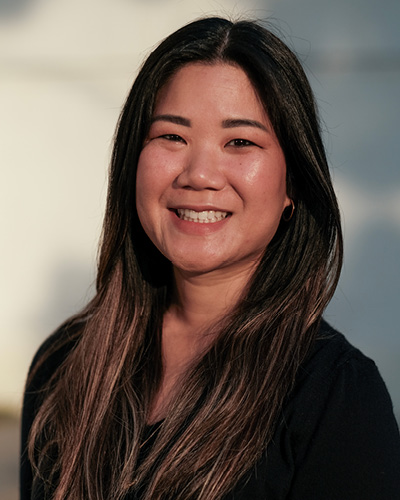
What is Microchimerism? Defining and refining its characteristics
Kristine Joy Chua
Department of Anthropology, University of Notre Dame, Notre Dame, 46556 USA
Rachel C. Quilang
Department of Immunology, Leiden University Medical Center, Leiden, 2333 ZA Netherlands
Katja Sallinger
Department of Cell Biology, Histology & Embryology, Gottfried Schatz Research Center, Medical University of Graz, Graz, 8010 Austria
Melissa A. Wilson
National Human Genome Research Institute, National Institutes of Health Bethesda, Bethesda, 20892 USA
Thomas Kroneis
Department of Cell Biology, Histology & Embryology, Gottfried Schatz Research Center, Medical University of Graz, Graz, 8010 Austria
Amy M. Boddy
Department of Anthropology, University of California Santa Barbara, Santa Barbara, 93106 USA
Bidirectional cell exchange between mother-fetal dyads during pregnancy may result in a small amount of biological material, derived from another genetically distinct germline, that can persist in the host body for decades. Although this biological phenomenon has been documented for over half a century, its conceptual boundaries remain difficult to define. Many researchers refer to this as microchimerism. Yet, as this field expands, so too do ongoing disagreements and inconsistencies over what is and is not considered microchimerism. To address these existing debates, the Microchimerism, Human Health and Evolution Project launched a campaign to solicit perspectives from a range of experts working in microchimerism research, with the goal of working toward a shared consensus of how microchimerism is defined and which characteristics are required. One of the primary areas where clear disagreements arise stems from whether subcellular components, particularly extracellular vesicles and cross-decoration, should be included. Additional properties that have been cited are source of origin, potential for functionality, persistence versus transient, naturally versus artificially occurring, and amount of material. In this talk, we put forth a definition that accounts for these areas of debate, as well as edge cases that challenge rigid definitional boundaries. Our goal is not to adjudicate which perspectives are correct, but to work as a community to establish clear assumptions and decisions as to the characteristics and properties of microchimerism. Ultimately, we aim to work toward a standardized definition of microchimerism and provide greater clarity in the language used to discuss it. As microchimerism research continues flourishes, we hope that a clearer definition will help alleviate confusion and facilitate advancements in the field.